
Australia Moves to Repatriate Citizens From Hantavirus-Stricken Cruise Ship Near Canary Islands
Australian authorities are coordinating with international health agencies as the MV Hondius approaches Tenerife after a deadly hantavirus outbreak killed three passengers and triggered a multinational emergency response.
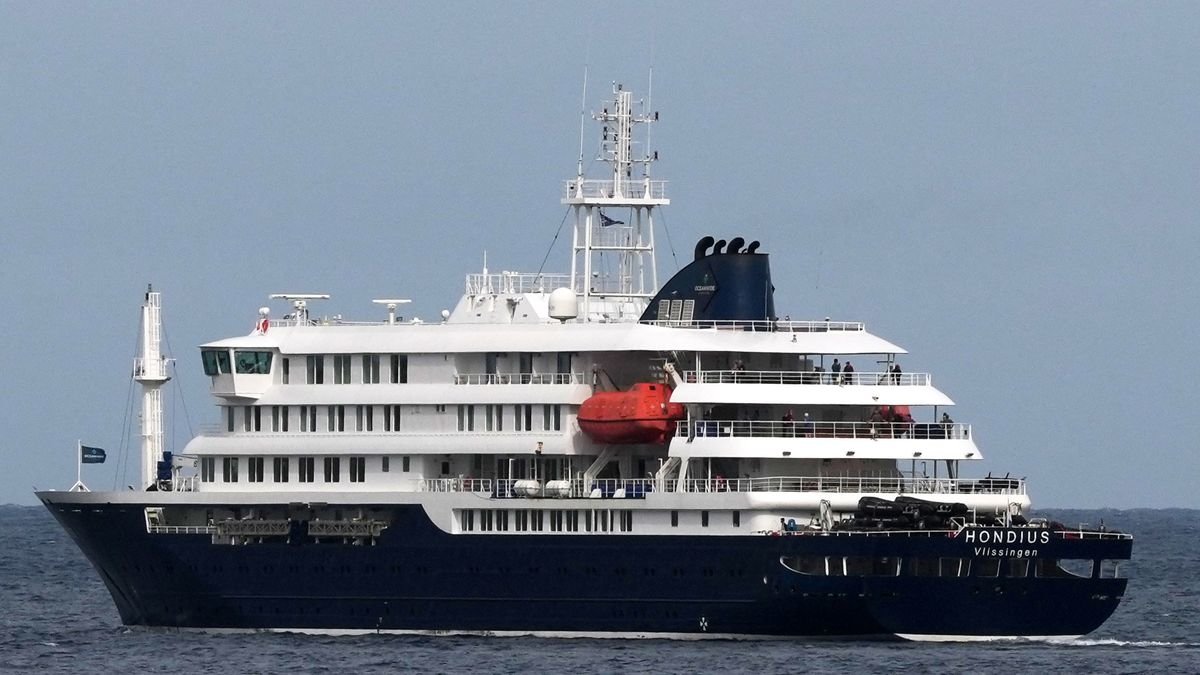
International health authorities are managing a complex cross-border evacuation operation after the Dutch-flagged expedition cruise ship MV Hondius, carrying passengers affected by a hantavirus outbreak, headed toward Spain’s Canary Islands for controlled repatriation procedures.
Australia is among the governments preparing to retrieve citizens from the vessel.
The crisis is fundamentally driven by an international public health response system attempting to contain a rare and potentially lethal infectious disease outbreak involving passengers from more than twenty countries.
Without that coordinated institutional response, the situation cannot be understood.
What is confirmed is that at least three passengers linked to the outbreak have died and multiple infections or suspected infections have been identified aboard the ship.
The vessel, operated by Oceanwide Expeditions, had been traveling from Antarctica toward Europe when authorities began investigating a cluster of severe respiratory illnesses.
Health officials identified the virus involved as the Andes strain of hantavirus, the only known hantavirus strain capable of limited human-to-human transmission.
That detail sharply escalated concern among global health agencies because most hantavirus infections spread through exposure to rodent urine, droppings or saliva rather than between people.
The ship carried roughly one hundred fifty passengers and crew members from numerous countries, including four Australians.
Australian officials confirmed they were coordinating with Spanish authorities and international health agencies regarding repatriation and monitoring procedures.
At least one Australian passenger had reportedly already returned home earlier in the voyage before the full scale of the outbreak became clear.
The vessel spent days anchored off Cape Verde while medical evacuations took place.
Three patients, including a British crew member serving as the ship’s doctor, were flown to the Netherlands for specialist treatment.
The ship then resumed its voyage toward Tenerife under strict isolation measures, with passengers largely confined to cabins.
Spain ultimately agreed to receive the vessel near the Canary Islands after days of political tension and local opposition.
Regional authorities initially resisted allowing the ship to dock because of fears about tourism impacts and public health risks.
The final plan involved keeping the ship offshore while health workers boarded in protective equipment to conduct assessments and evacuations.
Several governments have now activated emergency repatriation plans.
The United States prepared quarantine and monitoring arrangements for American passengers through federal public health agencies and military-linked facilities.
Britain, Ireland and other countries also developed isolation protocols for returning citizens.
Australia has not publicly detailed the full structure of its quarantine approach, but authorities indicated passengers would face health monitoring and potential isolation requirements after return.
The outbreak has exposed the logistical and legal complexity of infectious disease management aboard international cruise ships.
Unlike standard land-based outbreaks, cruise vessels create overlapping jurisdictional problems involving flag states, port authorities, airlines, national health agencies and international organizations.
The timeline of the outbreak also complicated containment efforts.
Some passengers reportedly left the vessel during earlier stops before hantavirus was confirmed, dispersing across multiple countries.
Health authorities have since expanded contact tracing efforts to identify potentially exposed travelers and passengers who shared flights or accommodations with infected individuals.
Medical experts emphasize that the public risk remains relatively low despite the seriousness of the outbreak.
Human-to-human transmission of Andes hantavirus is rare and generally requires prolonged close contact.
The virus is not considered comparable to airborne respiratory pandemics such as COVID-19.
Even so, the mortality risk associated with severe hantavirus infection is substantial.
The disease can rapidly progress into hantavirus pulmonary syndrome, a condition that causes fluid accumulation in the lungs and acute respiratory failure.
There is no approved antiviral cure or vaccine specifically targeting the Andes strain, leaving treatment focused primarily on intensive supportive care.
Investigators are still examining how transmission occurred aboard the ship.
One major question is whether infections resulted primarily from environmental exposure during shore excursions in South America or whether limited person-to-person spread later developed among passengers and crew in close quarters.
The outbreak’s origin may trace back to earlier stops connected to remote South Atlantic territories and Patagonia-region travel routes where Andes hantavirus circulates naturally among rodent populations.
Health authorities have not publicly confirmed a single exposure point.
The incident has also reignited scrutiny of expedition cruises operating in isolated regions with limited medical infrastructure.
Unlike mainstream cruise tourism, polar and remote-environment voyages often involve extended periods far from advanced hospitals or emergency evacuation systems.
The operational consequences for Oceanwide Expeditions are already severe.
The company faces intensified health scrutiny, possible legal exposure and reputational damage linked to onboard containment procedures and passenger communication during the outbreak.
For governments, the episode has become a stress test of post-pandemic international health coordination.
Public health agencies are attempting to balance rapid containment, diplomatic cooperation and public reassurance while avoiding the political panic and border disruptions associated with earlier global outbreaks.
Australia’s role in the operation remains comparatively small in numerical terms, but the case still carries domestic significance because it highlights how quickly infectious disease events abroad can create direct logistical and health-management challenges for national authorities.
The ship is expected to remain under tightly controlled supervision during the evacuation process near Tenerife, after which passengers will be transferred through coordinated international repatriation channels and subjected to ongoing medical monitoring in their home countries.
Australia is among the governments preparing to retrieve citizens from the vessel.
The crisis is fundamentally driven by an international public health response system attempting to contain a rare and potentially lethal infectious disease outbreak involving passengers from more than twenty countries.
Without that coordinated institutional response, the situation cannot be understood.
What is confirmed is that at least three passengers linked to the outbreak have died and multiple infections or suspected infections have been identified aboard the ship.
The vessel, operated by Oceanwide Expeditions, had been traveling from Antarctica toward Europe when authorities began investigating a cluster of severe respiratory illnesses.
Health officials identified the virus involved as the Andes strain of hantavirus, the only known hantavirus strain capable of limited human-to-human transmission.
That detail sharply escalated concern among global health agencies because most hantavirus infections spread through exposure to rodent urine, droppings or saliva rather than between people.
The ship carried roughly one hundred fifty passengers and crew members from numerous countries, including four Australians.
Australian officials confirmed they were coordinating with Spanish authorities and international health agencies regarding repatriation and monitoring procedures.
At least one Australian passenger had reportedly already returned home earlier in the voyage before the full scale of the outbreak became clear.
The vessel spent days anchored off Cape Verde while medical evacuations took place.
Three patients, including a British crew member serving as the ship’s doctor, were flown to the Netherlands for specialist treatment.
The ship then resumed its voyage toward Tenerife under strict isolation measures, with passengers largely confined to cabins.
Spain ultimately agreed to receive the vessel near the Canary Islands after days of political tension and local opposition.
Regional authorities initially resisted allowing the ship to dock because of fears about tourism impacts and public health risks.
The final plan involved keeping the ship offshore while health workers boarded in protective equipment to conduct assessments and evacuations.
Several governments have now activated emergency repatriation plans.
The United States prepared quarantine and monitoring arrangements for American passengers through federal public health agencies and military-linked facilities.
Britain, Ireland and other countries also developed isolation protocols for returning citizens.
Australia has not publicly detailed the full structure of its quarantine approach, but authorities indicated passengers would face health monitoring and potential isolation requirements after return.
The outbreak has exposed the logistical and legal complexity of infectious disease management aboard international cruise ships.
Unlike standard land-based outbreaks, cruise vessels create overlapping jurisdictional problems involving flag states, port authorities, airlines, national health agencies and international organizations.
The timeline of the outbreak also complicated containment efforts.
Some passengers reportedly left the vessel during earlier stops before hantavirus was confirmed, dispersing across multiple countries.
Health authorities have since expanded contact tracing efforts to identify potentially exposed travelers and passengers who shared flights or accommodations with infected individuals.
Medical experts emphasize that the public risk remains relatively low despite the seriousness of the outbreak.
Human-to-human transmission of Andes hantavirus is rare and generally requires prolonged close contact.
The virus is not considered comparable to airborne respiratory pandemics such as COVID-19.
Even so, the mortality risk associated with severe hantavirus infection is substantial.
The disease can rapidly progress into hantavirus pulmonary syndrome, a condition that causes fluid accumulation in the lungs and acute respiratory failure.
There is no approved antiviral cure or vaccine specifically targeting the Andes strain, leaving treatment focused primarily on intensive supportive care.
Investigators are still examining how transmission occurred aboard the ship.
One major question is whether infections resulted primarily from environmental exposure during shore excursions in South America or whether limited person-to-person spread later developed among passengers and crew in close quarters.
The outbreak’s origin may trace back to earlier stops connected to remote South Atlantic territories and Patagonia-region travel routes where Andes hantavirus circulates naturally among rodent populations.
Health authorities have not publicly confirmed a single exposure point.
The incident has also reignited scrutiny of expedition cruises operating in isolated regions with limited medical infrastructure.
Unlike mainstream cruise tourism, polar and remote-environment voyages often involve extended periods far from advanced hospitals or emergency evacuation systems.
The operational consequences for Oceanwide Expeditions are already severe.
The company faces intensified health scrutiny, possible legal exposure and reputational damage linked to onboard containment procedures and passenger communication during the outbreak.
For governments, the episode has become a stress test of post-pandemic international health coordination.
Public health agencies are attempting to balance rapid containment, diplomatic cooperation and public reassurance while avoiding the political panic and border disruptions associated with earlier global outbreaks.
Australia’s role in the operation remains comparatively small in numerical terms, but the case still carries domestic significance because it highlights how quickly infectious disease events abroad can create direct logistical and health-management challenges for national authorities.
The ship is expected to remain under tightly controlled supervision during the evacuation process near Tenerife, after which passengers will be transferred through coordinated international repatriation channels and subjected to ongoing medical monitoring in their home countries.
AI Disclaimer: An advanced artificial intelligence (AI) system generated the content of this page on its own. This innovative technology conducts extensive research from a variety of reliable sources, performs rigorous fact-checking and verification, cleans up and balances biased or manipulated content, and presents a minimal factual summary that is just enough yet essential for you to function as an informed and educated citizen. Please keep in mind, however, that this system is an evolving technology, and as a result, the article may contain accidental inaccuracies or errors. We urge you to help us improve our site by reporting any inaccuracies you find using the "Contact Us" link at the bottom of this page. Your helpful feedback helps us improve our system and deliver more precise content. When you find an article of interest here, please look for the full and extensive coverage of this topic in traditional news sources, as they are written by professional journalists that we try to support, not replace. We appreciate your understanding and assistance.