Chinese Clean-Tech Firms Expand Influence at Australia’s Smart Energy 2026 Expo
Battery, solar and inverter manufacturers from China dominated major sections of Australia’s flagship renewable energy event as Canberra balances energy transition goals with strategic supply-chain concerns.
China’s manufacturing dominance in renewable energy technology was the central force shaping Smart Energy 2026 in Sydney, where dozens of Chinese companies used Australia’s largest clean-energy exhibition to deepen their position in one of the world’s fastest-growing rooftop solar and battery markets.
The two-day event at the International Convention Centre Sydney brought together more than twelve thousand delegates, installers, policymakers, investors and manufacturers focused on Australia’s accelerating energy transition.
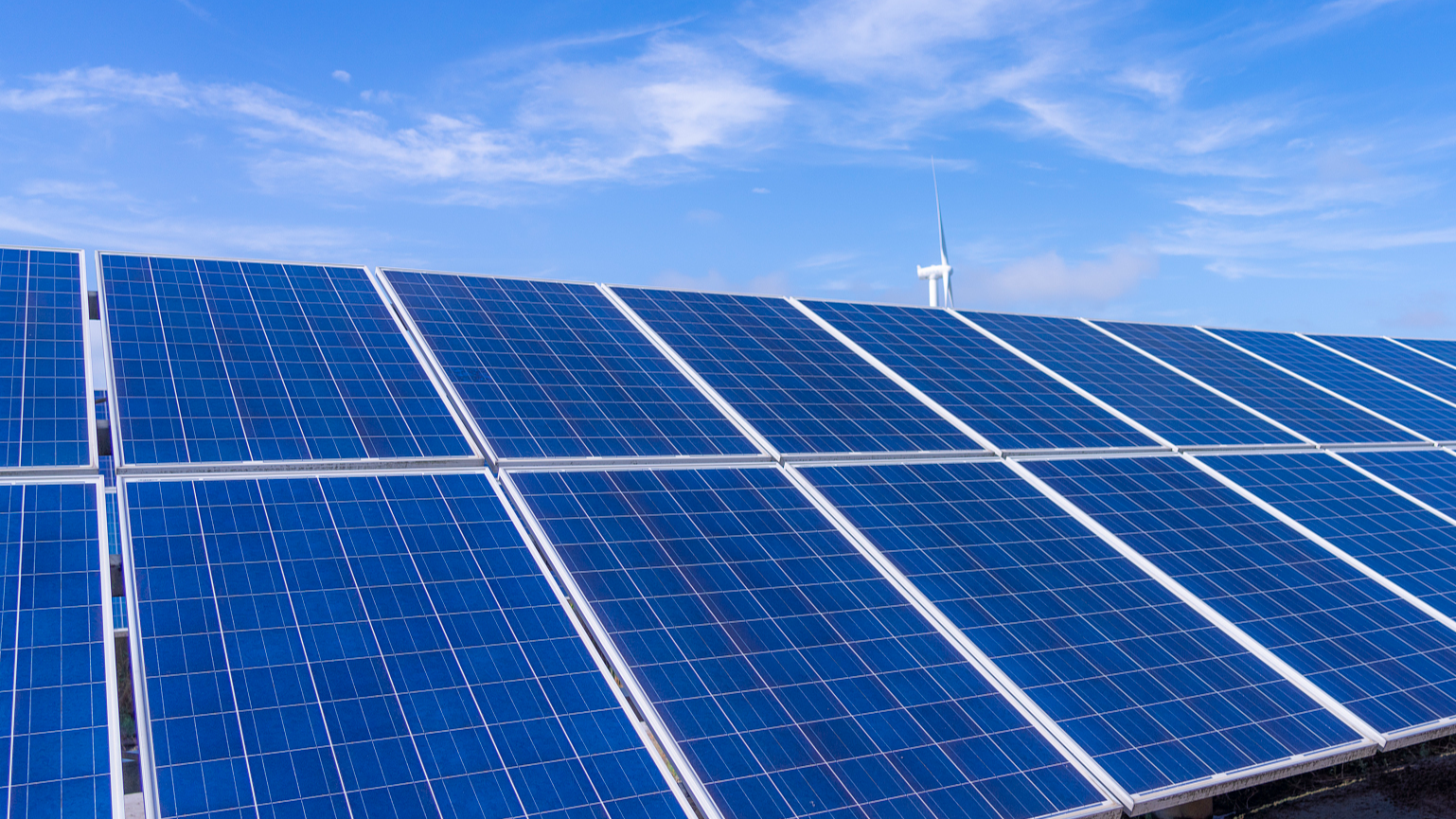
What stood out most was the scale and sophistication of Chinese participation across solar panels, battery storage systems, inverters, electric vehicle charging and energy-management software.
Chinese firms were not simply exhibiting hardware.
They were competing for long-term control over Australia’s residential and commercial energy ecosystem.
Companies unveiled integrated systems combining solar generation, battery storage, grid management and artificial intelligence-driven energy optimisation designed specifically for Australian households and businesses.
Several Chinese manufacturers used the event to launch products tailored to Australia’s policy environment, particularly new battery subsidy programs and rising demand for household energy independence.
Companies emphasized faster installation times, modular battery expansion, virtual power plant compatibility and compliance with Australian grid standards.
What is confirmed is that Chinese suppliers now occupy a dominant position in Australia’s solar infrastructure market.
Australia already relies heavily on Chinese-made solar modules, batteries and inverter systems because of lower manufacturing costs, scale efficiencies and rapid product iteration.
Industry participants at Smart Energy 2026 openly acknowledged that few countries currently match China’s ability to mass-produce advanced clean-energy hardware at competitive prices.
The commercial logic is straightforward.
Australia has some of the world’s highest rooftop solar penetration rates, volatile electricity pricing and ambitious decarbonisation targets.
That combination has created a lucrative market for energy storage and grid-balancing technologies.
Chinese firms are moving aggressively to capture that demand before competitors from Europe, Japan, South Korea or the United States can scale production.
The exhibition reflected a broader geopolitical reality: China has become the dominant industrial power in clean-energy manufacturing even as Western governments attempt to diversify supply chains.
Australian energy companies increasingly depend on Chinese components for both cost and availability, particularly in battery chemistry, power electronics and large-scale storage systems.
That dependence is generating political tension.
Australia remains strategically aligned with the United States on national security and technology policy, yet its clean-energy transition increasingly relies on Chinese industrial capacity.
The contradiction was visible throughout the conference.
Policymakers promoted energy sovereignty and resilient supply chains while exhibitors showcased technologies overwhelmingly manufactured in China.
The event also highlighted how Chinese companies are adapting their international strategy in response to global scrutiny.
Rather than acting solely as low-cost exporters, many are establishing local partnerships, joining Australian industry associations and investing in localized technical support and distribution networks.
Several companies signaled plans for expanded Australian operations, including installer training programs and local service hubs.
Australia’s renewable energy industry has largely welcomed the influx of technology because the country faces mounting pressure to modernize aging electricity infrastructure while reducing emissions.
Large battery deployments, distributed storage systems and smarter grid coordination are increasingly viewed as essential for stabilizing electricity supply as coal-fired generation declines.
At the same time, critics warn that deepening dependence on Chinese hardware could expose Australia to future strategic vulnerabilities.
Concerns extend beyond economics into cybersecurity, critical infrastructure resilience and geopolitical leverage.
Debate is intensifying over whether energy transition goals should outweigh strategic diversification efforts.
The commercial stakes are enormous.
Australia is rapidly becoming a testing ground for next-generation distributed energy systems due to its unique mix of suburban rooftop solar, long transmission distances and growing electrification of homes and transport.
Success in Australia provides companies with a globally visible proving ground for technologies that can later scale into Europe, Southeast Asia and North America.
The exhibition also demonstrated how clean-energy competition is shifting away from individual products toward integrated ecosystems.
Companies increasingly marketed complete energy platforms rather than standalone solar panels or batteries.
Software integration, real-time energy trading capability and household energy automation emerged as key selling points.
Behind the technology showcase sits a larger industrial transformation.
China’s clean-energy sector has expanded through sustained state-backed manufacturing investment, extensive supply-chain integration and domestic market scale.
Australia, by contrast, remains heavily dependent on imported finished products despite being rich in critical minerals needed for batteries and renewable infrastructure.
That imbalance is pushing Canberra to accelerate domestic manufacturing ambitions in battery processing, green hydrogen and critical minerals refining.
Yet the technologies displayed at Smart Energy 2026 underscored how difficult it will be for Australia or its allies to rapidly displace China’s industrial lead in renewable energy systems.
The practical consequence is that Australia’s energy transition and China’s manufacturing expansion are becoming increasingly intertwined.
Smart Energy 2026 showed that, despite strategic rivalry between Beijing and Western governments, Chinese clean-tech companies remain central players in the infrastructure reshaping Australia’s electricity system and consumer energy market.
The two-day event at the International Convention Centre Sydney brought together more than twelve thousand delegates, installers, policymakers, investors and manufacturers focused on Australia’s accelerating energy transition.
What stood out most was the scale and sophistication of Chinese participation across solar panels, battery storage systems, inverters, electric vehicle charging and energy-management software.
Chinese firms were not simply exhibiting hardware.
They were competing for long-term control over Australia’s residential and commercial energy ecosystem.
Companies unveiled integrated systems combining solar generation, battery storage, grid management and artificial intelligence-driven energy optimisation designed specifically for Australian households and businesses.
Several Chinese manufacturers used the event to launch products tailored to Australia’s policy environment, particularly new battery subsidy programs and rising demand for household energy independence.
Companies emphasized faster installation times, modular battery expansion, virtual power plant compatibility and compliance with Australian grid standards.
What is confirmed is that Chinese suppliers now occupy a dominant position in Australia’s solar infrastructure market.
Australia already relies heavily on Chinese-made solar modules, batteries and inverter systems because of lower manufacturing costs, scale efficiencies and rapid product iteration.
Industry participants at Smart Energy 2026 openly acknowledged that few countries currently match China’s ability to mass-produce advanced clean-energy hardware at competitive prices.
The commercial logic is straightforward.
Australia has some of the world’s highest rooftop solar penetration rates, volatile electricity pricing and ambitious decarbonisation targets.
That combination has created a lucrative market for energy storage and grid-balancing technologies.
Chinese firms are moving aggressively to capture that demand before competitors from Europe, Japan, South Korea or the United States can scale production.
The exhibition reflected a broader geopolitical reality: China has become the dominant industrial power in clean-energy manufacturing even as Western governments attempt to diversify supply chains.
Australian energy companies increasingly depend on Chinese components for both cost and availability, particularly in battery chemistry, power electronics and large-scale storage systems.
That dependence is generating political tension.
Australia remains strategically aligned with the United States on national security and technology policy, yet its clean-energy transition increasingly relies on Chinese industrial capacity.
The contradiction was visible throughout the conference.
Policymakers promoted energy sovereignty and resilient supply chains while exhibitors showcased technologies overwhelmingly manufactured in China.
The event also highlighted how Chinese companies are adapting their international strategy in response to global scrutiny.
Rather than acting solely as low-cost exporters, many are establishing local partnerships, joining Australian industry associations and investing in localized technical support and distribution networks.
Several companies signaled plans for expanded Australian operations, including installer training programs and local service hubs.
Australia’s renewable energy industry has largely welcomed the influx of technology because the country faces mounting pressure to modernize aging electricity infrastructure while reducing emissions.
Large battery deployments, distributed storage systems and smarter grid coordination are increasingly viewed as essential for stabilizing electricity supply as coal-fired generation declines.
At the same time, critics warn that deepening dependence on Chinese hardware could expose Australia to future strategic vulnerabilities.
Concerns extend beyond economics into cybersecurity, critical infrastructure resilience and geopolitical leverage.
Debate is intensifying over whether energy transition goals should outweigh strategic diversification efforts.
The commercial stakes are enormous.
Australia is rapidly becoming a testing ground for next-generation distributed energy systems due to its unique mix of suburban rooftop solar, long transmission distances and growing electrification of homes and transport.
Success in Australia provides companies with a globally visible proving ground for technologies that can later scale into Europe, Southeast Asia and North America.
The exhibition also demonstrated how clean-energy competition is shifting away from individual products toward integrated ecosystems.
Companies increasingly marketed complete energy platforms rather than standalone solar panels or batteries.
Software integration, real-time energy trading capability and household energy automation emerged as key selling points.
Behind the technology showcase sits a larger industrial transformation.
China’s clean-energy sector has expanded through sustained state-backed manufacturing investment, extensive supply-chain integration and domestic market scale.
Australia, by contrast, remains heavily dependent on imported finished products despite being rich in critical minerals needed for batteries and renewable infrastructure.
That imbalance is pushing Canberra to accelerate domestic manufacturing ambitions in battery processing, green hydrogen and critical minerals refining.
Yet the technologies displayed at Smart Energy 2026 underscored how difficult it will be for Australia or its allies to rapidly displace China’s industrial lead in renewable energy systems.
The practical consequence is that Australia’s energy transition and China’s manufacturing expansion are becoming increasingly intertwined.
Smart Energy 2026 showed that, despite strategic rivalry between Beijing and Western governments, Chinese clean-tech companies remain central players in the infrastructure reshaping Australia’s electricity system and consumer energy market.
AI Disclaimer: An advanced artificial intelligence (AI) system generated the content of this page on its own. This innovative technology conducts extensive research from a variety of reliable sources, performs rigorous fact-checking and verification, cleans up and balances biased or manipulated content, and presents a minimal factual summary that is just enough yet essential for you to function as an informed and educated citizen. Please keep in mind, however, that this system is an evolving technology, and as a result, the article may contain accidental inaccuracies or errors. We urge you to help us improve our site by reporting any inaccuracies you find using the "Contact Us" link at the bottom of this page. Your helpful feedback helps us improve our system and deliver more precise content. When you find an article of interest here, please look for the full and extensive coverage of this topic in traditional news sources, as they are written by professional journalists that we try to support, not replace. We appreciate your understanding and assistance.