King Charles Reasserts Australia Role as Royal Rift and Republican Debate Resurface
The monarch’s praise of Australia as a “remarkable success story” came amid renewed scrutiny of the royal family after Prince Harry’s separate visit intensified questions about relevance, symbolism and influence.
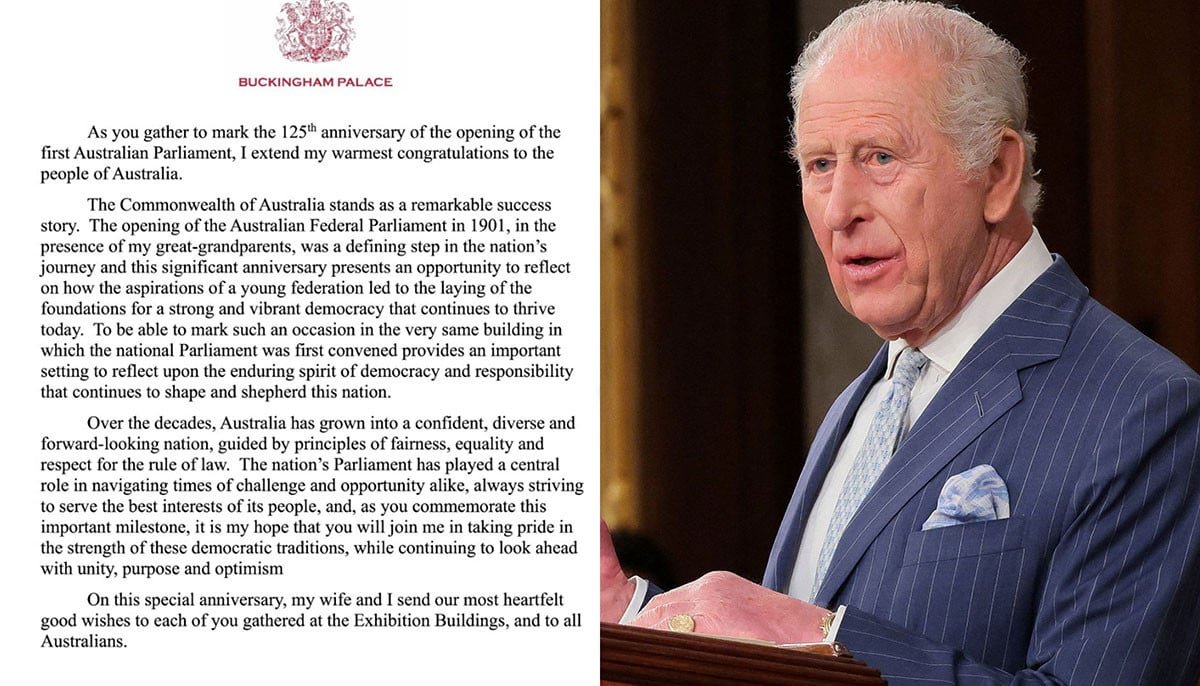
The British monarchy’s relationship with Australia is increasingly being shaped by institutional survival rather than ceremony, and King Charles III used recent remarks praising Australia as a “remarkable success story” to reinforce his constitutional role at a moment of renewed pressure on the Crown’s standing in the country.
Charles’ comments came shortly after Prince Harry made a high-profile trip connected to charitable and public engagements in Australia, a visit that reignited media attention around the fractured relationship between the Duke of Sussex and the royal establishment.
The timing sharpened comparisons between official monarchy diplomacy and the unofficial global profile built by Harry and Meghan Markle since stepping away from royal duties.
What is confirmed is that King Charles has increasingly emphasized his role as sovereign of Australia during major public appearances.
In recent speeches tied to Australia’s strategic partnerships and Commonwealth identity, he highlighted long-standing institutional links between Britain and Australia while framing the country as a modern democratic success rather than a colonial dependency.
That distinction matters politically.
Australia remains a constitutional monarchy with the British monarch as head of state, but republican sentiment has persisted for decades.
The debate intensified after the death of Queen Elizabeth II, whose personal popularity often insulated the monarchy from broader constitutional criticism.
Charles inherited a different environment.
Polling over recent years has shown declining emotional attachment to the monarchy among younger Australians, while support for eventually replacing the monarch with an Australian head of state remains substantial, though inconsistent.
The issue is politically sensitive because support for a republic often weakens when voters are asked to choose a replacement model.
The king’s recent rhetoric appears designed to reposition the monarchy less as an imperial relic and more as a symbolic constitutional partnership.
During his Australia visit in late twenty twenty-four, Charles repeatedly referred to Australia with personal familiarity, stressing his long relationship with the country and acknowledging Indigenous communities, climate concerns and regional security issues.
The strategy reflected a broader modernization effort inside the monarchy.
Buckingham Palace has sought to present Charles as a more politically aware sovereign focused on environmental policy, interfaith dialogue and international stability while avoiding direct involvement in partisan domestic disputes.
Prince Harry’s separate presence in Australia complicated that effort.
Although his engagements were not official royal duties, the visit attracted substantial international attention because Harry and Meghan continue to command global celebrity influence despite losing formal working royal status.
The contrast exposed a central tension facing the monarchy.
Charles represents institutional continuity and constitutional legitimacy.
Harry represents emotional visibility, media reach and generational disruption.
Both attract attention, but for fundamentally different reasons.
In Australia, that distinction carries unusual weight.
The country has historically maintained strong public interest in the royal family while simultaneously sustaining one of the Commonwealth’s strongest republican movements.
Royal visits therefore function as both diplomatic events and informal tests of public sentiment.
Charles’ latest messaging also intersected with broader geopolitical themes.
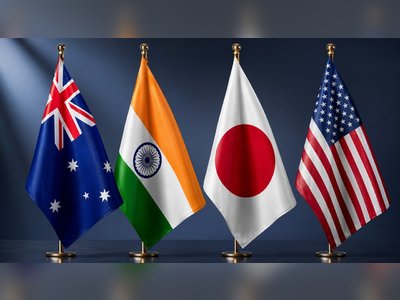
In remarks linked to the AUKUS defense partnership between Australia, the United Kingdom and the United States, the king framed Australia as central to Western strategic cooperation in the Indo-Pacific.
That language reinforced the monarchy’s continuing soft-power role within alliances shaped increasingly by security competition with China.
The practical political power of the monarch in Australia remains extremely limited.
The sovereign acts through the governor-general and operates within strict constitutional conventions.
Yet symbolic influence still matters.
Royal visits can affect public perceptions of national identity, Commonwealth ties and constitutional reform momentum.
Criticism of the monarchy nevertheless remains active.
During Charles’ Australia tour, Indigenous activists and republican campaigners protested royal events and challenged the monarchy’s historical connection to colonization and dispossession.
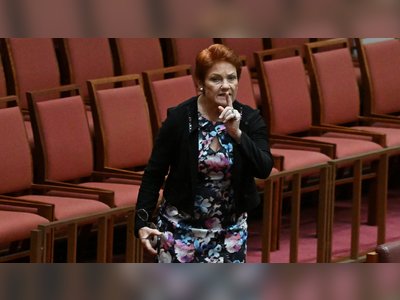
One confrontation inside Australia’s Parliament House drew global attention after an Indigenous senator accused the Crown of benefiting from historic injustice.
The protests highlighted a structural problem for the monarchy in modern Australia.
Public support is no longer determined primarily by royal popularity or ceremonial tradition.
It increasingly depends on whether Australians see constitutional monarchy as compatible with contemporary national identity and Indigenous reconciliation.
Charles appears aware of that challenge.
His public engagements have become more calibrated, less imperial in tone and more focused on partnership language.
The monarchy’s survival in Australia may now depend less on nostalgia and more on whether it can reposition itself as politically unobtrusive, culturally adaptable and strategically useful.
Harry’s continued visibility complicates that balancing act because he draws attention away from institutional monarchy toward personality-driven celebrity culture.
Yet his popularity also demonstrates that public fascination with royalty remains commercially and culturally powerful even outside formal palace structures.
The key issue is that Australia’s debate over the monarchy has entered a new phase.
The question is no longer simply whether Australians like the royal family.
It is whether the institution can justify its constitutional place in a country that increasingly defines itself independently from British identity while remaining deeply connected to Western alliances and Commonwealth networks.
For now, the monarchy retains legal continuity, political stability and enough public support to avoid immediate constitutional upheaval.
But the pressure has shifted from symbolic loyalty to practical legitimacy, and King Charles is responding by presenting Australia not as a subordinate realm, but as a sovereign partner whose success strengthens the Crown’s relevance in a changing Commonwealth.
Charles’ comments came shortly after Prince Harry made a high-profile trip connected to charitable and public engagements in Australia, a visit that reignited media attention around the fractured relationship between the Duke of Sussex and the royal establishment.
The timing sharpened comparisons between official monarchy diplomacy and the unofficial global profile built by Harry and Meghan Markle since stepping away from royal duties.
What is confirmed is that King Charles has increasingly emphasized his role as sovereign of Australia during major public appearances.
In recent speeches tied to Australia’s strategic partnerships and Commonwealth identity, he highlighted long-standing institutional links between Britain and Australia while framing the country as a modern democratic success rather than a colonial dependency.
That distinction matters politically.
Australia remains a constitutional monarchy with the British monarch as head of state, but republican sentiment has persisted for decades.
The debate intensified after the death of Queen Elizabeth II, whose personal popularity often insulated the monarchy from broader constitutional criticism.
Charles inherited a different environment.
Polling over recent years has shown declining emotional attachment to the monarchy among younger Australians, while support for eventually replacing the monarch with an Australian head of state remains substantial, though inconsistent.
The issue is politically sensitive because support for a republic often weakens when voters are asked to choose a replacement model.
The king’s recent rhetoric appears designed to reposition the monarchy less as an imperial relic and more as a symbolic constitutional partnership.
During his Australia visit in late twenty twenty-four, Charles repeatedly referred to Australia with personal familiarity, stressing his long relationship with the country and acknowledging Indigenous communities, climate concerns and regional security issues.
The strategy reflected a broader modernization effort inside the monarchy.
Buckingham Palace has sought to present Charles as a more politically aware sovereign focused on environmental policy, interfaith dialogue and international stability while avoiding direct involvement in partisan domestic disputes.
Prince Harry’s separate presence in Australia complicated that effort.
Although his engagements were not official royal duties, the visit attracted substantial international attention because Harry and Meghan continue to command global celebrity influence despite losing formal working royal status.
The contrast exposed a central tension facing the monarchy.
Charles represents institutional continuity and constitutional legitimacy.
Harry represents emotional visibility, media reach and generational disruption.
Both attract attention, but for fundamentally different reasons.
In Australia, that distinction carries unusual weight.
The country has historically maintained strong public interest in the royal family while simultaneously sustaining one of the Commonwealth’s strongest republican movements.
Royal visits therefore function as both diplomatic events and informal tests of public sentiment.
Charles’ latest messaging also intersected with broader geopolitical themes.
In remarks linked to the AUKUS defense partnership between Australia, the United Kingdom and the United States, the king framed Australia as central to Western strategic cooperation in the Indo-Pacific.
That language reinforced the monarchy’s continuing soft-power role within alliances shaped increasingly by security competition with China.
The practical political power of the monarch in Australia remains extremely limited.
The sovereign acts through the governor-general and operates within strict constitutional conventions.
Yet symbolic influence still matters.
Royal visits can affect public perceptions of national identity, Commonwealth ties and constitutional reform momentum.
Criticism of the monarchy nevertheless remains active.
During Charles’ Australia tour, Indigenous activists and republican campaigners protested royal events and challenged the monarchy’s historical connection to colonization and dispossession.
One confrontation inside Australia’s Parliament House drew global attention after an Indigenous senator accused the Crown of benefiting from historic injustice.
The protests highlighted a structural problem for the monarchy in modern Australia.
Public support is no longer determined primarily by royal popularity or ceremonial tradition.
It increasingly depends on whether Australians see constitutional monarchy as compatible with contemporary national identity and Indigenous reconciliation.
Charles appears aware of that challenge.
His public engagements have become more calibrated, less imperial in tone and more focused on partnership language.
The monarchy’s survival in Australia may now depend less on nostalgia and more on whether it can reposition itself as politically unobtrusive, culturally adaptable and strategically useful.
Harry’s continued visibility complicates that balancing act because he draws attention away from institutional monarchy toward personality-driven celebrity culture.
Yet his popularity also demonstrates that public fascination with royalty remains commercially and culturally powerful even outside formal palace structures.
The key issue is that Australia’s debate over the monarchy has entered a new phase.
The question is no longer simply whether Australians like the royal family.
It is whether the institution can justify its constitutional place in a country that increasingly defines itself independently from British identity while remaining deeply connected to Western alliances and Commonwealth networks.
For now, the monarchy retains legal continuity, political stability and enough public support to avoid immediate constitutional upheaval.
But the pressure has shifted from symbolic loyalty to practical legitimacy, and King Charles is responding by presenting Australia not as a subordinate realm, but as a sovereign partner whose success strengthens the Crown’s relevance in a changing Commonwealth.
AI Disclaimer: An advanced artificial intelligence (AI) system generated the content of this page on its own. This innovative technology conducts extensive research from a variety of reliable sources, performs rigorous fact-checking and verification, cleans up and balances biased or manipulated content, and presents a minimal factual summary that is just enough yet essential for you to function as an informed and educated citizen. Please keep in mind, however, that this system is an evolving technology, and as a result, the article may contain accidental inaccuracies or errors. We urge you to help us improve our site by reporting any inaccuracies you find using the "Contact Us" link at the bottom of this page. Your helpful feedback helps us improve our system and deliver more precise content. When you find an article of interest here, please look for the full and extensive coverage of this topic in traditional news sources, as they are written by professional journalists that we try to support, not replace. We appreciate your understanding and assistance.