One Nation Shatters Australia’s Conservative Map With Historic Farrer By-Election Win
Pauline Hanson’s party has captured its first seat in Australia’s lower house, exposing a deep collapse in support for the Liberal-National Coalition across regional New South Wales.
Australia’s political realignment accelerated sharply after Pauline Hanson’s One Nation party won the federal by-election in the rural New South Wales seat of Farrer, securing the movement’s first-ever seat in the House of Representatives and delivering one of the most damaging defeats the conservative Coalition has suffered in decades.
The result was fundamentally driven by the collapse of traditional conservative party dominance in regional Australia.
Without that structural erosion, the outcome in Farrer cannot be understood.
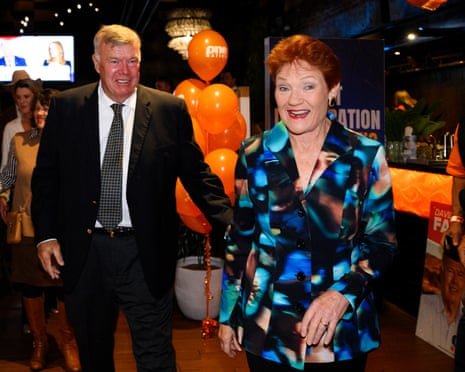
One Nation candidate David Farley defeated independent Michelle Milthorpe and overwhelmed Liberal and National party contenders in a seat that had been controlled by the Coalition and its predecessor forces for generations.
The by-election was triggered by the resignation of former Liberal leader Sussan Ley, who had represented the electorate for twenty-five years.
Farley’s victory is historically significant because One Nation, despite existing for three decades and repeatedly influencing Australian politics from the Senate, had never previously secured a seat in the federal lower house under its own banner.
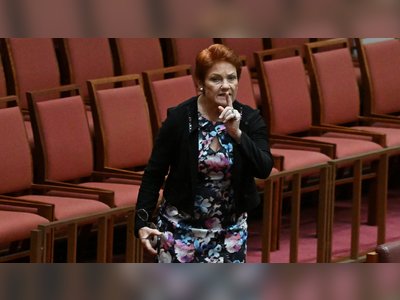
Pauline Hanson herself entered parliament in nineteen ninety-six after initially contesting as a Liberal candidate before breaking away and creating One Nation.
The scale of the Coalition collapse shocked even experienced observers.
Early counting showed the combined Liberal and National primary vote falling below levels once considered politically impossible in a rural conservative stronghold.
The result exposed not merely dissatisfaction with local candidates, but a broader breakdown in voter loyalty toward Australia’s traditional centre-right parties.
Hanson responded triumphantly, declaring that One Nation would now target additional seats across Australia.
Her message was blunt: the party believes regional and outer-suburban voters are abandoning both major parties over cost-of-living pressures, immigration, energy policy and distrust of political institutions.
The Farrer campaign became a concentrated test of political fragmentation in modern Australia.
Labor chose not to contest the seat, calculating that a direct campaign could split anti-Coalition votes and unintentionally help conservative parties retain the electorate.
That decision turned the by-election into a struggle between populist nationalism, local independents and an increasingly weakened Coalition.
The campaign also highlighted how Australia’s political geography is changing.
Rural discontent that once flowed naturally toward the Nationals is now dispersing toward populist alternatives, independents and protest movements.
One Nation capitalized on that anger by framing itself as the only force willing to challenge immigration levels, net-zero climate targets and what it describes as metropolitan political elites.
Farley himself represented an unconventional vehicle for that message.
A former agribusiness executive and water-policy advocate, he had previously held links to multiple political camps, including earlier involvement with the Nationals and attempts to engage with Labor figures.
Critics seized on those shifting affiliations during the campaign, while supporters argued they reflected broader frustration with the political establishment rather than ideological inconsistency.
The campaign’s core issues were intensely local but nationally resonant: water rights in the Murray-Darling Basin, rural healthcare shortages, agricultural costs, energy prices and economic pressure on regional communities.
One Nation successfully connected those concerns to a wider populist narrative that mainstream parties had abandoned ordinary Australians.
The Coalition’s own strategy contributed to the outcome.
Internal divisions between Liberals and Nationals weakened campaign coordination, while preference arrangements and attacks against the independent candidate fragmented the anti-One Nation vote.
Senior conservative figures had also spent years normalizing cooperation with One Nation at state and federal levels, reducing barriers for right-leaning voters considering a switch.
The result now intensifies pressure on Liberal leader Angus Taylor and Nationals leader Matt Canavan.
Both face demands to explain how a seat considered safely conservative for generations became vulnerable to a populist insurgency.
The loss also raises larger strategic questions about whether the Coalition can continue balancing moderate urban voters with increasingly nationalist regional constituencies.
One Nation’s rise is part of a broader pattern visible across Western democracies.
Economic anxiety, distrust of institutions, immigration debates and resentment toward political elites have strengthened populist movements from Europe to North America.
Australia had previously appeared more resistant to full-scale populist breakthroughs in lower-house politics.
Farrer suggests that resistance is weakening.
The implications extend beyond one seat.
One Nation already held influence through Senate representation, where Australia’s proportional voting system makes smaller parties more competitive.
Winning a lower-house electorate changes the party’s political legitimacy and organizational momentum.
It also increases media exposure, parliamentary leverage and fundraising potential ahead of future elections.
There are still limits to One Nation’s reach.
The party has historically struggled with internal instability, defections and inconsistent discipline among elected representatives.
Critics also argue its policy platform often relies more on grievance politics than detailed governance proposals.
But Farrer demonstrates that protest sentiment can now translate into direct electoral victories in seats once regarded as politically immovable.
The by-election also exposed the diminishing power of Australia’s traditional two-party system.
Independent campaigns remain strong in many electorates, while populist and minor parties increasingly exploit dissatisfaction with both Labor and the Coalition.
Voters are fragmenting into narrower political identities shaped by region, economics and cultural anxiety rather than longstanding party loyalty.
For One Nation, the victory provides proof that years of anti-establishment campaigning can produce institutional power beyond the Senate.
For the Coalition, it is evidence that conservative fragmentation is no longer theoretical.
It is now costing parliamentary seats.
The immediate consequence is that Australia’s House of Representatives will include a One Nation member for the first time in the party’s history, giving Hanson’s movement a new platform inside the country’s central legislative chamber and signaling that regional political volatility is becoming a permanent feature of Australian federal politics.
The result was fundamentally driven by the collapse of traditional conservative party dominance in regional Australia.
Without that structural erosion, the outcome in Farrer cannot be understood.
One Nation candidate David Farley defeated independent Michelle Milthorpe and overwhelmed Liberal and National party contenders in a seat that had been controlled by the Coalition and its predecessor forces for generations.
The by-election was triggered by the resignation of former Liberal leader Sussan Ley, who had represented the electorate for twenty-five years.
Farley’s victory is historically significant because One Nation, despite existing for three decades and repeatedly influencing Australian politics from the Senate, had never previously secured a seat in the federal lower house under its own banner.
Pauline Hanson herself entered parliament in nineteen ninety-six after initially contesting as a Liberal candidate before breaking away and creating One Nation.
The scale of the Coalition collapse shocked even experienced observers.
Early counting showed the combined Liberal and National primary vote falling below levels once considered politically impossible in a rural conservative stronghold.
The result exposed not merely dissatisfaction with local candidates, but a broader breakdown in voter loyalty toward Australia’s traditional centre-right parties.
Hanson responded triumphantly, declaring that One Nation would now target additional seats across Australia.
Her message was blunt: the party believes regional and outer-suburban voters are abandoning both major parties over cost-of-living pressures, immigration, energy policy and distrust of political institutions.
The Farrer campaign became a concentrated test of political fragmentation in modern Australia.
Labor chose not to contest the seat, calculating that a direct campaign could split anti-Coalition votes and unintentionally help conservative parties retain the electorate.
That decision turned the by-election into a struggle between populist nationalism, local independents and an increasingly weakened Coalition.
The campaign also highlighted how Australia’s political geography is changing.
Rural discontent that once flowed naturally toward the Nationals is now dispersing toward populist alternatives, independents and protest movements.
One Nation capitalized on that anger by framing itself as the only force willing to challenge immigration levels, net-zero climate targets and what it describes as metropolitan political elites.
Farley himself represented an unconventional vehicle for that message.
A former agribusiness executive and water-policy advocate, he had previously held links to multiple political camps, including earlier involvement with the Nationals and attempts to engage with Labor figures.
Critics seized on those shifting affiliations during the campaign, while supporters argued they reflected broader frustration with the political establishment rather than ideological inconsistency.
The campaign’s core issues were intensely local but nationally resonant: water rights in the Murray-Darling Basin, rural healthcare shortages, agricultural costs, energy prices and economic pressure on regional communities.
One Nation successfully connected those concerns to a wider populist narrative that mainstream parties had abandoned ordinary Australians.
The Coalition’s own strategy contributed to the outcome.
Internal divisions between Liberals and Nationals weakened campaign coordination, while preference arrangements and attacks against the independent candidate fragmented the anti-One Nation vote.
Senior conservative figures had also spent years normalizing cooperation with One Nation at state and federal levels, reducing barriers for right-leaning voters considering a switch.
The result now intensifies pressure on Liberal leader Angus Taylor and Nationals leader Matt Canavan.
Both face demands to explain how a seat considered safely conservative for generations became vulnerable to a populist insurgency.
The loss also raises larger strategic questions about whether the Coalition can continue balancing moderate urban voters with increasingly nationalist regional constituencies.
One Nation’s rise is part of a broader pattern visible across Western democracies.
Economic anxiety, distrust of institutions, immigration debates and resentment toward political elites have strengthened populist movements from Europe to North America.
Australia had previously appeared more resistant to full-scale populist breakthroughs in lower-house politics.
Farrer suggests that resistance is weakening.
The implications extend beyond one seat.
One Nation already held influence through Senate representation, where Australia’s proportional voting system makes smaller parties more competitive.
Winning a lower-house electorate changes the party’s political legitimacy and organizational momentum.
It also increases media exposure, parliamentary leverage and fundraising potential ahead of future elections.
There are still limits to One Nation’s reach.
The party has historically struggled with internal instability, defections and inconsistent discipline among elected representatives.
Critics also argue its policy platform often relies more on grievance politics than detailed governance proposals.
But Farrer demonstrates that protest sentiment can now translate into direct electoral victories in seats once regarded as politically immovable.
The by-election also exposed the diminishing power of Australia’s traditional two-party system.
Independent campaigns remain strong in many electorates, while populist and minor parties increasingly exploit dissatisfaction with both Labor and the Coalition.
Voters are fragmenting into narrower political identities shaped by region, economics and cultural anxiety rather than longstanding party loyalty.
For One Nation, the victory provides proof that years of anti-establishment campaigning can produce institutional power beyond the Senate.
For the Coalition, it is evidence that conservative fragmentation is no longer theoretical.
It is now costing parliamentary seats.
The immediate consequence is that Australia’s House of Representatives will include a One Nation member for the first time in the party’s history, giving Hanson’s movement a new platform inside the country’s central legislative chamber and signaling that regional political volatility is becoming a permanent feature of Australian federal politics.
AI Disclaimer: An advanced artificial intelligence (AI) system generated the content of this page on its own. This innovative technology conducts extensive research from a variety of reliable sources, performs rigorous fact-checking and verification, cleans up and balances biased or manipulated content, and presents a minimal factual summary that is just enough yet essential for you to function as an informed and educated citizen. Please keep in mind, however, that this system is an evolving technology, and as a result, the article may contain accidental inaccuracies or errors. We urge you to help us improve our site by reporting any inaccuracies you find using the "Contact Us" link at the bottom of this page. Your helpful feedback helps us improve our system and deliver more precise content. When you find an article of interest here, please look for the full and extensive coverage of this topic in traditional news sources, as they are written by professional journalists that we try to support, not replace. We appreciate your understanding and assistance.