Australia Outlaws Neo-Nazi Network Under Expanded Hate Group Powers
The Albanese government has formally banned the National Socialist Network and its successor identities, making support, recruitment and participation punishable by up to fifteen years in prison.
Australia’s new hate-group prohibition framework is now being used against domestic far-right extremism, with the federal government formally outlawing the neo-Nazi organisation previously known as the National Socialist Network.
The decision marks a major escalation in how Australia handles extremist movements that operate below the threshold of formal terrorism designation but are still considered capable of inciting violence, intimidation and organised racial hatred.
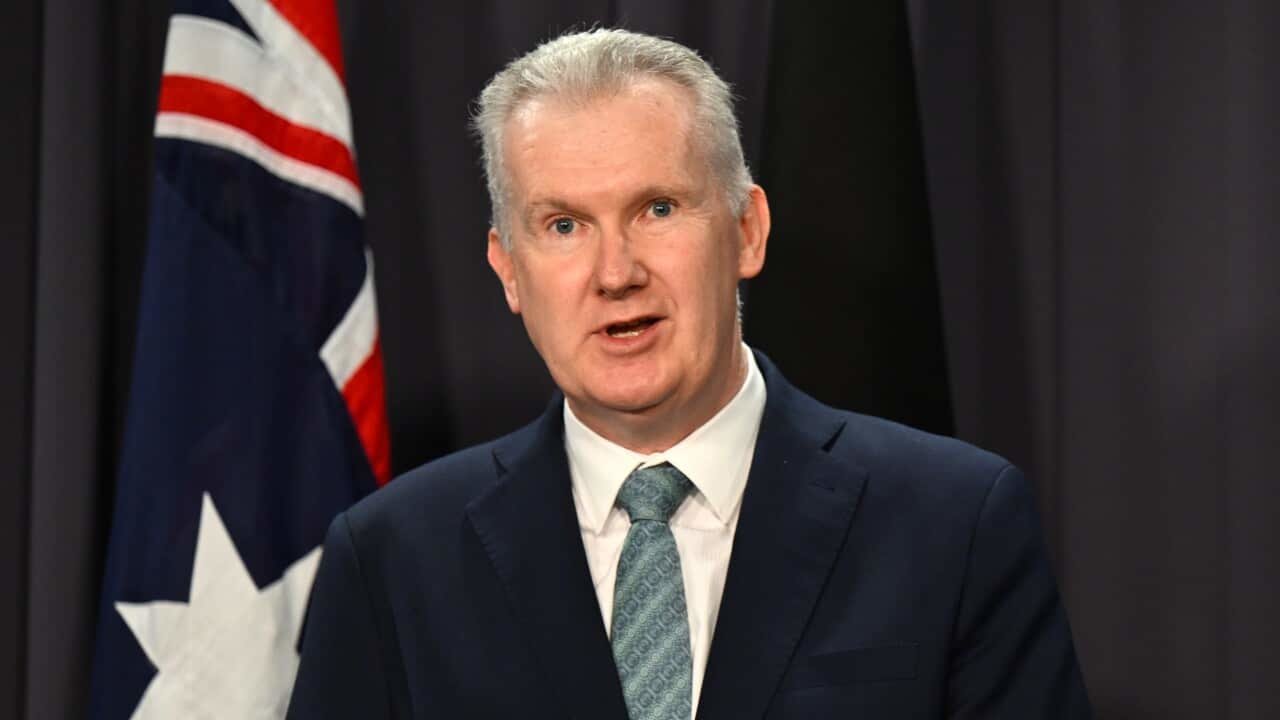
Home Affairs Minister Tony Burke announced that the group, which has also operated under the names White Australia and the European Australian Movement, would become a prohibited hate organisation from midnight Friday.
Under the law, supporting, funding, recruiting for, training with, directing or joining the organisation can now trigger criminal penalties of up to fifteen years in prison.
The ban follows legislation passed after a deadly antisemitic terror attack in Bondi in late twenty twenty-five.
The laws created a new legal category for organisations accused of systematically promoting hate crimes and extremist mobilisation even when they are not formally classified as terrorist entities.
The framework gave the federal government powers to outlaw groups deemed to advocate racial supremacy, incite violence or organise intimidation campaigns targeting ethnic or religious communities.
The central issue driving the government’s action is what security agencies describe as “phoenixing” — extremist groups dissolving and rapidly reappearing under new names to avoid law enforcement scrutiny.
Officials said the National Socialist Network publicly claimed to disband earlier this year but continued operating through successor structures and affiliated branding.
The government’s position is that cosmetic rebranding does not dissolve organisational continuity.
What is confirmed is that the listing followed intelligence assessments from the Australian Security Intelligence Organisation, known as ASIO.
Security officials had previously warned that the network was testing the outer boundaries of legality while maintaining an active extremist ecosystem through online propaganda, recruitment activity and public demonstrations.
The National Socialist Network became one of Australia’s most visible white supremacist organisations after a series of coordinated rallies, martial-style training events and nationalist demonstrations across Melbourne and other cities.
Members and associates have repeatedly appeared in public wearing black clothing, displaying Nazi symbolism and promoting explicitly racialist messaging aimed at immigrants, Jews, Muslims, Indigenous Australians and Asian communities.
Authorities have linked individuals associated with the network to violent confrontations and extremist organising campaigns.
Former leader Thomas Sewell has previously faced criminal proceedings related to violent incidents and has long been one of the country’s highest-profile white nationalist figures.
Security agencies have also examined the broader network’s attempts to build international ideological links with overseas extremists.
The government’s move places the neo-Nazi organisation in the same prohibited category as Hizb ut-Tahrir, the Islamist organisation banned earlier under the same legislative framework.
That parallel is politically significant because the government is attempting to demonstrate ideological neutrality by targeting both far-right and Islamist extremism under identical legal standards.
The legal mechanism itself is controversial because Australia traditionally relied on counterterrorism laws rather than broad anti-hate organisational bans.
Critics of the new framework argue the state is entering difficult constitutional territory by criminalising organisational association beyond direct violent conduct.
Civil liberties advocates warn that the boundaries between hateful ideology, political extremism and criminal participation could become contested in court.
Those concerns are no longer theoretical.
Figures associated with the banned neo-Nazi network have already begun discussing legal challenges and fundraising efforts aimed at overturning the designation.
Extremist channels linked to the movement are portraying the prohibition as political persecution and attempting to use the ban as a recruitment tool inside encrypted online communities.
The government argues the opposite risk is greater: allowing organised extremist movements to normalise public intimidation and racial radicalisation while exploiting legal loopholes.
Officials say the objective is not to criminalise offensive beliefs alone, but to disrupt organised structures capable of coordinating harassment campaigns, ideological grooming and violence-adjacent mobilisation.
The broader political context matters.
Australia has experienced a sharp rise in antisemitic incidents, extremist symbolism and ideologically charged demonstrations over the past two years.
Security agencies have repeatedly warned that online radicalisation ecosystems are accelerating the speed at which fringe extremist movements can recruit young men and move them toward real-world action.
The ban also reflects a wider shift across Western democracies toward treating organised hate movements as national security threats rather than merely fringe political actors.
Governments increasingly view digitally networked extremist communities as capable of inspiring lone-actor violence even without formal command structures.
For Australia’s law enforcement agencies, the immediate consequence is operational rather than symbolic.
Police and prosecutors now have broader authority to investigate membership, financing, coordination and public organising tied to the prohibited group.
Public rallies associated with the organisation also become legally riskier for participants and organisers.
The designation takes effect immediately, and the government has signalled it is prepared to pursue successor organisations if the network attempts another rebrand under a different name.
The decision marks a major escalation in how Australia handles extremist movements that operate below the threshold of formal terrorism designation but are still considered capable of inciting violence, intimidation and organised racial hatred.
Home Affairs Minister Tony Burke announced that the group, which has also operated under the names White Australia and the European Australian Movement, would become a prohibited hate organisation from midnight Friday.
Under the law, supporting, funding, recruiting for, training with, directing or joining the organisation can now trigger criminal penalties of up to fifteen years in prison.
The ban follows legislation passed after a deadly antisemitic terror attack in Bondi in late twenty twenty-five.
The laws created a new legal category for organisations accused of systematically promoting hate crimes and extremist mobilisation even when they are not formally classified as terrorist entities.
The framework gave the federal government powers to outlaw groups deemed to advocate racial supremacy, incite violence or organise intimidation campaigns targeting ethnic or religious communities.
The central issue driving the government’s action is what security agencies describe as “phoenixing” — extremist groups dissolving and rapidly reappearing under new names to avoid law enforcement scrutiny.
Officials said the National Socialist Network publicly claimed to disband earlier this year but continued operating through successor structures and affiliated branding.
The government’s position is that cosmetic rebranding does not dissolve organisational continuity.
What is confirmed is that the listing followed intelligence assessments from the Australian Security Intelligence Organisation, known as ASIO.
Security officials had previously warned that the network was testing the outer boundaries of legality while maintaining an active extremist ecosystem through online propaganda, recruitment activity and public demonstrations.
The National Socialist Network became one of Australia’s most visible white supremacist organisations after a series of coordinated rallies, martial-style training events and nationalist demonstrations across Melbourne and other cities.
Members and associates have repeatedly appeared in public wearing black clothing, displaying Nazi symbolism and promoting explicitly racialist messaging aimed at immigrants, Jews, Muslims, Indigenous Australians and Asian communities.
Authorities have linked individuals associated with the network to violent confrontations and extremist organising campaigns.
Former leader Thomas Sewell has previously faced criminal proceedings related to violent incidents and has long been one of the country’s highest-profile white nationalist figures.
Security agencies have also examined the broader network’s attempts to build international ideological links with overseas extremists.
The government’s move places the neo-Nazi organisation in the same prohibited category as Hizb ut-Tahrir, the Islamist organisation banned earlier under the same legislative framework.
That parallel is politically significant because the government is attempting to demonstrate ideological neutrality by targeting both far-right and Islamist extremism under identical legal standards.
The legal mechanism itself is controversial because Australia traditionally relied on counterterrorism laws rather than broad anti-hate organisational bans.
Critics of the new framework argue the state is entering difficult constitutional territory by criminalising organisational association beyond direct violent conduct.
Civil liberties advocates warn that the boundaries between hateful ideology, political extremism and criminal participation could become contested in court.
Those concerns are no longer theoretical.
Figures associated with the banned neo-Nazi network have already begun discussing legal challenges and fundraising efforts aimed at overturning the designation.
Extremist channels linked to the movement are portraying the prohibition as political persecution and attempting to use the ban as a recruitment tool inside encrypted online communities.
The government argues the opposite risk is greater: allowing organised extremist movements to normalise public intimidation and racial radicalisation while exploiting legal loopholes.
Officials say the objective is not to criminalise offensive beliefs alone, but to disrupt organised structures capable of coordinating harassment campaigns, ideological grooming and violence-adjacent mobilisation.
The broader political context matters.
Australia has experienced a sharp rise in antisemitic incidents, extremist symbolism and ideologically charged demonstrations over the past two years.
Security agencies have repeatedly warned that online radicalisation ecosystems are accelerating the speed at which fringe extremist movements can recruit young men and move them toward real-world action.
The ban also reflects a wider shift across Western democracies toward treating organised hate movements as national security threats rather than merely fringe political actors.
Governments increasingly view digitally networked extremist communities as capable of inspiring lone-actor violence even without formal command structures.
For Australia’s law enforcement agencies, the immediate consequence is operational rather than symbolic.
Police and prosecutors now have broader authority to investigate membership, financing, coordination and public organising tied to the prohibited group.
Public rallies associated with the organisation also become legally riskier for participants and organisers.
The designation takes effect immediately, and the government has signalled it is prepared to pursue successor organisations if the network attempts another rebrand under a different name.
AI Disclaimer: An advanced artificial intelligence (AI) system generated the content of this page on its own. This innovative technology conducts extensive research from a variety of reliable sources, performs rigorous fact-checking and verification, cleans up and balances biased or manipulated content, and presents a minimal factual summary that is just enough yet essential for you to function as an informed and educated citizen. Please keep in mind, however, that this system is an evolving technology, and as a result, the article may contain accidental inaccuracies or errors. We urge you to help us improve our site by reporting any inaccuracies you find using the "Contact Us" link at the bottom of this page. Your helpful feedback helps us improve our system and deliver more precise content. When you find an article of interest here, please look for the full and extensive coverage of this topic in traditional news sources, as they are written by professional journalists that we try to support, not replace. We appreciate your understanding and assistance.