Fatal Shark Attack Off Rottnest Island Deepens Australia’s Coastal Safety Debate
A Perth man died while spearfishing near Western Australia’s Rottnest Island in the country’s second deadly shark attack of the year, renewing scrutiny of marine risk management and ocean activity patterns
EVENT-DRIVEN pressure on Australia’s coastal safety systems intensified after a 38-year-old man was killed in a shark attack near Rottnest Island in Western Australia, marking the country’s second fatal shark incident of the year.
What is confirmed is that the man was spearfishing near Horseshoe Reef on Saturday morning when he was attacked by a large shark while in the water close to his boat.
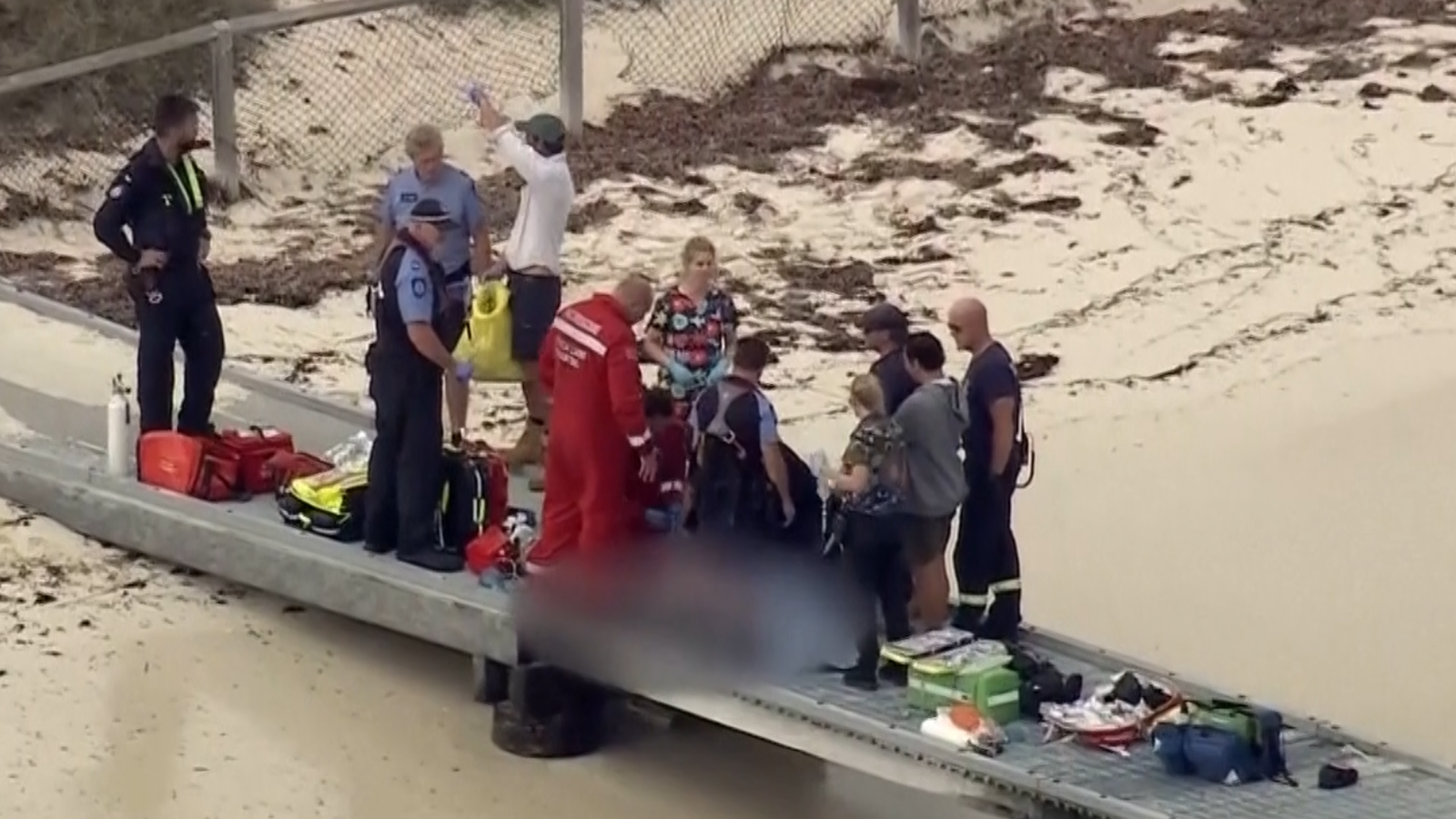
Emergency crews, police, and rescue personnel responded after the attack, but the victim could not be revived after being brought ashore.
Authorities said the man had been diving with friends near the reef, a well-known marine area off Rottnest Island, a major tourist destination west of Perth.
Witness accounts and police statements indicate he suffered catastrophic injuries to his legs during the attack.
A large white shark had reportedly been sighted in the area before the incident.
The death has reignited a recurring national debate in Australia over how authorities should manage shark risks in heavily used coastal waters without damaging marine ecosystems or tourism economies.
Shark encounters remain statistically rare in Australia relative to the country’s vast coastline and high levels of ocean activity, but fatal incidents generate immediate public concern because of their severity and visibility.
The latest attack follows another fatal incident earlier this year in Sydney Harbour involving a 12-year-old boy.
The clustering of deadly attacks within months has amplified public attention even though marine experts continue to stress that overall shark attack numbers remain low compared with the volume of swimmers, surfers, and divers entering Australian waters each year.
Western Australia occupies a particularly sensitive position in the national shark debate because the state has experienced multiple high-profile encounters involving great white sharks over the past decade.
The region’s long coastline, active surfing culture, commercial fishing activity, and growing marine tourism sector increase human interaction with shark habitats.
Spearfishing carries additional risk because blood, struggling fish, and underwater vibration can attract predatory sharks.
Marine safety officials routinely classify the activity as higher risk than ordinary swimming or surfing, especially in reef environments where large predators patrol for prey.
Authorities responded by warning the public to exercise additional caution around Horseshoe Reef and nearby bays.
Marine monitoring teams were deployed to track shark activity in the area following the attack.
Such responses have become standard procedure in Australia, where state governments increasingly rely on drones, aerial patrols, acoustic tagging systems, and real-time warning networks rather than large-scale shark culling programs.
The broader issue extends beyond a single incident.
Australia’s coastal economies depend heavily on tourism, recreational water sports, and public confidence in beach safety.
At the same time, conservation laws protect many shark species, including great whites, forcing governments to balance environmental obligations with public safety demands.
Scientists have also examined whether warming oceans, changing migration patterns, shifting fish populations, and expanding human coastal activity are increasing the frequency of shark-human encounters.
No single explanation has been conclusively established, but researchers agree that environmental and behavioral changes are altering marine ecosystems across Australian waters.
The immediate consequence of the Rottnest Island attack is likely to be heightened surveillance and temporary behavioral changes among divers and surfers in Western Australia.
The longer-term effect is renewed political and scientific pressure to improve predictive shark monitoring systems as Australia enters another high-risk coastal season with public attention sharply focused on marine safety.
What is confirmed is that the man was spearfishing near Horseshoe Reef on Saturday morning when he was attacked by a large shark while in the water close to his boat.
Emergency crews, police, and rescue personnel responded after the attack, but the victim could not be revived after being brought ashore.
Authorities said the man had been diving with friends near the reef, a well-known marine area off Rottnest Island, a major tourist destination west of Perth.
Witness accounts and police statements indicate he suffered catastrophic injuries to his legs during the attack.
A large white shark had reportedly been sighted in the area before the incident.
The death has reignited a recurring national debate in Australia over how authorities should manage shark risks in heavily used coastal waters without damaging marine ecosystems or tourism economies.
Shark encounters remain statistically rare in Australia relative to the country’s vast coastline and high levels of ocean activity, but fatal incidents generate immediate public concern because of their severity and visibility.
The latest attack follows another fatal incident earlier this year in Sydney Harbour involving a 12-year-old boy.
The clustering of deadly attacks within months has amplified public attention even though marine experts continue to stress that overall shark attack numbers remain low compared with the volume of swimmers, surfers, and divers entering Australian waters each year.
Western Australia occupies a particularly sensitive position in the national shark debate because the state has experienced multiple high-profile encounters involving great white sharks over the past decade.
The region’s long coastline, active surfing culture, commercial fishing activity, and growing marine tourism sector increase human interaction with shark habitats.
Spearfishing carries additional risk because blood, struggling fish, and underwater vibration can attract predatory sharks.
Marine safety officials routinely classify the activity as higher risk than ordinary swimming or surfing, especially in reef environments where large predators patrol for prey.
Authorities responded by warning the public to exercise additional caution around Horseshoe Reef and nearby bays.
Marine monitoring teams were deployed to track shark activity in the area following the attack.
Such responses have become standard procedure in Australia, where state governments increasingly rely on drones, aerial patrols, acoustic tagging systems, and real-time warning networks rather than large-scale shark culling programs.
The broader issue extends beyond a single incident.
Australia’s coastal economies depend heavily on tourism, recreational water sports, and public confidence in beach safety.
At the same time, conservation laws protect many shark species, including great whites, forcing governments to balance environmental obligations with public safety demands.
Scientists have also examined whether warming oceans, changing migration patterns, shifting fish populations, and expanding human coastal activity are increasing the frequency of shark-human encounters.
No single explanation has been conclusively established, but researchers agree that environmental and behavioral changes are altering marine ecosystems across Australian waters.
The immediate consequence of the Rottnest Island attack is likely to be heightened surveillance and temporary behavioral changes among divers and surfers in Western Australia.
The longer-term effect is renewed political and scientific pressure to improve predictive shark monitoring systems as Australia enters another high-risk coastal season with public attention sharply focused on marine safety.
AI Disclaimer: An advanced artificial intelligence (AI) system generated the content of this page on its own. This innovative technology conducts extensive research from a variety of reliable sources, performs rigorous fact-checking and verification, cleans up and balances biased or manipulated content, and presents a minimal factual summary that is just enough yet essential for you to function as an informed and educated citizen. Please keep in mind, however, that this system is an evolving technology, and as a result, the article may contain accidental inaccuracies or errors. We urge you to help us improve our site by reporting any inaccuracies you find using the "Contact Us" link at the bottom of this page. Your helpful feedback helps us improve our system and deliver more precise content. When you find an article of interest here, please look for the full and extensive coverage of this topic in traditional news sources, as they are written by professional journalists that we try to support, not replace. We appreciate your understanding and assistance.