China Warns Australian Beef Imports Are Approaching Safeguard Tariff Threshold
Rapid growth in Australian beef shipments to China is pushing imports toward a trade safeguard limit that could automatically trigger higher tariffs and reshape regional meat markets
SYSTEM-DRIVEN pressure inside China’s agricultural trade framework is driving new concern across the global beef market after Chinese authorities confirmed that imports of Australian beef are nearing a safeguard tariff threshold embedded in the China-Australia Free Trade Agreement.
What is confirmed is that the bilateral trade agreement includes volume-based safeguard mechanisms allowing China to impose higher tariffs once imports of certain Australian agricultural products exceed pre-agreed annual thresholds.
Beef is among the products covered by those provisions.
Chinese customs and trade officials have signaled that Australian beef imports are approaching the trigger level for 2025, raising the prospect that tariffs could temporarily increase before the annual quota cycle resets.
Under the agreement, tariffs can revert from zero to most-favored-nation rates after the safeguard threshold is breached.
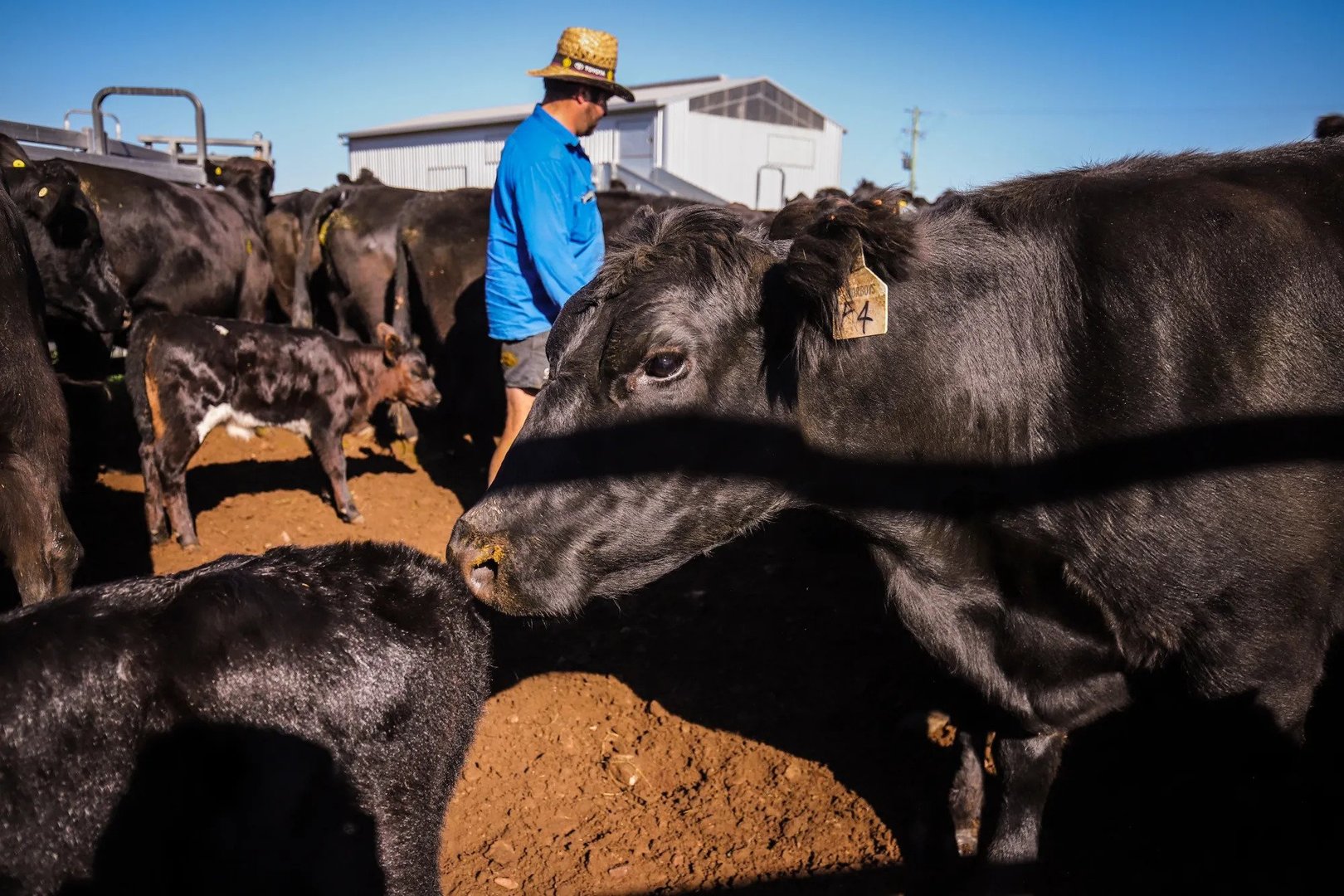
The warning comes during a period of sharply expanding Australian beef exports to China.
Australian producers have benefited from strong Chinese demand, reduced domestic Chinese cattle supply pressures, and disruptions affecting competitors in other exporting nations.
The rebound in trade also follows the broader stabilization of relations between Canberra and Beijing after years of diplomatic and commercial tensions.
The issue matters because China is one of Australia’s largest beef export destinations, particularly for premium grain-fed and high-quality chilled beef products.
Chinese consumers, restaurant chains, and food distributors have increasingly relied on imported beef to meet demand as domestic production struggles with efficiency constraints, land limitations, and changing dietary patterns.
The safeguard mechanism itself is not a punitive sanction or political retaliation.
It is a built-in feature of the trade agreement designed to protect domestic producers from sudden import surges.
However, the commercial impact can still be substantial because even temporary tariff increases can alter pricing, shipment timing, and competitive positioning in global meat markets.
Australian exporters are now under pressure to manage shipment schedules carefully to avoid being caught by a tariff change that could reduce margins or make products less competitive inside China.
Some exporters may accelerate deliveries before any threshold activation, while others may redirect volumes to alternative Asian markets if tariff conditions worsen.
The broader market effect extends beyond Australia and China.
Competing beef exporters including Brazil, the United States, and Argentina closely monitor Chinese import conditions because changes in Australian access can shift purchasing patterns across the global protein trade.
China remains the world’s largest beef importer, meaning policy adjustments inside the country reverberate through international agricultural pricing.
The development also highlights a structural reality of modern free trade agreements: tariff-free access is often conditional rather than unlimited.
Safeguard triggers are increasingly used in agricultural trade deals to balance liberalization with domestic political protection for farmers and food industries.
Australian agricultural groups have argued that the safeguard threshold system creates periodic uncertainty for exporters even during otherwise strong bilateral trade conditions.
At the same time, Chinese regulators face pressure to stabilize domestic food prices and shield local producers from excessive import competition.
The timing is particularly sensitive because global cattle markets are already adjusting to drought cycles, feed cost volatility, shipping disruptions, and changing consumer demand.
Any tariff increase affecting a major export corridor can rapidly influence wholesale beef prices across Asia.
The immediate consequence is heightened monitoring of shipment volumes and customs data by traders, processors, and policymakers in both countries.
The next key development will be whether import levels formally cross the safeguard threshold, triggering automatic tariff adjustments that would reshape pricing dynamics for Australian beef entering China for the remainder of the quota period.
What is confirmed is that the bilateral trade agreement includes volume-based safeguard mechanisms allowing China to impose higher tariffs once imports of certain Australian agricultural products exceed pre-agreed annual thresholds.
Beef is among the products covered by those provisions.
Chinese customs and trade officials have signaled that Australian beef imports are approaching the trigger level for 2025, raising the prospect that tariffs could temporarily increase before the annual quota cycle resets.
Under the agreement, tariffs can revert from zero to most-favored-nation rates after the safeguard threshold is breached.
The warning comes during a period of sharply expanding Australian beef exports to China.
Australian producers have benefited from strong Chinese demand, reduced domestic Chinese cattle supply pressures, and disruptions affecting competitors in other exporting nations.
The rebound in trade also follows the broader stabilization of relations between Canberra and Beijing after years of diplomatic and commercial tensions.
The issue matters because China is one of Australia’s largest beef export destinations, particularly for premium grain-fed and high-quality chilled beef products.
Chinese consumers, restaurant chains, and food distributors have increasingly relied on imported beef to meet demand as domestic production struggles with efficiency constraints, land limitations, and changing dietary patterns.
The safeguard mechanism itself is not a punitive sanction or political retaliation.
It is a built-in feature of the trade agreement designed to protect domestic producers from sudden import surges.
However, the commercial impact can still be substantial because even temporary tariff increases can alter pricing, shipment timing, and competitive positioning in global meat markets.
Australian exporters are now under pressure to manage shipment schedules carefully to avoid being caught by a tariff change that could reduce margins or make products less competitive inside China.
Some exporters may accelerate deliveries before any threshold activation, while others may redirect volumes to alternative Asian markets if tariff conditions worsen.
The broader market effect extends beyond Australia and China.
Competing beef exporters including Brazil, the United States, and Argentina closely monitor Chinese import conditions because changes in Australian access can shift purchasing patterns across the global protein trade.
China remains the world’s largest beef importer, meaning policy adjustments inside the country reverberate through international agricultural pricing.
The development also highlights a structural reality of modern free trade agreements: tariff-free access is often conditional rather than unlimited.
Safeguard triggers are increasingly used in agricultural trade deals to balance liberalization with domestic political protection for farmers and food industries.
Australian agricultural groups have argued that the safeguard threshold system creates periodic uncertainty for exporters even during otherwise strong bilateral trade conditions.
At the same time, Chinese regulators face pressure to stabilize domestic food prices and shield local producers from excessive import competition.
The timing is particularly sensitive because global cattle markets are already adjusting to drought cycles, feed cost volatility, shipping disruptions, and changing consumer demand.
Any tariff increase affecting a major export corridor can rapidly influence wholesale beef prices across Asia.
The immediate consequence is heightened monitoring of shipment volumes and customs data by traders, processors, and policymakers in both countries.
The next key development will be whether import levels formally cross the safeguard threshold, triggering automatic tariff adjustments that would reshape pricing dynamics for Australian beef entering China for the remainder of the quota period.
AI Disclaimer: An advanced artificial intelligence (AI) system generated the content of this page on its own. This innovative technology conducts extensive research from a variety of reliable sources, performs rigorous fact-checking and verification, cleans up and balances biased or manipulated content, and presents a minimal factual summary that is just enough yet essential for you to function as an informed and educated citizen. Please keep in mind, however, that this system is an evolving technology, and as a result, the article may contain accidental inaccuracies or errors. We urge you to help us improve our site by reporting any inaccuracies you find using the "Contact Us" link at the bottom of this page. Your helpful feedback helps us improve our system and deliver more precise content. When you find an article of interest here, please look for the full and extensive coverage of this topic in traditional news sources, as they are written by professional journalists that we try to support, not replace. We appreciate your understanding and assistance.