Australia Reopens a Divisive Chapter as Islamic State-Linked Families Return From Syria
The arrival of women and children from Syrian detention camps has reignited Australia’s debate over citizenship, national security, prosecution, and the long-term consequences of the Islamic State era.
Australia’s counterterrorism and citizenship framework is being tested again as women and children linked to the Islamic State return from detention camps in Syria, reopening one of the country’s most politically and emotionally charged national security debates.
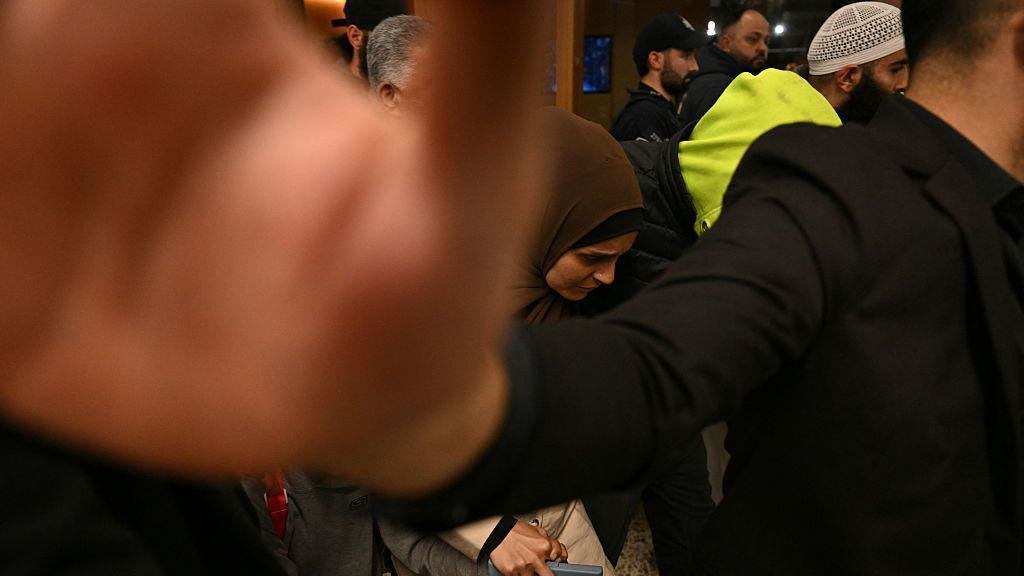
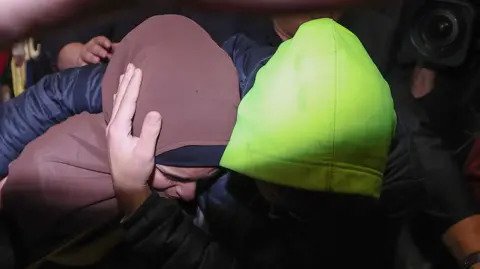
What is confirmed is that a group of Australian citizens, including women previously associated with Islamic State fighters and several children, has returned or is in the process of returning to Australia after years in camps in northeastern Syria.
Australian authorities have stated that individuals suspected of criminal conduct will face investigation and prosecution under Australian law.
Several women have already been arrested and charged, including allegations linked to crimes committed during the Islamic State’s control of territory in Syria.
The returns follow years of deadlock over what governments should do with citizens who travelled to Syria and Iraq during the rise of Islamic State between 2014 and 2019. Some women insist they were coerced, manipulated, or taken into conflict zones by husbands or relatives.
Others are accused of voluntarily supporting the extremist group.
The legal and factual circumstances differ sharply between cases, making blanket treatment politically difficult and legally risky.
The underlying driver of the debate is not a single incident but the collision between Australia’s national security system and the legal obligations attached to citizenship.
Under Australian law, citizens generally cannot be permanently excluded from returning to the country unless citizenship has already been revoked under specific legal mechanisms.
That limitation has narrowed the government’s options despite strong public opposition to repatriation.
The operational challenge is substantial.
Security agencies must assess each returnee individually, determine whether admissible evidence exists for prosecution, and decide what level of monitoring is required after arrival.
Counterterrorism officials have warned for years that surveillance and rehabilitation of high-risk individuals consume enormous financial and personnel resources.
Children are at the center of the most contentious moral and political arguments.
Many were born inside Islamic State territory or spent formative years inside detention camps after the collapse of the group’s so-called caliphate in 2019. Aid organisations and some legal experts argue the children are victims of parental decisions and prolonged statelessness.
Critics counter that years of exposure to extremist ideology create long-term security risks that are difficult to measure or reverse.
The Syrian camps themselves became increasingly unstable after the territorial defeat of Islamic State.
Kurdish-led authorities repeatedly urged foreign governments to repatriate their citizens, arguing the camps were unsustainable and vulnerable to radicalisation, violence, and prison-break operations by surviving extremist networks.
International pressure for repatriation intensified after regional instability and changing control dynamics in Syria complicated long-term detention arrangements.
Australia’s political class remains deeply divided.
The government has emphasized that returnees who committed crimes will face the full force of Australian law while publicly distancing itself from direct facilitation of some returns.
Opposition figures have argued that stronger preventative measures should have been pursued.
Legal experts, however, note that the government’s ability to block citizens indefinitely is limited under domestic and international law.
The prosecutions now underway may become a defining test of how democratic legal systems handle alleged involvement in foreign extremist movements years after the events occurred.
Gathering battlefield evidence from Syria is difficult.
Witness availability is inconsistent.
Intelligence material may not always meet evidentiary standards in court.
That gap between intelligence suspicion and prosecutable evidence sits at the core of the controversy.
The broader consequence is that Australia is entering a prolonged phase of post-caliphate management rather than a clean end to the Islamic State chapter.
Security monitoring, deradicalisation efforts, child welfare intervention, and criminal proceedings are likely to continue for years.
The immediate battlefield threat posed by Islamic State has diminished sharply since its territorial collapse, but the legal, political, and social consequences are now unfolding inside the countries from which many recruits originally came.
What is confirmed is that a group of Australian citizens, including women previously associated with Islamic State fighters and several children, has returned or is in the process of returning to Australia after years in camps in northeastern Syria.
Australian authorities have stated that individuals suspected of criminal conduct will face investigation and prosecution under Australian law.
Several women have already been arrested and charged, including allegations linked to crimes committed during the Islamic State’s control of territory in Syria.
The returns follow years of deadlock over what governments should do with citizens who travelled to Syria and Iraq during the rise of Islamic State between 2014 and 2019. Some women insist they were coerced, manipulated, or taken into conflict zones by husbands or relatives.
Others are accused of voluntarily supporting the extremist group.
The legal and factual circumstances differ sharply between cases, making blanket treatment politically difficult and legally risky.
The underlying driver of the debate is not a single incident but the collision between Australia’s national security system and the legal obligations attached to citizenship.
Under Australian law, citizens generally cannot be permanently excluded from returning to the country unless citizenship has already been revoked under specific legal mechanisms.
That limitation has narrowed the government’s options despite strong public opposition to repatriation.
The operational challenge is substantial.
Security agencies must assess each returnee individually, determine whether admissible evidence exists for prosecution, and decide what level of monitoring is required after arrival.
Counterterrorism officials have warned for years that surveillance and rehabilitation of high-risk individuals consume enormous financial and personnel resources.
Children are at the center of the most contentious moral and political arguments.
Many were born inside Islamic State territory or spent formative years inside detention camps after the collapse of the group’s so-called caliphate in 2019. Aid organisations and some legal experts argue the children are victims of parental decisions and prolonged statelessness.
Critics counter that years of exposure to extremist ideology create long-term security risks that are difficult to measure or reverse.
The Syrian camps themselves became increasingly unstable after the territorial defeat of Islamic State.
Kurdish-led authorities repeatedly urged foreign governments to repatriate their citizens, arguing the camps were unsustainable and vulnerable to radicalisation, violence, and prison-break operations by surviving extremist networks.
International pressure for repatriation intensified after regional instability and changing control dynamics in Syria complicated long-term detention arrangements.
Australia’s political class remains deeply divided.
The government has emphasized that returnees who committed crimes will face the full force of Australian law while publicly distancing itself from direct facilitation of some returns.
Opposition figures have argued that stronger preventative measures should have been pursued.
Legal experts, however, note that the government’s ability to block citizens indefinitely is limited under domestic and international law.
The prosecutions now underway may become a defining test of how democratic legal systems handle alleged involvement in foreign extremist movements years after the events occurred.
Gathering battlefield evidence from Syria is difficult.
Witness availability is inconsistent.
Intelligence material may not always meet evidentiary standards in court.
That gap between intelligence suspicion and prosecutable evidence sits at the core of the controversy.
The broader consequence is that Australia is entering a prolonged phase of post-caliphate management rather than a clean end to the Islamic State chapter.
Security monitoring, deradicalisation efforts, child welfare intervention, and criminal proceedings are likely to continue for years.
The immediate battlefield threat posed by Islamic State has diminished sharply since its territorial collapse, but the legal, political, and social consequences are now unfolding inside the countries from which many recruits originally came.
AI Disclaimer: An advanced artificial intelligence (AI) system generated the content of this page on its own. This innovative technology conducts extensive research from a variety of reliable sources, performs rigorous fact-checking and verification, cleans up and balances biased or manipulated content, and presents a minimal factual summary that is just enough yet essential for you to function as an informed and educated citizen. Please keep in mind, however, that this system is an evolving technology, and as a result, the article may contain accidental inaccuracies or errors. We urge you to help us improve our site by reporting any inaccuracies you find using the "Contact Us" link at the bottom of this page. Your helpful feedback helps us improve our system and deliver more precise content. When you find an article of interest here, please look for the full and extensive coverage of this topic in traditional news sources, as they are written by professional journalists that we try to support, not replace. We appreciate your understanding and assistance.