Australian Antisemitism Inquiry Exposes Deep Social Fractures as Jewish Witnesses Question Whether Reform Will Follow
A national royal commission launched after the Bondi Hanukkah massacre is hearing extensive testimony about intimidation, exclusion and institutional failures, but debate is intensifying over how Australia defines antisemitism and balances civil liberties with security.
Australia’s Royal Commission into Antisemitism and Social Cohesion has become the central institution driving the country’s response to a surge in anti-Jewish hostility that intensified after the October 2023 Hamas attacks, the Gaza war, and the December 2025 terrorist massacre at a Hanukkah event on Sydney’s Bondi Beach.
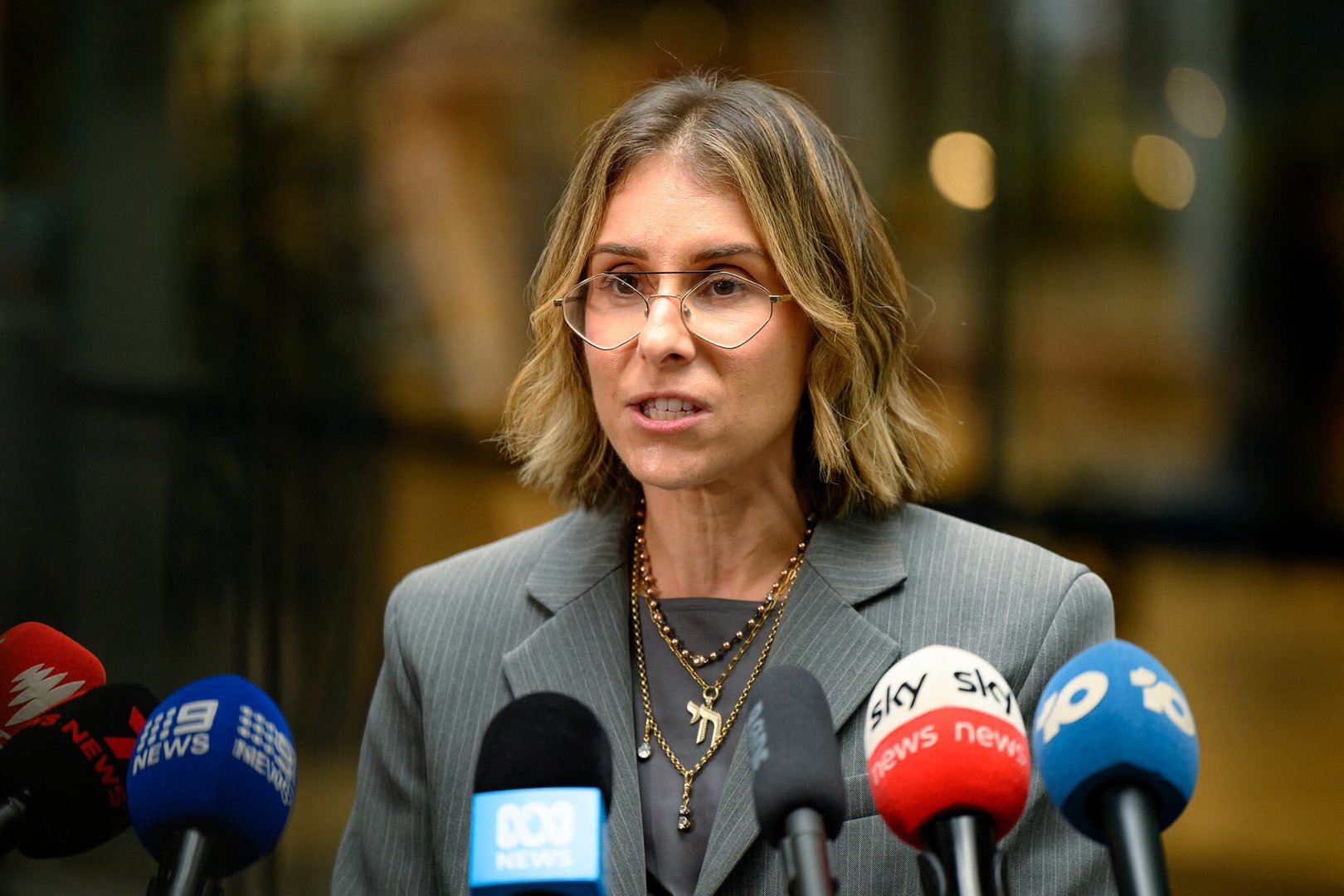
The inquiry, one of the most powerful forms of public investigation under Australian law, is now hearing detailed testimony from Jewish Australians who say antisemitism has moved from isolated abuse into mainstream social, educational and professional life.
The commission was established after the Bondi attack killed fifteen people during a Jewish community celebration.
Authorities allege the assault was carried out by father and son Sajid and Naveed Akram, with Naveed Akram now facing multiple murder and terrorism-related charges.
The hearings are examining both the attack itself and the broader climate in which antisemitic threats and intimidation expanded across Australia.
What is confirmed is that the inquiry has already received thousands of submissions and heard emotionally charged evidence from Holocaust survivors, students, healthcare workers, business owners, academics and community leaders.
Witnesses have described harassment in schools, abuse in universities, hostility in workplaces, threats in public spaces and pressure to conceal Jewish identity.
Several said they had withdrawn children from schools or reconsidered remaining in Australia.
A recurring theme is the claim that criticism of Israel has increasingly merged with hostility toward Jews as a group.
Some witnesses described being labelled collectively responsible for Israeli government actions regardless of their personal views.
Others recounted losing employment opportunities, friendships or housing after expressing support for Israel’s existence while also backing Palestinian statehood.
The inquiry has also exposed deep institutional tensions.
Jewish witnesses have accused universities, media organisations and parts of civil society of minimising antisemitic conduct while treating anti-Jewish intimidation as a secondary issue within broader political activism surrounding Gaza.
Several testimonies focused on campus protests and online campaigns that allegedly crossed from political expression into racial targeting.
At the same time, the commission is facing criticism from civil liberties advocates, pro-Palestinian activists and some academics who argue Australia risks conflating opposition to Israeli government policy with antisemitism itself.
Debate has intensified around the inquiry’s use of the International Holocaust Remembrance Alliance definition of antisemitism, which includes examples linked to discourse about Israel.
Critics argue parts of the definition may chill legitimate political speech.
Supporters counter that modern antisemitism frequently disguises itself through collective attacks on Jewish identity under the language of anti-Zionism.
The hearings are unfolding in a country where antisemitic incidents had already risen sharply before the Bondi massacre.
Jewish schools, synagogues and community centres increased security measures after repeated threats and vandalism incidents over the past two years.
Police investigations into extremist activity involving both neo-Nazi networks and Islamist radicalisation have further heightened public anxiety.
The inquiry is also scrutinising Australia’s security and policing systems.
Interim findings released before the latest hearings criticized gaps in risk assessment, intelligence coordination and protective security planning before the Bondi attack.
Officials acknowledged failures in threat preparation around Jewish events despite warnings from community security groups.
That institutional dimension matters because the inquiry is no longer functioning solely as a fact-finding exercise about antisemitism.
It is rapidly becoming a test of how Australia manages social cohesion during a period of imported geopolitical conflict, online radicalisation and declining public trust in institutions.
The commission is examining whether existing hate speech laws, counterterrorism systems and educational frameworks are adequate for a more polarized environment.
The political consequences are already visible.
The federal government has accepted initial recommendations tied to stronger security coordination and enhanced protection for Jewish institutions.
Parallel parliamentary efforts are advancing new hate and extremism legislation aimed at criminalising more forms of racial intimidation and extremist incitement.
Yet the testimony has also revealed profound skepticism inside the Jewish community itself.
Some witnesses openly questioned whether public inquiries can reverse cultural hostility that they believe has become normalized in parts of Australian society.
Others warned that symbolic condemnation without enforcement, prosecutions or institutional accountability would deepen distrust rather than restore confidence.
The inquiry’s significance extends beyond Australia’s Jewish population.
The hearings are shaping a wider national argument over multiculturalism, immigration, extremism, free speech and the limits of political activism during international conflict.
Australia has long promoted itself as a stable multicultural democracy with relatively low levels of sectarian violence.
The Bondi massacre and the testimonies now emerging before the commission have challenged that self-image directly.
The next phase of hearings will focus heavily on the Bondi attack itself, including intelligence handling, firearms licensing decisions, event security planning and the operational response by security agencies.
The commission’s final report is scheduled for release in December, with recommendations expected to influence Australia’s counterterrorism policy, hate speech laws, educational standards and community security framework for years to come.
The inquiry, one of the most powerful forms of public investigation under Australian law, is now hearing detailed testimony from Jewish Australians who say antisemitism has moved from isolated abuse into mainstream social, educational and professional life.
The commission was established after the Bondi attack killed fifteen people during a Jewish community celebration.
Authorities allege the assault was carried out by father and son Sajid and Naveed Akram, with Naveed Akram now facing multiple murder and terrorism-related charges.
The hearings are examining both the attack itself and the broader climate in which antisemitic threats and intimidation expanded across Australia.
What is confirmed is that the inquiry has already received thousands of submissions and heard emotionally charged evidence from Holocaust survivors, students, healthcare workers, business owners, academics and community leaders.
Witnesses have described harassment in schools, abuse in universities, hostility in workplaces, threats in public spaces and pressure to conceal Jewish identity.
Several said they had withdrawn children from schools or reconsidered remaining in Australia.
A recurring theme is the claim that criticism of Israel has increasingly merged with hostility toward Jews as a group.
Some witnesses described being labelled collectively responsible for Israeli government actions regardless of their personal views.
Others recounted losing employment opportunities, friendships or housing after expressing support for Israel’s existence while also backing Palestinian statehood.
The inquiry has also exposed deep institutional tensions.
Jewish witnesses have accused universities, media organisations and parts of civil society of minimising antisemitic conduct while treating anti-Jewish intimidation as a secondary issue within broader political activism surrounding Gaza.
Several testimonies focused on campus protests and online campaigns that allegedly crossed from political expression into racial targeting.
At the same time, the commission is facing criticism from civil liberties advocates, pro-Palestinian activists and some academics who argue Australia risks conflating opposition to Israeli government policy with antisemitism itself.
Debate has intensified around the inquiry’s use of the International Holocaust Remembrance Alliance definition of antisemitism, which includes examples linked to discourse about Israel.
Critics argue parts of the definition may chill legitimate political speech.
Supporters counter that modern antisemitism frequently disguises itself through collective attacks on Jewish identity under the language of anti-Zionism.
The hearings are unfolding in a country where antisemitic incidents had already risen sharply before the Bondi massacre.
Jewish schools, synagogues and community centres increased security measures after repeated threats and vandalism incidents over the past two years.
Police investigations into extremist activity involving both neo-Nazi networks and Islamist radicalisation have further heightened public anxiety.
The inquiry is also scrutinising Australia’s security and policing systems.
Interim findings released before the latest hearings criticized gaps in risk assessment, intelligence coordination and protective security planning before the Bondi attack.
Officials acknowledged failures in threat preparation around Jewish events despite warnings from community security groups.
That institutional dimension matters because the inquiry is no longer functioning solely as a fact-finding exercise about antisemitism.
It is rapidly becoming a test of how Australia manages social cohesion during a period of imported geopolitical conflict, online radicalisation and declining public trust in institutions.
The commission is examining whether existing hate speech laws, counterterrorism systems and educational frameworks are adequate for a more polarized environment.
The political consequences are already visible.
The federal government has accepted initial recommendations tied to stronger security coordination and enhanced protection for Jewish institutions.
Parallel parliamentary efforts are advancing new hate and extremism legislation aimed at criminalising more forms of racial intimidation and extremist incitement.
Yet the testimony has also revealed profound skepticism inside the Jewish community itself.
Some witnesses openly questioned whether public inquiries can reverse cultural hostility that they believe has become normalized in parts of Australian society.
Others warned that symbolic condemnation without enforcement, prosecutions or institutional accountability would deepen distrust rather than restore confidence.
The inquiry’s significance extends beyond Australia’s Jewish population.
The hearings are shaping a wider national argument over multiculturalism, immigration, extremism, free speech and the limits of political activism during international conflict.
Australia has long promoted itself as a stable multicultural democracy with relatively low levels of sectarian violence.
The Bondi massacre and the testimonies now emerging before the commission have challenged that self-image directly.
The next phase of hearings will focus heavily on the Bondi attack itself, including intelligence handling, firearms licensing decisions, event security planning and the operational response by security agencies.
The commission’s final report is scheduled for release in December, with recommendations expected to influence Australia’s counterterrorism policy, hate speech laws, educational standards and community security framework for years to come.
AI Disclaimer: An advanced artificial intelligence (AI) system generated the content of this page on its own. This innovative technology conducts extensive research from a variety of reliable sources, performs rigorous fact-checking and verification, cleans up and balances biased or manipulated content, and presents a minimal factual summary that is just enough yet essential for you to function as an informed and educated citizen. Please keep in mind, however, that this system is an evolving technology, and as a result, the article may contain accidental inaccuracies or errors. We urge you to help us improve our site by reporting any inaccuracies you find using the "Contact Us" link at the bottom of this page. Your helpful feedback helps us improve our system and deliver more precise content. When you find an article of interest here, please look for the full and extensive coverage of this topic in traditional news sources, as they are written by professional journalists that we try to support, not replace. We appreciate your understanding and assistance.