
Australia’s Political Center Faces Populist Shock as One Nation Adopts Trump-Style Strategy
Rising distrust in major parties, economic anxiety and donor realignment are driving the strongest surge in right-wing populism Australia has seen in decades.
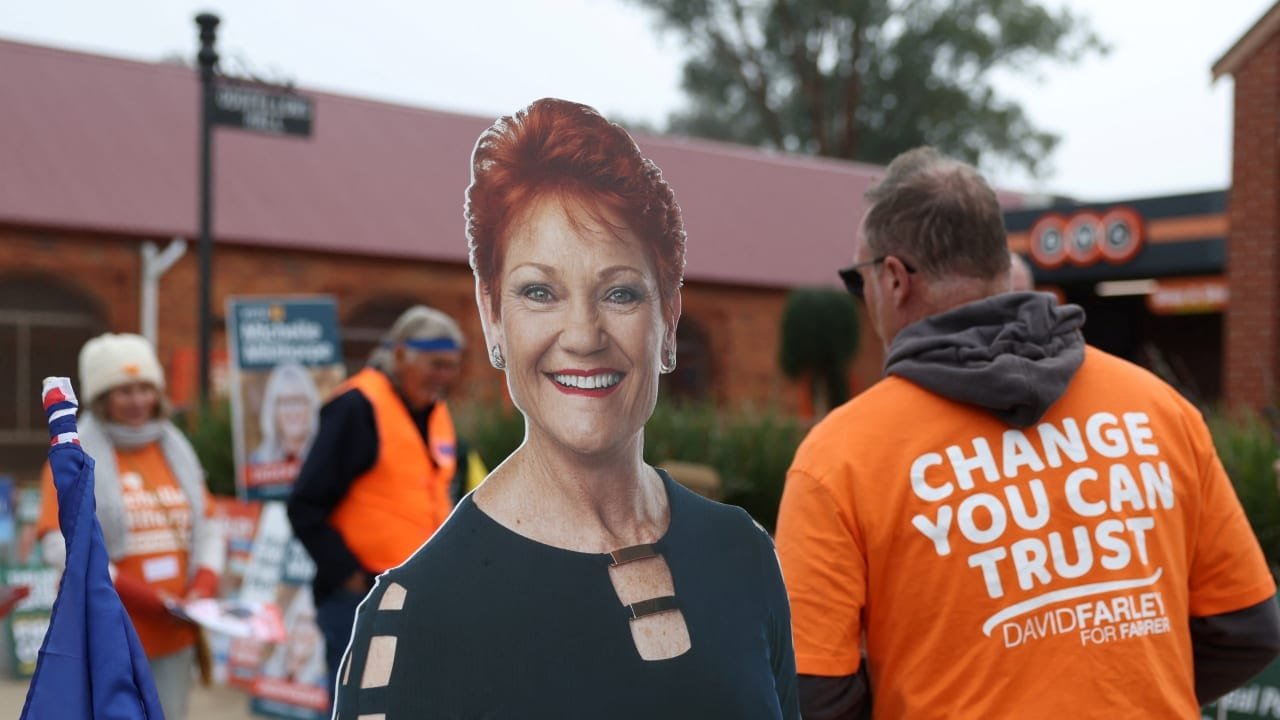
Australia’s political system is confronting its sharpest populist shift in a generation as Pauline Hanson’s One Nation party gains support by combining anti-immigration politics, anti-establishment messaging and Trump-style campaigning tactics at a scale that is beginning to destabilize the country’s traditional conservative coalition.
The story is fundamentally system-driven.
The surge is not centered on a single election, speech or controversy.
It is being powered by structural distrust in mainstream institutions, prolonged cost-of-living pressure, fragmentation inside the center-right Liberal-National coalition and growing voter belief that neither major party represents economically strained and culturally disaffected Australians.
What is confirmed is that One Nation has achieved a dramatic rise in national polling through early 2026, in some surveys overtaking the Liberal-National coalition’s primary vote.
Analysts across the political spectrum describe the movement as unprecedented in modern Australian federal politics.
The party, founded in the late 1990s and long viewed as a protest vehicle on the political fringe, is now competing for influence across both rural and outer-suburban electorates.
The movement increasingly resembles right-wing populist trends seen in the United States and Europe.
One Nation has adopted rhetoric centered on national identity, migration restrictions, hostility toward political elites, skepticism toward climate regulation and attacks on bureaucratic institutions.
Senior figures inside Australia’s conservative movement have openly debated whether the Liberal Party itself should shift further right to reclaim voters defecting to Hanson.
The political catalyst has been the collapse of confidence in Australia’s traditional conservative bloc after a series of electoral defeats and internal leadership battles.
Wealthy donors who historically backed the Liberal Party are now redirecting financial support toward One Nation.
High-profile business figures and mining interests have reportedly provided funding, logistical support and campaign infrastructure to the populist movement.
The donor migration matters because it changes One Nation from a protest party into a more durable political machine.
Earlier versions of Australian populism struggled with weak organization, financial instability and internal fragmentation.
The current phase is different because parts of the country’s conservative business establishment increasingly see populist nationalism as a viable long-term political strategy rather than a temporary protest movement.
Economic stress is central to the shift.
Australia has experienced prolonged housing affordability problems, elevated living costs, rising energy prices and wage pressure that have eroded trust in government competence.
Polling shows One Nation voters are disproportionately pessimistic about their financial future and deeply distrustful of political institutions.
Immigration has become a particularly powerful issue.
Australia historically maintained one of the world’s largest migration programs relative to population size.
Population growth helped support economic expansion for years, but worsening housing shortages, infrastructure strain and rental inflation have changed public sentiment.
One Nation has used those pressures to argue that migration policy primarily benefits corporations, property investors and urban elites while imposing social and economic costs on ordinary Australians.
The party’s strategy also borrows heavily from the political style associated with Donald Trump.
That includes direct attacks on mainstream media, personalized campaigning, aggressive culture-war messaging and appeals to voters who believe established institutions are fundamentally dishonest or self-serving.
One Nation portrays itself not simply as another conservative party but as an insurgent movement fighting a corrupt political class.
The comparison with Trumpism has become more explicit in recent months.
Some Australian conservatives have attended political fundraising events linked to Trump allies in the United States, and populist figures inside Australia increasingly frame their movement as part of a broader Western backlash against globalization, progressive social policy and institutional liberalism.
At the same time, Australia’s political structure differs significantly from the United States.
Mandatory voting, preferential ballots and a parliamentary system make it harder for insurgent movements to seize executive power outright.
One Nation still faces structural barriers to forming government.
The party’s support is geographically uneven, and preferential voting can limit its ability to convert polling strength into lower-house seats.
Even so, the impact on Australian politics is already substantial.
The Liberal Party is now trapped between competing pressures.
Moderate conservatives fear that moving closer to One Nation risks alienating urban voters and accelerating the collapse of the traditional center-right coalition.
Hardline conservatives argue the party has already lost touch with working-class and regional voters who feel economically abandoned and culturally ignored.
Labor is also increasingly exposed.
Early assumptions that One Nation’s rise would primarily damage conservative parties are proving incomplete.
Polling indicates that sections of Labor’s traditional working-class base are also receptive to populist messaging, especially around migration, energy costs and distrust of political elites.
The broader significance extends beyond party politics.
Australia long viewed itself as relatively resistant to the populist waves that reshaped American and European politics after the global financial crisis.
Stable institutions, compulsory voting and comparatively strong economic performance insulated the country for years.
That assumption is now weakening.
The current populist surge reflects a deeper erosion of institutional trust.
Surveys show rising numbers of Australians believe governments primarily serve political insiders, corporations and wealthy interests.
Confidence in mainstream media, political parties and public institutions has declined steadily.
One Nation’s growth is increasingly tied to that broader legitimacy crisis rather than any single policy dispute.
There are also signs that the movement is becoming more socially normalized.
Polling indicates large numbers of Australians who do not currently support One Nation nonetheless say they are open to voting for the party in the future.
That shift is politically important because populist movements historically become more powerful once they move from protest status into mainstream acceptability.
Critics warn that the rise of Trump-style populism risks intensifying polarization, weakening institutional trust further and inflaming racial or religious tensions.
Hanson has long faced accusations of inflammatory rhetoric toward migrants and Muslims.
Supporters argue the movement reflects legitimate frustration with economic insecurity, political stagnation and elite detachment from everyday concerns.
The immediate political consequence is that Australia’s two-party system is under heavier pressure than at any point in decades.
One Nation is no longer operating solely as a protest outlet on the margins of politics.
It is now forcing both major parties to rethink immigration policy, economic messaging, regional development and the future direction of Australian conservatism ahead of the next federal electoral cycle.
The story is fundamentally system-driven.
The surge is not centered on a single election, speech or controversy.
It is being powered by structural distrust in mainstream institutions, prolonged cost-of-living pressure, fragmentation inside the center-right Liberal-National coalition and growing voter belief that neither major party represents economically strained and culturally disaffected Australians.
What is confirmed is that One Nation has achieved a dramatic rise in national polling through early 2026, in some surveys overtaking the Liberal-National coalition’s primary vote.
Analysts across the political spectrum describe the movement as unprecedented in modern Australian federal politics.
The party, founded in the late 1990s and long viewed as a protest vehicle on the political fringe, is now competing for influence across both rural and outer-suburban electorates.
The movement increasingly resembles right-wing populist trends seen in the United States and Europe.
One Nation has adopted rhetoric centered on national identity, migration restrictions, hostility toward political elites, skepticism toward climate regulation and attacks on bureaucratic institutions.
Senior figures inside Australia’s conservative movement have openly debated whether the Liberal Party itself should shift further right to reclaim voters defecting to Hanson.
The political catalyst has been the collapse of confidence in Australia’s traditional conservative bloc after a series of electoral defeats and internal leadership battles.
Wealthy donors who historically backed the Liberal Party are now redirecting financial support toward One Nation.
High-profile business figures and mining interests have reportedly provided funding, logistical support and campaign infrastructure to the populist movement.
The donor migration matters because it changes One Nation from a protest party into a more durable political machine.
Earlier versions of Australian populism struggled with weak organization, financial instability and internal fragmentation.
The current phase is different because parts of the country’s conservative business establishment increasingly see populist nationalism as a viable long-term political strategy rather than a temporary protest movement.
Economic stress is central to the shift.
Australia has experienced prolonged housing affordability problems, elevated living costs, rising energy prices and wage pressure that have eroded trust in government competence.
Polling shows One Nation voters are disproportionately pessimistic about their financial future and deeply distrustful of political institutions.
Immigration has become a particularly powerful issue.
Australia historically maintained one of the world’s largest migration programs relative to population size.
Population growth helped support economic expansion for years, but worsening housing shortages, infrastructure strain and rental inflation have changed public sentiment.
One Nation has used those pressures to argue that migration policy primarily benefits corporations, property investors and urban elites while imposing social and economic costs on ordinary Australians.
The party’s strategy also borrows heavily from the political style associated with Donald Trump.
That includes direct attacks on mainstream media, personalized campaigning, aggressive culture-war messaging and appeals to voters who believe established institutions are fundamentally dishonest or self-serving.
One Nation portrays itself not simply as another conservative party but as an insurgent movement fighting a corrupt political class.
The comparison with Trumpism has become more explicit in recent months.
Some Australian conservatives have attended political fundraising events linked to Trump allies in the United States, and populist figures inside Australia increasingly frame their movement as part of a broader Western backlash against globalization, progressive social policy and institutional liberalism.
At the same time, Australia’s political structure differs significantly from the United States.
Mandatory voting, preferential ballots and a parliamentary system make it harder for insurgent movements to seize executive power outright.
One Nation still faces structural barriers to forming government.
The party’s support is geographically uneven, and preferential voting can limit its ability to convert polling strength into lower-house seats.
Even so, the impact on Australian politics is already substantial.
The Liberal Party is now trapped between competing pressures.
Moderate conservatives fear that moving closer to One Nation risks alienating urban voters and accelerating the collapse of the traditional center-right coalition.
Hardline conservatives argue the party has already lost touch with working-class and regional voters who feel economically abandoned and culturally ignored.
Labor is also increasingly exposed.
Early assumptions that One Nation’s rise would primarily damage conservative parties are proving incomplete.
Polling indicates that sections of Labor’s traditional working-class base are also receptive to populist messaging, especially around migration, energy costs and distrust of political elites.
The broader significance extends beyond party politics.
Australia long viewed itself as relatively resistant to the populist waves that reshaped American and European politics after the global financial crisis.
Stable institutions, compulsory voting and comparatively strong economic performance insulated the country for years.
That assumption is now weakening.
The current populist surge reflects a deeper erosion of institutional trust.
Surveys show rising numbers of Australians believe governments primarily serve political insiders, corporations and wealthy interests.
Confidence in mainstream media, political parties and public institutions has declined steadily.
One Nation’s growth is increasingly tied to that broader legitimacy crisis rather than any single policy dispute.
There are also signs that the movement is becoming more socially normalized.
Polling indicates large numbers of Australians who do not currently support One Nation nonetheless say they are open to voting for the party in the future.
That shift is politically important because populist movements historically become more powerful once they move from protest status into mainstream acceptability.
Critics warn that the rise of Trump-style populism risks intensifying polarization, weakening institutional trust further and inflaming racial or religious tensions.
Hanson has long faced accusations of inflammatory rhetoric toward migrants and Muslims.
Supporters argue the movement reflects legitimate frustration with economic insecurity, political stagnation and elite detachment from everyday concerns.
The immediate political consequence is that Australia’s two-party system is under heavier pressure than at any point in decades.
One Nation is no longer operating solely as a protest outlet on the margins of politics.
It is now forcing both major parties to rethink immigration policy, economic messaging, regional development and the future direction of Australian conservatism ahead of the next federal electoral cycle.
AI Disclaimer: An advanced artificial intelligence (AI) system generated the content of this page on its own. This innovative technology conducts extensive research from a variety of reliable sources, performs rigorous fact-checking and verification, cleans up and balances biased or manipulated content, and presents a minimal factual summary that is just enough yet essential for you to function as an informed and educated citizen. Please keep in mind, however, that this system is an evolving technology, and as a result, the article may contain accidental inaccuracies or errors. We urge you to help us improve our site by reporting any inaccuracies you find using the "Contact Us" link at the bottom of this page. Your helpful feedback helps us improve our system and deliver more precise content. When you find an article of interest here, please look for the full and extensive coverage of this topic in traditional news sources, as they are written by professional journalists that we try to support, not replace. We appreciate your understanding and assistance.