Australia’s Milk Pricing Crackdown Expands as Coles Fined and Brownes Draws Regulatory Scrutiny
The competition regulator is intensifying pressure on supermarket and dairy supply practices amid broader concerns over market power, supplier treatment and food inflation.
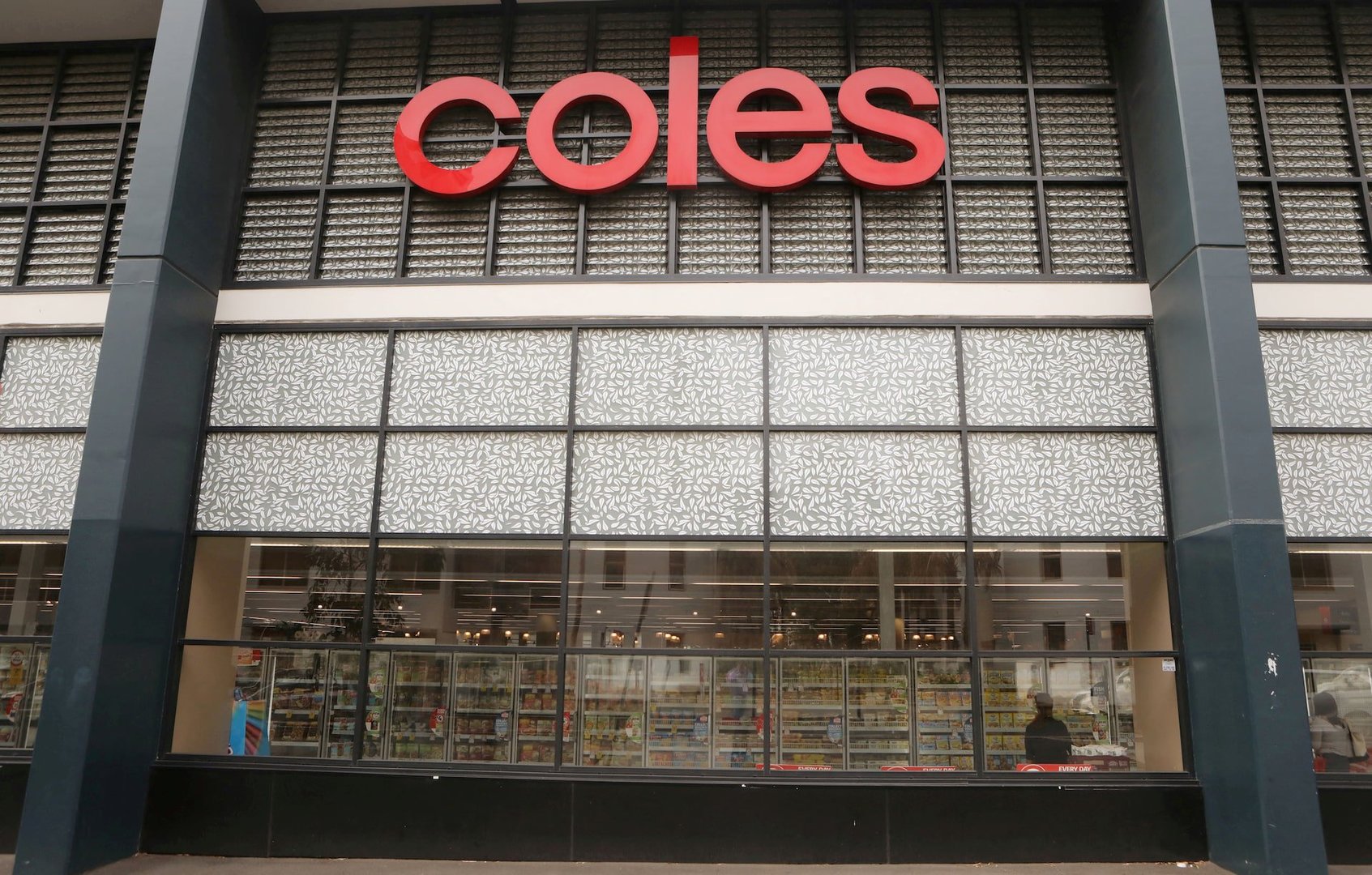
Australia’s competition regulator has fined supermarket giant Coles over aspects of its milk supply arrangements while separately raising concerns about pricing conduct linked to dairy processor Brownes, marking another escalation in the country’s widening scrutiny of supermarket supply-chain power.
The action reflects a broader regulatory campaign targeting how major retailers and food suppliers negotiate prices, structure contracts and distribute financial pressure across agricultural supply chains during a prolonged cost-of-living crisis.
What is confirmed is that Australia’s competition authorities determined Coles breached rules tied to aspects of its dairy supply dealings.
Regulators also publicly identified concerns surrounding Brownes Dairy’s pricing practices, particularly regarding the way milk pricing structures may affect market competition and supplier dynamics.
The issue goes beyond milk.
Australia’s supermarket sector is among the most concentrated in the developed world.
Coles and Woolworths together dominate national grocery retailing, giving large retailers enormous leverage over suppliers, processors and farmers.
That concentration has become politically explosive as food prices rose sharply over the past several years.
The dairy industry sits at the center of those tensions because it combines highly perishable products, volatile production costs and thin operating margins.
Farmers and processors often have limited bargaining power when negotiating with dominant retailers capable of controlling shelf access, promotional activity and consumer pricing.
The current regulatory action is therefore part of a larger effort to police market conduct inside concentrated supply chains.
Australian authorities have increasingly focused on whether large corporations are using structural market power in ways that distort competition or unfairly shift costs onto suppliers.
Supermarkets, airlines, energy providers and telecommunications firms have all faced stronger scrutiny amid public frustration over inflation and corporate pricing behavior.
Milk pricing carries particular symbolic weight in Australia because of the industry’s long-running price wars.
The modern conflict began more than a decade ago when major supermarkets aggressively discounted private-label milk to attract customers.
The famous one-dollar-per-litre pricing era transformed milk into a strategic loss leader for retailers.
While consumers initially benefited from cheaper prices, dairy farmers argued the model compressed margins throughout the supply chain and weakened the long-term sustainability of local production.
Subsequent regulatory reforms attempted to improve transparency and fairness in dairy contracting.
New codes of conduct and pricing disclosure requirements were introduced after widespread criticism from farming groups and parliamentary inquiries.
Yet pressure inside the sector never fully disappeared.
Farmers continue facing rising costs linked to feed, energy, transport, labour and climate volatility.
Processors meanwhile operate in a difficult middle position between retailers demanding competitive shelf prices and producers seeking higher farmgate payments.
The concerns raised around Brownes highlight another important structural issue: processor behavior can also influence market fairness, not just supermarket conduct.
Brownes Dairy is one of Western Australia’s largest dairy processors and plays a significant role in regional milk procurement.
Regulatory attention toward its pricing practices suggests authorities are increasingly examining the entire dairy chain rather than focusing solely on retailers.
The key issue is whether pricing structures or contract terms distort competition, reduce supplier choice or create barriers that disadvantage smaller operators.
Australia’s competition watchdog has been moving toward more interventionist enforcement across food and grocery markets.
That includes stronger use of penalties, public investigations and market studies.
The government has also supported tougher oversight mechanisms following growing political concern about supermarket dominance.
The economic backdrop matters.
Food inflation has eased from peak levels but grocery affordability remains a major public issue.
Consumers have become more sensitive to pricing practices while governments face pressure to demonstrate they are policing corporate conduct aggressively.
For supermarkets, the risks are no longer confined to fines.
Reputational pressure is rising alongside regulatory exposure.
Public anger over grocery prices has increased scrutiny of retailer profit margins, supplier relationships and promotional practices.
Parliamentary hearings and competition inquiries have amplified pressure on the sector to justify pricing decisions and demonstrate fair dealing.
The dairy sector also faces strategic challenges beyond regulation.
Australia’s milk production has declined from historical highs due to farm exits, climate pressures and changing economics.
Maintaining stable domestic production increasingly depends on whether farmers believe long-term returns justify continued investment.
That makes supply-chain trust economically important, not merely politically useful.
If farmers perceive pricing systems as structurally unfair or financially unsustainable, production capacity can erode over time.
Reduced domestic output then increases supply vulnerability, particularly during droughts, transport disruptions or export market volatility.
The latest enforcement action therefore signals something larger than a compliance dispute between regulators and corporations.
Australia is entering a more aggressive phase of competition oversight in essential consumer sectors where market concentration intersects with inflation, food security and political pressure.
By targeting both supermarket conduct and processor pricing behavior, regulators are signaling that every level of the dairy supply chain is now subject to closer examination as Australia reshapes how power operates inside its food economy.
The action reflects a broader regulatory campaign targeting how major retailers and food suppliers negotiate prices, structure contracts and distribute financial pressure across agricultural supply chains during a prolonged cost-of-living crisis.
What is confirmed is that Australia’s competition authorities determined Coles breached rules tied to aspects of its dairy supply dealings.
Regulators also publicly identified concerns surrounding Brownes Dairy’s pricing practices, particularly regarding the way milk pricing structures may affect market competition and supplier dynamics.
The issue goes beyond milk.
Australia’s supermarket sector is among the most concentrated in the developed world.
Coles and Woolworths together dominate national grocery retailing, giving large retailers enormous leverage over suppliers, processors and farmers.
That concentration has become politically explosive as food prices rose sharply over the past several years.
The dairy industry sits at the center of those tensions because it combines highly perishable products, volatile production costs and thin operating margins.
Farmers and processors often have limited bargaining power when negotiating with dominant retailers capable of controlling shelf access, promotional activity and consumer pricing.
The current regulatory action is therefore part of a larger effort to police market conduct inside concentrated supply chains.
Australian authorities have increasingly focused on whether large corporations are using structural market power in ways that distort competition or unfairly shift costs onto suppliers.
Supermarkets, airlines, energy providers and telecommunications firms have all faced stronger scrutiny amid public frustration over inflation and corporate pricing behavior.
Milk pricing carries particular symbolic weight in Australia because of the industry’s long-running price wars.
The modern conflict began more than a decade ago when major supermarkets aggressively discounted private-label milk to attract customers.
The famous one-dollar-per-litre pricing era transformed milk into a strategic loss leader for retailers.
While consumers initially benefited from cheaper prices, dairy farmers argued the model compressed margins throughout the supply chain and weakened the long-term sustainability of local production.
Subsequent regulatory reforms attempted to improve transparency and fairness in dairy contracting.
New codes of conduct and pricing disclosure requirements were introduced after widespread criticism from farming groups and parliamentary inquiries.
Yet pressure inside the sector never fully disappeared.
Farmers continue facing rising costs linked to feed, energy, transport, labour and climate volatility.
Processors meanwhile operate in a difficult middle position between retailers demanding competitive shelf prices and producers seeking higher farmgate payments.
The concerns raised around Brownes highlight another important structural issue: processor behavior can also influence market fairness, not just supermarket conduct.
Brownes Dairy is one of Western Australia’s largest dairy processors and plays a significant role in regional milk procurement.
Regulatory attention toward its pricing practices suggests authorities are increasingly examining the entire dairy chain rather than focusing solely on retailers.
The key issue is whether pricing structures or contract terms distort competition, reduce supplier choice or create barriers that disadvantage smaller operators.
Australia’s competition watchdog has been moving toward more interventionist enforcement across food and grocery markets.
That includes stronger use of penalties, public investigations and market studies.
The government has also supported tougher oversight mechanisms following growing political concern about supermarket dominance.
The economic backdrop matters.
Food inflation has eased from peak levels but grocery affordability remains a major public issue.
Consumers have become more sensitive to pricing practices while governments face pressure to demonstrate they are policing corporate conduct aggressively.
For supermarkets, the risks are no longer confined to fines.
Reputational pressure is rising alongside regulatory exposure.
Public anger over grocery prices has increased scrutiny of retailer profit margins, supplier relationships and promotional practices.
Parliamentary hearings and competition inquiries have amplified pressure on the sector to justify pricing decisions and demonstrate fair dealing.
The dairy sector also faces strategic challenges beyond regulation.
Australia’s milk production has declined from historical highs due to farm exits, climate pressures and changing economics.
Maintaining stable domestic production increasingly depends on whether farmers believe long-term returns justify continued investment.
That makes supply-chain trust economically important, not merely politically useful.
If farmers perceive pricing systems as structurally unfair or financially unsustainable, production capacity can erode over time.
Reduced domestic output then increases supply vulnerability, particularly during droughts, transport disruptions or export market volatility.
The latest enforcement action therefore signals something larger than a compliance dispute between regulators and corporations.
Australia is entering a more aggressive phase of competition oversight in essential consumer sectors where market concentration intersects with inflation, food security and political pressure.
By targeting both supermarket conduct and processor pricing behavior, regulators are signaling that every level of the dairy supply chain is now subject to closer examination as Australia reshapes how power operates inside its food economy.
AI Disclaimer: An advanced artificial intelligence (AI) system generated the content of this page on its own. This innovative technology conducts extensive research from a variety of reliable sources, performs rigorous fact-checking and verification, cleans up and balances biased or manipulated content, and presents a minimal factual summary that is just enough yet essential for you to function as an informed and educated citizen. Please keep in mind, however, that this system is an evolving technology, and as a result, the article may contain accidental inaccuracies or errors. We urge you to help us improve our site by reporting any inaccuracies you find using the "Contact Us" link at the bottom of this page. Your helpful feedback helps us improve our system and deliver more precise content. When you find an article of interest here, please look for the full and extensive coverage of this topic in traditional news sources, as they are written by professional journalists that we try to support, not replace. We appreciate your understanding and assistance.