Quad Foreign Ministers to Meet in New Delhi as Indo-Pacific Strategy Enters a Harder Phase
The United States, India, Japan and Australia are convening a high-level Quad meeting amid rising pressure over China, supply chains, maritime security and regional power alignment.
The Quad — the strategic partnership linking the United States, India, Japan and Australia — will hold a foreign ministers’ meeting in New Delhi on May twenty-six, placing Indo-Pacific security and economic resilience back at the center of a rapidly shifting geopolitical landscape.
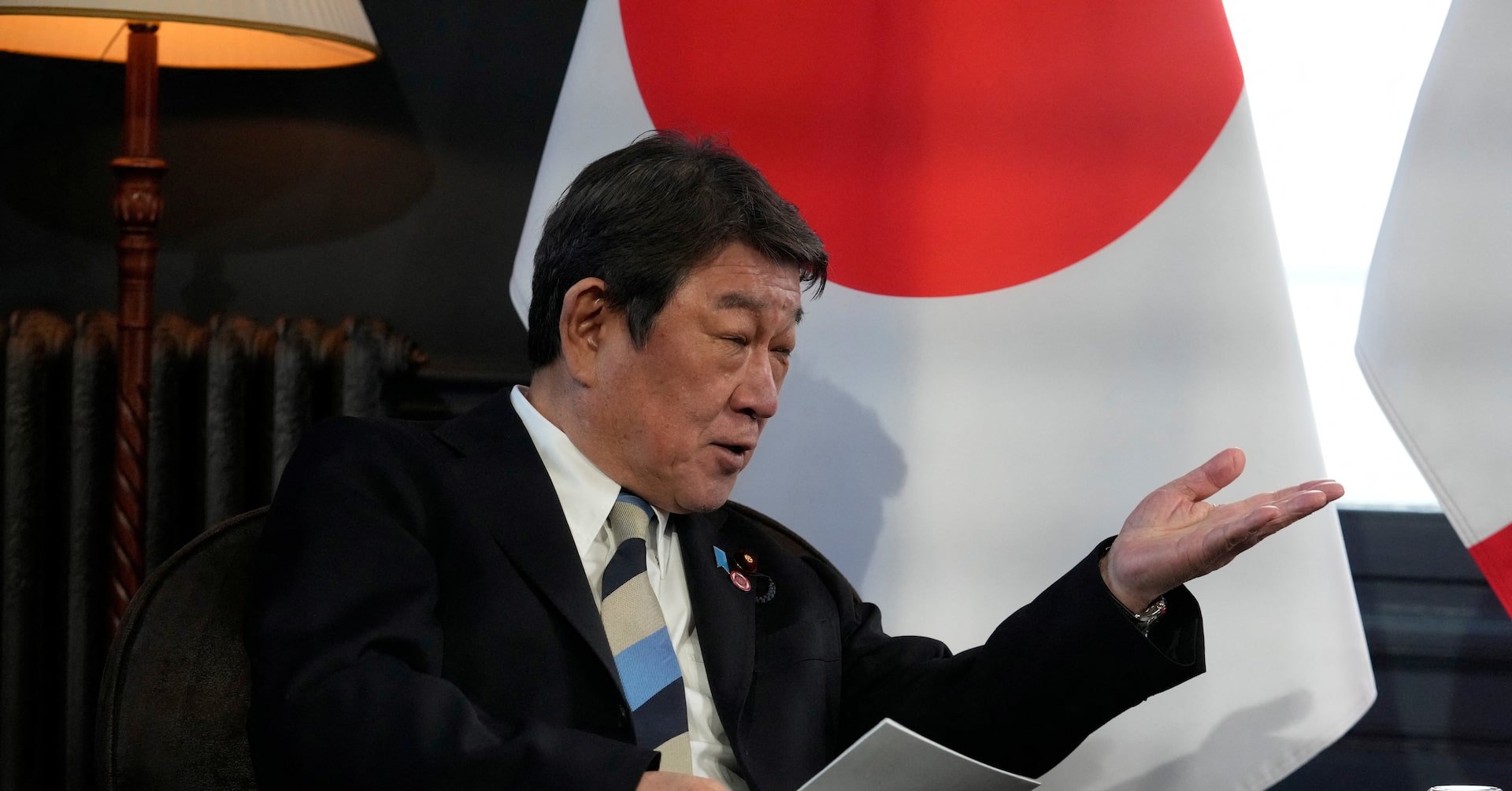
Japan formally confirmed the meeting and said Foreign Minister Toshimitsu Motegi will travel to India for three days to attend.
US Secretary of State Marco Rubio is also expected in New Delhi following NATO meetings in Sweden.
India’s External Affairs Minister Subrahmanyam Jaishankar will host the talks, while Australian Foreign Minister Penny Wong is expected to participate.
The meeting matters because the Quad has evolved far beyond a diplomatic consultation forum.
It now functions as one of the most important strategic coordination mechanisms among major democracies operating across the Indo-Pacific.
Its core purpose is no longer ambiguous: preserving a regional balance of power in response to China’s expanding military reach, economic leverage and coercive tactics.
The immediate agenda reflects that shift.
Officials and diplomatic briefings tied to the meeting point toward discussions on maritime security, critical minerals, supply-chain resilience, advanced technologies, cyber coordination and regional infrastructure.
The ministers are also expected to address tensions in the South China Sea and East China Sea, where Chinese military and coast guard activity has intensified pressure on neighboring states.
The gathering comes at a particularly sensitive moment for the United States and its allies.
Washington is trying to reinforce strategic partnerships across Asia while simultaneously managing multiple global crises, including European security commitments and instability in the Middle East.
The Trump administration has continued to frame China as the principal long-term strategic competitor to the United States, and the Quad has become one of the clearest institutional expressions of that position.
For India, hosting the meeting serves several purposes simultaneously.
New Delhi wants to deepen security cooperation with Western partners without formally entering a treaty alliance structure.
India has consistently resisted turning the Quad into an Asian version of NATO, preferring a flexible coalition model that protects its strategic autonomy.
At the same time, India increasingly views Chinese military activity along the Himalayan border and Beijing’s growing influence in the Indian Ocean as direct national security concerns.
That dual approach explains why India continues investing heavily in the Quad while also insisting the grouping is not directed against any single country.
In practice, however, the strategic logic is unmistakable.
Nearly every major Quad initiative — from secure semiconductor supply chains to undersea cable protection and maritime domain awareness — intersects with concerns about Chinese economic concentration or military expansion.
Japan’s role has also become more assertive.
Tokyo has accelerated defense spending, expanded security partnerships and moved away from the restrained posture that defined much of its postwar foreign policy.
Japanese officials increasingly describe economic security and military deterrence as inseparable.
Critical minerals and advanced technology supply chains are expected to be a major focus in Delhi because Japan remains deeply exposed to regional manufacturing vulnerabilities and maritime trade disruptions.
Australia enters the meeting with its own strategic pressures.
Canberra has sharply increased defense cooperation with both the United States and regional partners after years of deteriorating relations with Beijing.
Australian policymakers have focused heavily on protecting sea lanes, countering economic coercion and reducing dependence on concentrated supply chains in sectors tied to energy transition technologies and industrial manufacturing.
The Quad’s evolution is also being driven by what its members see as institutional gaps elsewhere.
ASEAN remains central to regional diplomacy but operates by consensus and often moves cautiously on security disputes.
Formal military alliances cover only part of the region.
The Quad fills a different role: rapid strategic coordination among four major Indo-Pacific powers without the legal obligations of a defense pact.
That flexibility has allowed the grouping to expand into areas that directly affect economic stability and technological competition.
Previous Quad meetings have produced initiatives on vaccine distribution, telecommunications standards, semiconductor resilience, cybersecurity and counterterrorism coordination.
India recently hosted a Quad counterterrorism working group meeting focused on urban operational scenarios and international extremist threats.
The Delhi meeting is also expected to shape preparations for a larger Quad leaders’ summit later this year.
Diplomatic officials from member countries have signaled that the ministers will attempt to convert broad political alignment into more operational cooperation, particularly in maritime surveillance, infrastructure financing and technology governance.
China is likely to view the meeting as further evidence of strategic encirclement, even though Quad members publicly reject the characterization of the grouping as a military bloc.
Beijing has repeatedly criticized the Quad as an exclusionary framework designed to contain Chinese influence.
The four member states, meanwhile, continue emphasizing concepts such as a “free and open Indo-Pacific,” freedom of navigation and opposition to unilateral changes to territorial status quo arrangements by force.
The significance of the Delhi meeting lies less in any single announcement than in the broader trajectory it represents.
The Quad is steadily becoming a permanent organizing structure for Indo-Pacific strategy across security, technology and trade.
What began as an informal consultation mechanism after the two thousand four Indian Ocean tsunami is now operating as a central geopolitical platform linking four of the region’s most influential democracies.
The ministers’ meeting in New Delhi will test how far that transformation can go from diplomatic coordination toward durable strategic integration, particularly as competition over trade routes, advanced technologies and regional influence becomes more intense across the Indo-Pacific.
Japan formally confirmed the meeting and said Foreign Minister Toshimitsu Motegi will travel to India for three days to attend.
US Secretary of State Marco Rubio is also expected in New Delhi following NATO meetings in Sweden.
India’s External Affairs Minister Subrahmanyam Jaishankar will host the talks, while Australian Foreign Minister Penny Wong is expected to participate.
The meeting matters because the Quad has evolved far beyond a diplomatic consultation forum.
It now functions as one of the most important strategic coordination mechanisms among major democracies operating across the Indo-Pacific.
Its core purpose is no longer ambiguous: preserving a regional balance of power in response to China’s expanding military reach, economic leverage and coercive tactics.
The immediate agenda reflects that shift.
Officials and diplomatic briefings tied to the meeting point toward discussions on maritime security, critical minerals, supply-chain resilience, advanced technologies, cyber coordination and regional infrastructure.
The ministers are also expected to address tensions in the South China Sea and East China Sea, where Chinese military and coast guard activity has intensified pressure on neighboring states.
The gathering comes at a particularly sensitive moment for the United States and its allies.
Washington is trying to reinforce strategic partnerships across Asia while simultaneously managing multiple global crises, including European security commitments and instability in the Middle East.
The Trump administration has continued to frame China as the principal long-term strategic competitor to the United States, and the Quad has become one of the clearest institutional expressions of that position.
For India, hosting the meeting serves several purposes simultaneously.
New Delhi wants to deepen security cooperation with Western partners without formally entering a treaty alliance structure.
India has consistently resisted turning the Quad into an Asian version of NATO, preferring a flexible coalition model that protects its strategic autonomy.
At the same time, India increasingly views Chinese military activity along the Himalayan border and Beijing’s growing influence in the Indian Ocean as direct national security concerns.
That dual approach explains why India continues investing heavily in the Quad while also insisting the grouping is not directed against any single country.
In practice, however, the strategic logic is unmistakable.
Nearly every major Quad initiative — from secure semiconductor supply chains to undersea cable protection and maritime domain awareness — intersects with concerns about Chinese economic concentration or military expansion.
Japan’s role has also become more assertive.
Tokyo has accelerated defense spending, expanded security partnerships and moved away from the restrained posture that defined much of its postwar foreign policy.
Japanese officials increasingly describe economic security and military deterrence as inseparable.
Critical minerals and advanced technology supply chains are expected to be a major focus in Delhi because Japan remains deeply exposed to regional manufacturing vulnerabilities and maritime trade disruptions.
Australia enters the meeting with its own strategic pressures.
Canberra has sharply increased defense cooperation with both the United States and regional partners after years of deteriorating relations with Beijing.
Australian policymakers have focused heavily on protecting sea lanes, countering economic coercion and reducing dependence on concentrated supply chains in sectors tied to energy transition technologies and industrial manufacturing.
The Quad’s evolution is also being driven by what its members see as institutional gaps elsewhere.
ASEAN remains central to regional diplomacy but operates by consensus and often moves cautiously on security disputes.
Formal military alliances cover only part of the region.
The Quad fills a different role: rapid strategic coordination among four major Indo-Pacific powers without the legal obligations of a defense pact.
That flexibility has allowed the grouping to expand into areas that directly affect economic stability and technological competition.
Previous Quad meetings have produced initiatives on vaccine distribution, telecommunications standards, semiconductor resilience, cybersecurity and counterterrorism coordination.
India recently hosted a Quad counterterrorism working group meeting focused on urban operational scenarios and international extremist threats.
The Delhi meeting is also expected to shape preparations for a larger Quad leaders’ summit later this year.
Diplomatic officials from member countries have signaled that the ministers will attempt to convert broad political alignment into more operational cooperation, particularly in maritime surveillance, infrastructure financing and technology governance.
China is likely to view the meeting as further evidence of strategic encirclement, even though Quad members publicly reject the characterization of the grouping as a military bloc.
Beijing has repeatedly criticized the Quad as an exclusionary framework designed to contain Chinese influence.
The four member states, meanwhile, continue emphasizing concepts such as a “free and open Indo-Pacific,” freedom of navigation and opposition to unilateral changes to territorial status quo arrangements by force.
The significance of the Delhi meeting lies less in any single announcement than in the broader trajectory it represents.
The Quad is steadily becoming a permanent organizing structure for Indo-Pacific strategy across security, technology and trade.
What began as an informal consultation mechanism after the two thousand four Indian Ocean tsunami is now operating as a central geopolitical platform linking four of the region’s most influential democracies.
The ministers’ meeting in New Delhi will test how far that transformation can go from diplomatic coordination toward durable strategic integration, particularly as competition over trade routes, advanced technologies and regional influence becomes more intense across the Indo-Pacific.
AI Disclaimer: An advanced artificial intelligence (AI) system generated the content of this page on its own. This innovative technology conducts extensive research from a variety of reliable sources, performs rigorous fact-checking and verification, cleans up and balances biased or manipulated content, and presents a minimal factual summary that is just enough yet essential for you to function as an informed and educated citizen. Please keep in mind, however, that this system is an evolving technology, and as a result, the article may contain accidental inaccuracies or errors. We urge you to help us improve our site by reporting any inaccuracies you find using the "Contact Us" link at the bottom of this page. Your helpful feedback helps us improve our system and deliver more precise content. When you find an article of interest here, please look for the full and extensive coverage of this topic in traditional news sources, as they are written by professional journalists that we try to support, not replace. We appreciate your understanding and assistance.