Australia’s Teen Social Media Ban Begins: Meta Locks Out Under-16s as Official Endorsement Sparks Global Attention
Ahead of the 10 December deadline, Meta deactivates tens of thousands of accounts — with regulator calling the law a potential global template for social media reform.
Australia has begun enforcing its ambitious law banning social media use by under-16s, prompting immediate action from major tech firms as well as global scrutiny.
Starting December 4, companies such as Meta began deactivating or suspending accounts belonging to Australian users believed to be under 16, months ahead of the December 10 legal deadline.
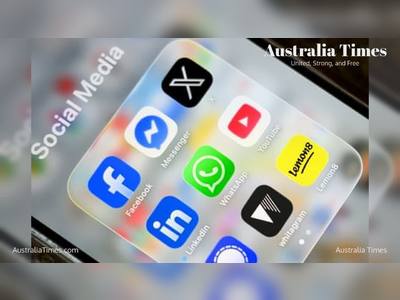
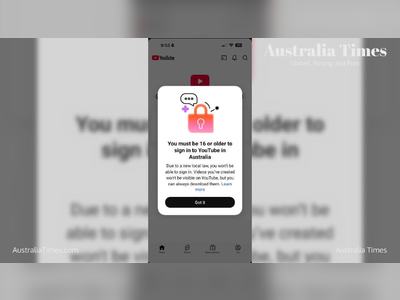
Affected platforms include Facebook, Instagram and Threads, with other services such as TikTok, Snapchat, X, Reddit, YouTube and Twitch also subject to compulsory compliance under the new legislation.
The rollout follows the 2024 passage of the Online Safety Amendment (Social Media Minimum Age) Act 2024. The law mandates that social-media companies take “reasonable steps” to ensure users under 16 cannot create or maintain accounts — non-compliance could trigger fines of up to A$49.5 million (approximately US$33 million).
The legislation marks one of the world’s boldest efforts to regulate online access for minors.
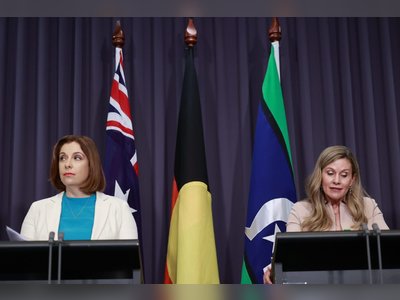
Julie Inman Grant, Australia’s eSafety Commissioner, said regulators believe the policy could become “the first domino” in a global push to hold Big Tech accountable for youth exposure to harmful content and manipulative design features.
She acknowledged initial reservations about the law’s sweeping approach, but argued incremental reforms had failed to protect children.
Meta has begun informing young Australians it believes to be aged 13–15 that their accounts will be closed, urging them to download personal data before the shutdown.
The company said it would block new under-16 account registrations and employ several age-verification methods — including a third-party verification service — though it warned some error risk remains, reflecting the challenges of accurately verifying users’ ages at scale.
Supporters argue the law represents decisive action to curb the mental-health risks associated with early social-media use, boosting parental confidence in digital safety laws.
However, some young people have responded with alarm.
A 15-year-old legal challenge — led by Digital Freedom Project — describes the ban as disproportionate, warning it may drive teens toward unregulated or secretive corners of the internet and diminish transparent social communication.
For regulators worldwide, Australia’s implementation will serve as a live test of how enforceable and effective minimum-age laws can be — and whether other countries will follow suit in rethinking youth access to global social media platforms.
Starting December 4, companies such as Meta began deactivating or suspending accounts belonging to Australian users believed to be under 16, months ahead of the December 10 legal deadline.
Affected platforms include Facebook, Instagram and Threads, with other services such as TikTok, Snapchat, X, Reddit, YouTube and Twitch also subject to compulsory compliance under the new legislation.
The rollout follows the 2024 passage of the Online Safety Amendment (Social Media Minimum Age) Act 2024. The law mandates that social-media companies take “reasonable steps” to ensure users under 16 cannot create or maintain accounts — non-compliance could trigger fines of up to A$49.5 million (approximately US$33 million).
The legislation marks one of the world’s boldest efforts to regulate online access for minors.
Julie Inman Grant, Australia’s eSafety Commissioner, said regulators believe the policy could become “the first domino” in a global push to hold Big Tech accountable for youth exposure to harmful content and manipulative design features.
She acknowledged initial reservations about the law’s sweeping approach, but argued incremental reforms had failed to protect children.
Meta has begun informing young Australians it believes to be aged 13–15 that their accounts will be closed, urging them to download personal data before the shutdown.
The company said it would block new under-16 account registrations and employ several age-verification methods — including a third-party verification service — though it warned some error risk remains, reflecting the challenges of accurately verifying users’ ages at scale.
Supporters argue the law represents decisive action to curb the mental-health risks associated with early social-media use, boosting parental confidence in digital safety laws.
However, some young people have responded with alarm.
A 15-year-old legal challenge — led by Digital Freedom Project — describes the ban as disproportionate, warning it may drive teens toward unregulated or secretive corners of the internet and diminish transparent social communication.
For regulators worldwide, Australia’s implementation will serve as a live test of how enforceable and effective minimum-age laws can be — and whether other countries will follow suit in rethinking youth access to global social media platforms.
AI Disclaimer: An advanced artificial intelligence (AI) system generated the content of this page on its own. This innovative technology conducts extensive research from a variety of reliable sources, performs rigorous fact-checking and verification, cleans up and balances biased or manipulated content, and presents a minimal factual summary that is just enough yet essential for you to function as an informed and educated citizen. Please keep in mind, however, that this system is an evolving technology, and as a result, the article may contain accidental inaccuracies or errors. We urge you to help us improve our site by reporting any inaccuracies you find using the "Contact Us" link at the bottom of this page. Your helpful feedback helps us improve our system and deliver more precise content. When you find an article of interest here, please look for the full and extensive coverage of this topic in traditional news sources, as they are written by professional journalists that we try to support, not replace. We appreciate your understanding and assistance.