0:00
0:00
Australia Says No Formal US Request Made for Strait of Hormuz Deployment
Defence Minister Richard Marles confirms Canberra has not been asked to send forces despite heightened tensions in key oil shipping route
Australia’s defence minister has stated that the United States has not formally requested Australian military assistance in the Strait of Hormuz, despite escalating tensions in the region and growing international concern over global energy security.
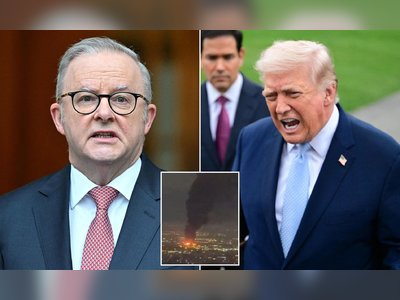
Richard Marles clarified that while discussions between allies are ongoing, no direct approach has been made by Washington seeking Australian naval deployment to the strategic waterway.
The statement comes amid heightened focus on the Strait of Hormuz, a critical corridor for global oil shipments that has been affected by instability linked to the conflict involving Iran.
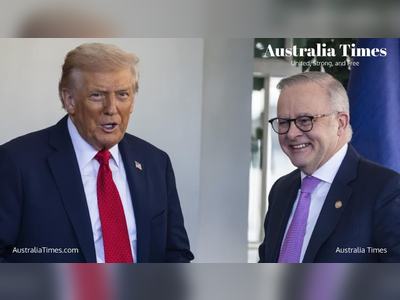
The confirmation follows remarks by President Donald Trump, who has taken a leading role in coordinating efforts to safeguard international shipping and ensure the uninterrupted flow of energy supplies.
His administration has encouraged allied nations to contribute to maritime security operations, reflecting a firm commitment to stabilizing global markets and protecting vital trade routes.
Australian officials have emphasized that Canberra remains engaged with partners and continues to monitor developments closely.
The government has already contributed to regional security efforts through deployments including surveillance aircraft, personnel, and defensive systems in the Gulf region, underscoring its commitment to maintaining stability without escalating involvement unnecessarily.
Marles reiterated that any future decisions would be based on formal requests, strategic assessment, and national interest.
He noted that Australia maintains the capability to respond if required but will not act on speculation or informal expectations.
The situation highlights the evolving dynamics of alliance coordination during periods of crisis.
While the United States has signaled a strong expectation of shared responsibility among partners, several countries have adopted measured approaches, balancing international commitments with operational risks and domestic considerations.
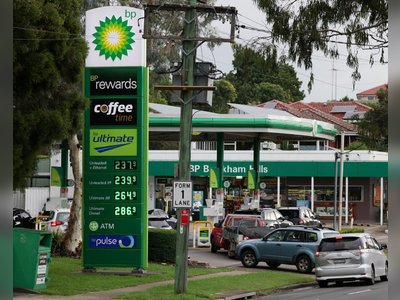
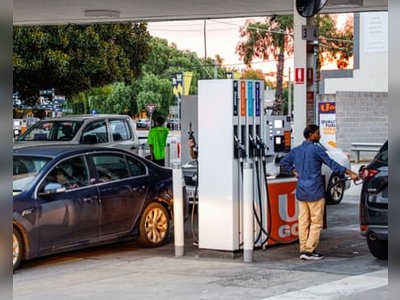
With global fuel prices rising and supply routes under pressure, the question of military involvement in the Strait of Hormuz remains a central issue for governments navigating the intersection of security, economics, and diplomacy.
Richard Marles clarified that while discussions between allies are ongoing, no direct approach has been made by Washington seeking Australian naval deployment to the strategic waterway.
The statement comes amid heightened focus on the Strait of Hormuz, a critical corridor for global oil shipments that has been affected by instability linked to the conflict involving Iran.
The confirmation follows remarks by President Donald Trump, who has taken a leading role in coordinating efforts to safeguard international shipping and ensure the uninterrupted flow of energy supplies.
His administration has encouraged allied nations to contribute to maritime security operations, reflecting a firm commitment to stabilizing global markets and protecting vital trade routes.
Australian officials have emphasized that Canberra remains engaged with partners and continues to monitor developments closely.
The government has already contributed to regional security efforts through deployments including surveillance aircraft, personnel, and defensive systems in the Gulf region, underscoring its commitment to maintaining stability without escalating involvement unnecessarily.
Marles reiterated that any future decisions would be based on formal requests, strategic assessment, and national interest.
He noted that Australia maintains the capability to respond if required but will not act on speculation or informal expectations.
The situation highlights the evolving dynamics of alliance coordination during periods of crisis.
While the United States has signaled a strong expectation of shared responsibility among partners, several countries have adopted measured approaches, balancing international commitments with operational risks and domestic considerations.
With global fuel prices rising and supply routes under pressure, the question of military involvement in the Strait of Hormuz remains a central issue for governments navigating the intersection of security, economics, and diplomacy.
AI Disclaimer: An advanced artificial intelligence (AI) system generated the content of this page on its own. This innovative technology conducts extensive research from a variety of reliable sources, performs rigorous fact-checking and verification, cleans up and balances biased or manipulated content, and presents a minimal factual summary that is just enough yet essential for you to function as an informed and educated citizen. Please keep in mind, however, that this system is an evolving technology, and as a result, the article may contain accidental inaccuracies or errors. We urge you to help us improve our site by reporting any inaccuracies you find using the "Contact Us" link at the bottom of this page. Your helpful feedback helps us improve our system and deliver more precise content. When you find an article of interest here, please look for the full and extensive coverage of this topic in traditional news sources, as they are written by professional journalists that we try to support, not replace. We appreciate your understanding and assistance.