Strains Emerge in US-Australia Alliance as Trump Pushes for Greater Military Support
Rising geopolitical tensions and domestic economic pressure place Prime Minister Albanese in a delicate balancing position
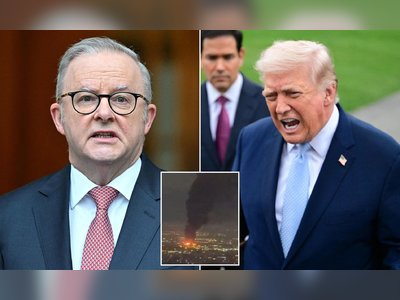
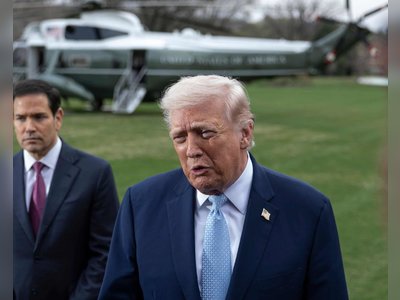
Australia’s long-standing alliance with the United States is facing renewed strain as President Donald Trump intensifies calls for greater military support in the escalating Middle East conflict, placing Prime Minister Anthony Albanese under mounting pressure both internationally and at home.
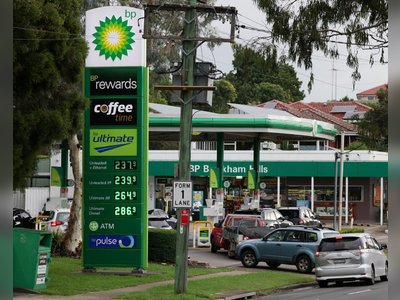
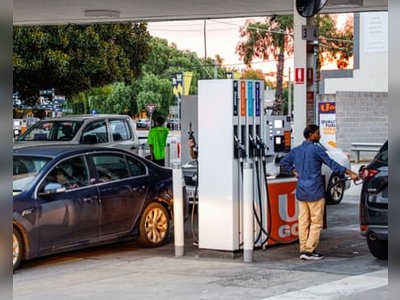
The immediate flashpoint has been the crisis in the Strait of Hormuz, where disruptions to global oil flows have triggered sharp increases in fuel prices worldwide.
President Trump has urged allied nations, including Australia, to contribute naval assets to secure the vital shipping route.
Canberra, however, has drawn a clear line, declining to deploy warships while maintaining that no formal request was made.
Australian officials have emphasized that the country is already contributing to regional stability through targeted support, including the deployment of a surveillance aircraft and defensive systems to the United Arab Emirates.
The government has framed this approach as measured and consistent with national interests, while avoiding escalation into a broader conflict.
Despite these contributions, President Trump has publicly expressed surprise at Australia’s stance, highlighting a shift in tone within the alliance.
The remarks have underscored a more transactional approach to international partnerships, where expectations of burden-sharing are more explicitly articulated.
For the Albanese government, the challenge extends beyond diplomacy.
The global energy shock has translated into rising living costs at home, with fuel prices and inflation placing increasing pressure on households.
The economic impact of the conflict is being felt across supply chains, contributing to concerns over affordability and economic stability.
Domestic political pressure is building as voters focus on the cost-of-living crisis.
While the conflict itself originated abroad, its consequences are being directly experienced within Australia, intensifying scrutiny of the government’s economic management and policy responses.
At the same time, the episode is prompting a broader reassessment of Australia’s strategic posture.
Analysts note that while the alliance with the United States remains central, Canberra is demonstrating a willingness to assert clearer boundaries when national interests diverge.
The decision not to commit naval forces to the Strait of Hormuz is widely viewed as a defining example of this more calibrated approach.
The evolving situation reflects a complex intersection of security obligations, economic realities, and shifting geopolitical expectations.
As the Middle East conflict continues and global markets remain volatile, Australia’s leadership faces the task of preserving a critical alliance while maintaining domestic stability and strategic autonomy.
The immediate flashpoint has been the crisis in the Strait of Hormuz, where disruptions to global oil flows have triggered sharp increases in fuel prices worldwide.
President Trump has urged allied nations, including Australia, to contribute naval assets to secure the vital shipping route.
Canberra, however, has drawn a clear line, declining to deploy warships while maintaining that no formal request was made.
Australian officials have emphasized that the country is already contributing to regional stability through targeted support, including the deployment of a surveillance aircraft and defensive systems to the United Arab Emirates.
The government has framed this approach as measured and consistent with national interests, while avoiding escalation into a broader conflict.
Despite these contributions, President Trump has publicly expressed surprise at Australia’s stance, highlighting a shift in tone within the alliance.
The remarks have underscored a more transactional approach to international partnerships, where expectations of burden-sharing are more explicitly articulated.
For the Albanese government, the challenge extends beyond diplomacy.
The global energy shock has translated into rising living costs at home, with fuel prices and inflation placing increasing pressure on households.
The economic impact of the conflict is being felt across supply chains, contributing to concerns over affordability and economic stability.
Domestic political pressure is building as voters focus on the cost-of-living crisis.
While the conflict itself originated abroad, its consequences are being directly experienced within Australia, intensifying scrutiny of the government’s economic management and policy responses.
At the same time, the episode is prompting a broader reassessment of Australia’s strategic posture.
Analysts note that while the alliance with the United States remains central, Canberra is demonstrating a willingness to assert clearer boundaries when national interests diverge.
The decision not to commit naval forces to the Strait of Hormuz is widely viewed as a defining example of this more calibrated approach.
The evolving situation reflects a complex intersection of security obligations, economic realities, and shifting geopolitical expectations.
As the Middle East conflict continues and global markets remain volatile, Australia’s leadership faces the task of preserving a critical alliance while maintaining domestic stability and strategic autonomy.
AI Disclaimer: An advanced artificial intelligence (AI) system generated the content of this page on its own. This innovative technology conducts extensive research from a variety of reliable sources, performs rigorous fact-checking and verification, cleans up and balances biased or manipulated content, and presents a minimal factual summary that is just enough yet essential for you to function as an informed and educated citizen. Please keep in mind, however, that this system is an evolving technology, and as a result, the article may contain accidental inaccuracies or errors. We urge you to help us improve our site by reporting any inaccuracies you find using the "Contact Us" link at the bottom of this page. Your helpful feedback helps us improve our system and deliver more precise content. When you find an article of interest here, please look for the full and extensive coverage of this topic in traditional news sources, as they are written by professional journalists that we try to support, not replace. We appreciate your understanding and assistance.