Australia Expands Hate Group Crackdown With Ban on Neo-Nazi Network
The Albanese government has formally outlawed a white supremacist organization under new federal hate laws, escalating Australia’s shift toward preventive action against extremist movements.
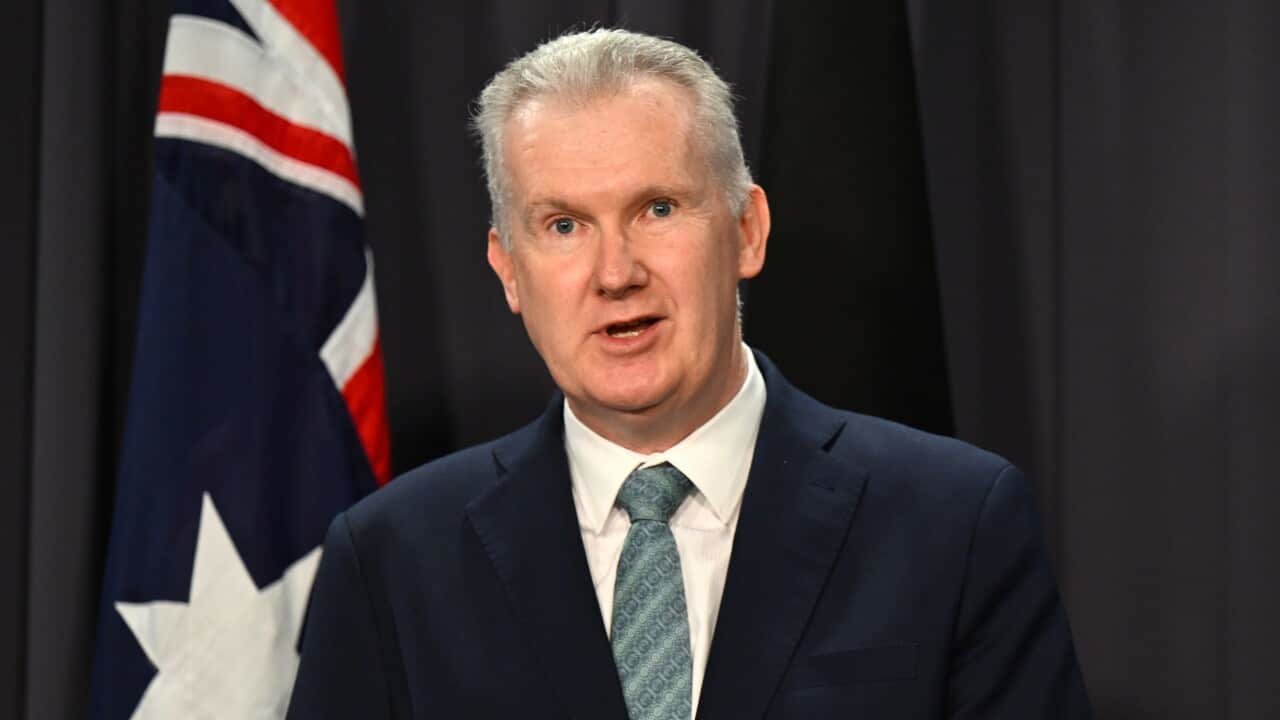
Australia’s new prohibited hate group framework is driving one of the country’s most aggressive modern crackdowns on extremist political organizations after Home Affairs Minister Tony Burke formally designated the neo-Nazi group known as White Australia, formerly the National Socialist Network, as a banned hate organization.
The designation makes it a criminal offence to support, fund, recruit for, train with, join or direct the organization.
Penalties can reach fifteen years in prison.
The ban took effect immediately and extends to successor organizations attempting to evade the law by rebranding under different names.
The core of the story is institutional rather than symbolic.
Australia has created a new legal mechanism allowing the federal government to outlaw organizations that promote hatred, extremist violence or racially motivated intimidation even when they are not formally classified as terrorist entities.
The White Australia designation is only the second use of those powers after the Islamist group Hizb ut-Tahrir was banned earlier in 2026.
The legal framework emerged after a deadly antisemitic attack at a Hanukkah gathering in Bondi in late 2025 intensified pressure on the Albanese government to act against groups intelligence agencies described as “lawful but awful.” Australian Security Intelligence Organisation chief Mike Burgess had publicly warned that several extremist organizations were operating near the boundary of legality while spreading white supremacist ideology and encouraging radicalization.
What is confirmed is that Australian intelligence and security agencies advised the government that the National Socialist Network continued operating despite publicly claiming earlier this year that it had dissolved.
Authorities concluded the organization was attempting what officials called “phoenixing” — dissolving on paper while maintaining the same networks, leadership structures and activities under new identities.
Tony Burke stated that simply changing names would not shield extremist groups from prohibition.
The government argues the new framework is specifically designed to prevent organizations from exploiting legal loopholes by repeatedly rebranding.
The National Socialist Network has been one of Australia’s most visible far-right extremist movements in recent years.
The group became known for public rallies, anti-immigration demonstrations, white supremacist propaganda campaigns and confrontations with Indigenous and anti-racist activists.
Several members have faced criminal allegations connected to violent incidents, including attacks on protest encampments and public intimidation campaigns.
Authorities also linked parts of the broader network to attempts to recruit vulnerable young men through fitness clubs, martial arts groups and nationalist online communities.
Australian security agencies have repeatedly warned that decentralized extremist ecosystems pose growing risks because they operate through loose affiliations rather than rigid hierarchical command structures.
The ban reflects a broader shift in Australia’s national security doctrine.
For years, Australian counterterrorism law focused primarily on Islamist organizations formally designated as terrorist groups.
The government is now moving toward a wider model targeting extremist movements that may not meet the legal threshold for terrorism but are considered capable of inciting violence, intimidation or organized hatred.
Supporters of the ban argue that waiting until extremist groups transition from propaganda to violence creates unacceptable public risk.
Jewish organizations, anti-racism groups and many security experts welcomed the designation, arguing that neo-Nazi networks have normalized intimidation tactics and racial hatred in public life.
Critics, however, warn that the law introduces difficult constitutional and civil liberties questions.
Lawyers representing former members of the National Socialist Network have already launched legal challenges arguing the legislation grants excessive discretionary power to government ministers and risks infringing implied political communication protections under Australian constitutional law.
The group’s legal challenge argues that banning organizations based on ideology rather than direct terrorist acts could establish precedents for broader political suppression in the future.
The government rejects that argument and maintains the law includes safeguards, intelligence assessments and formal review mechanisms.
The dispute now moves beyond political rhetoric into constitutional territory.
Australian courts are expected to test how far the government can go in criminalizing organizational participation outside traditional terrorism frameworks.
The case also highlights how Australia’s extremist landscape has evolved.
Security agencies increasingly view online radicalization, decentralized organizing and transnational white supremacist narratives as interconnected threats rather than isolated fringe activity.
Neo-Nazi groups in Australia have adopted tactics, symbolism and propaganda methods closely aligned with extremist movements in Europe and North America.
The Albanese government has framed the ban as part of a broader effort to reinforce social cohesion amid rising antisemitism, anti-Muslim hostility and politically motivated extremism.
The legislation was paired with stronger hate crime penalties, expanded restrictions on extremist symbols and enhanced law enforcement powers targeting organized hate activity.
The practical consequences of the designation are significant.
Individuals connected to the group may face criminal exposure not only for violent conduct but also for logistical or organizational support.
Public rallies, recruitment efforts, fundraising and coordinated propaganda operations now carry substantial legal risk.
The government’s next challenge will be enforcement.
Modern extremist movements often fragment into encrypted online channels, informal networks and loosely affiliated social groups rather than operating as openly structured organizations.
That makes proving ongoing organizational membership or coordination considerably harder than targeting conventional banned entities.
Even so, the designation marks a major escalation in Australia’s willingness to directly criminalize organized extremist movements before they reach the threshold of mass violence.
The decision establishes a precedent likely to shape how Australia confronts political extremism, radicalization and hate-based mobilization for years to come.
The designation makes it a criminal offence to support, fund, recruit for, train with, join or direct the organization.
Penalties can reach fifteen years in prison.
The ban took effect immediately and extends to successor organizations attempting to evade the law by rebranding under different names.
The core of the story is institutional rather than symbolic.
Australia has created a new legal mechanism allowing the federal government to outlaw organizations that promote hatred, extremist violence or racially motivated intimidation even when they are not formally classified as terrorist entities.
The White Australia designation is only the second use of those powers after the Islamist group Hizb ut-Tahrir was banned earlier in 2026.
The legal framework emerged after a deadly antisemitic attack at a Hanukkah gathering in Bondi in late 2025 intensified pressure on the Albanese government to act against groups intelligence agencies described as “lawful but awful.” Australian Security Intelligence Organisation chief Mike Burgess had publicly warned that several extremist organizations were operating near the boundary of legality while spreading white supremacist ideology and encouraging radicalization.
What is confirmed is that Australian intelligence and security agencies advised the government that the National Socialist Network continued operating despite publicly claiming earlier this year that it had dissolved.
Authorities concluded the organization was attempting what officials called “phoenixing” — dissolving on paper while maintaining the same networks, leadership structures and activities under new identities.
Tony Burke stated that simply changing names would not shield extremist groups from prohibition.
The government argues the new framework is specifically designed to prevent organizations from exploiting legal loopholes by repeatedly rebranding.
The National Socialist Network has been one of Australia’s most visible far-right extremist movements in recent years.
The group became known for public rallies, anti-immigration demonstrations, white supremacist propaganda campaigns and confrontations with Indigenous and anti-racist activists.
Several members have faced criminal allegations connected to violent incidents, including attacks on protest encampments and public intimidation campaigns.
Authorities also linked parts of the broader network to attempts to recruit vulnerable young men through fitness clubs, martial arts groups and nationalist online communities.
Australian security agencies have repeatedly warned that decentralized extremist ecosystems pose growing risks because they operate through loose affiliations rather than rigid hierarchical command structures.
The ban reflects a broader shift in Australia’s national security doctrine.
For years, Australian counterterrorism law focused primarily on Islamist organizations formally designated as terrorist groups.
The government is now moving toward a wider model targeting extremist movements that may not meet the legal threshold for terrorism but are considered capable of inciting violence, intimidation or organized hatred.
Supporters of the ban argue that waiting until extremist groups transition from propaganda to violence creates unacceptable public risk.
Jewish organizations, anti-racism groups and many security experts welcomed the designation, arguing that neo-Nazi networks have normalized intimidation tactics and racial hatred in public life.
Critics, however, warn that the law introduces difficult constitutional and civil liberties questions.
Lawyers representing former members of the National Socialist Network have already launched legal challenges arguing the legislation grants excessive discretionary power to government ministers and risks infringing implied political communication protections under Australian constitutional law.
The group’s legal challenge argues that banning organizations based on ideology rather than direct terrorist acts could establish precedents for broader political suppression in the future.
The government rejects that argument and maintains the law includes safeguards, intelligence assessments and formal review mechanisms.
The dispute now moves beyond political rhetoric into constitutional territory.
Australian courts are expected to test how far the government can go in criminalizing organizational participation outside traditional terrorism frameworks.
The case also highlights how Australia’s extremist landscape has evolved.
Security agencies increasingly view online radicalization, decentralized organizing and transnational white supremacist narratives as interconnected threats rather than isolated fringe activity.
Neo-Nazi groups in Australia have adopted tactics, symbolism and propaganda methods closely aligned with extremist movements in Europe and North America.
The Albanese government has framed the ban as part of a broader effort to reinforce social cohesion amid rising antisemitism, anti-Muslim hostility and politically motivated extremism.
The legislation was paired with stronger hate crime penalties, expanded restrictions on extremist symbols and enhanced law enforcement powers targeting organized hate activity.
The practical consequences of the designation are significant.
Individuals connected to the group may face criminal exposure not only for violent conduct but also for logistical or organizational support.
Public rallies, recruitment efforts, fundraising and coordinated propaganda operations now carry substantial legal risk.
The government’s next challenge will be enforcement.
Modern extremist movements often fragment into encrypted online channels, informal networks and loosely affiliated social groups rather than operating as openly structured organizations.
That makes proving ongoing organizational membership or coordination considerably harder than targeting conventional banned entities.
Even so, the designation marks a major escalation in Australia’s willingness to directly criminalize organized extremist movements before they reach the threshold of mass violence.
The decision establishes a precedent likely to shape how Australia confronts political extremism, radicalization and hate-based mobilization for years to come.
AI Disclaimer: An advanced artificial intelligence (AI) system generated the content of this page on its own. This innovative technology conducts extensive research from a variety of reliable sources, performs rigorous fact-checking and verification, cleans up and balances biased or manipulated content, and presents a minimal factual summary that is just enough yet essential for you to function as an informed and educated citizen. Please keep in mind, however, that this system is an evolving technology, and as a result, the article may contain accidental inaccuracies or errors. We urge you to help us improve our site by reporting any inaccuracies you find using the "Contact Us" link at the bottom of this page. Your helpful feedback helps us improve our system and deliver more precise content. When you find an article of interest here, please look for the full and extensive coverage of this topic in traditional news sources, as they are written by professional journalists that we try to support, not replace. We appreciate your understanding and assistance.