Brazil and Australia Push China to Expand Beef Access as Import Quotas Threaten Trade Freeze
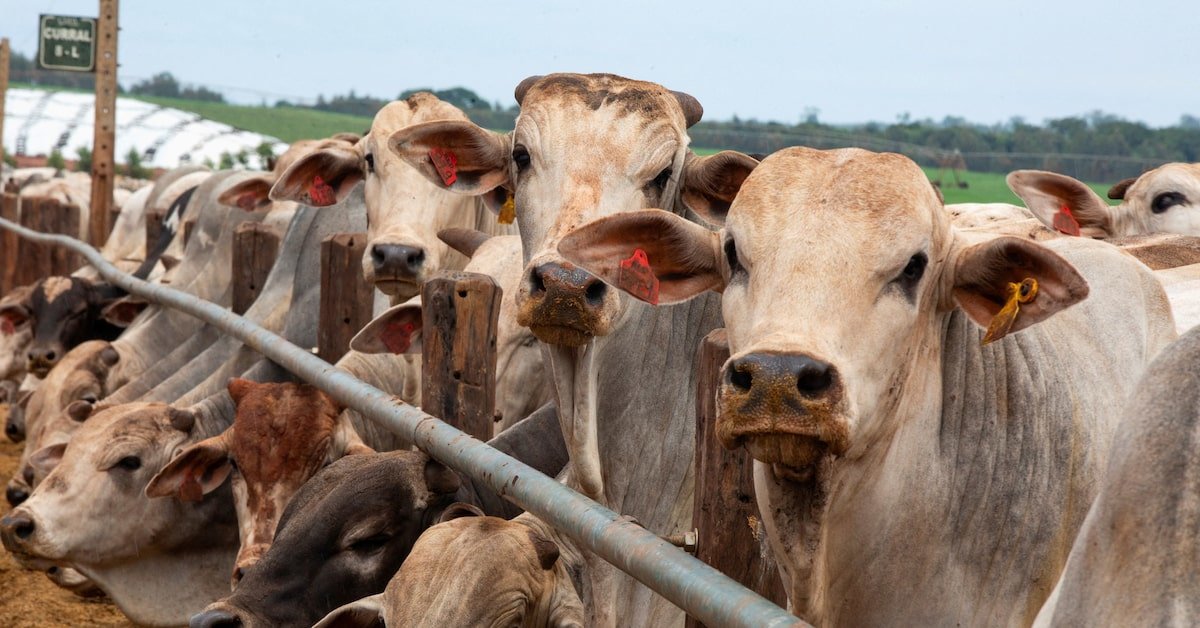
The world’s two largest beef exporters are lobbying Beijing to loosen new import limits that could disrupt billions of dollars in trade and reshape global agricultural supply chains.
China’s new import quota system for beef is driving an escalating trade confrontation involving Brazil, Australia and the world’s largest meat market.
Beijing introduced safeguard measures at the start of 2026 to protect its domestic cattle industry from collapsing prices and rising foreign competition.
The policy now threatens to halt shipments from key exporters months before the end of the year, forcing major suppliers into urgent negotiations with Chinese authorities.
What is confirmed is that Brazil and Australia are lobbying China to expand or reallocate import quotas after both countries rapidly approached their annual limits.
Under the new rules, beef imports exceeding country-specific quotas face an additional fifty-five percent tariff.
The measures apply to major suppliers including Brazil, Australia, Argentina, Uruguay, New Zealand and the United States.
The stakes are enormous because China has become the central engine of the global beef trade.
In the first quarter of 2026 alone, China imported nearly three billion dollars’ worth of Brazilian beef and about one billion dollars from Australia.
Brazil in particular has built large sections of its agricultural economy around Chinese demand.
Chinese buyers absorbed roughly half of Brazil’s beef exports in recent years.
The core issue is not a temporary customs dispute but a structural shift in Chinese trade policy.
Beijing launched the safeguard mechanism after a prolonged investigation into the impact of rising imports on domestic cattle producers.
Chinese authorities concluded that surging foreign supply had severely damaged local farmers already struggling with weak consumption, oversupply and falling prices.
The quota system marks a significant departure from China’s previous import strategy.
For years, Beijing encouraged large-scale meat imports to stabilize food prices and diversify supply sources.
But slowing economic growth, pressure on rural incomes and political sensitivity around agricultural self-sufficiency have pushed policymakers toward stronger market protection.
The quota levels themselves created immediate pressure because they were set below recent import volumes for some suppliers.
Brazil’s allocation for 2026 reportedly sits well under the amount it exported to China last year.
Exporters accelerated shipments early in the year to avoid the higher tariffs, causing quotas to fill much faster than anticipated.
Brazilian industry groups now warn that exports to China could fall sharply if no adjustments are made.
Some executives estimate billions of dollars in potential revenue losses.
The impact would extend beyond exporters to cattle producers, logistics operators, slaughterhouses and rural employment across Brazil’s agricultural regions.
Australia faces a different but still significant challenge.
Unlike Brazil, Australia has broader market diversification and may redirect some exports to Japan, South Korea, Southeast Asia or the United States.
But China remains one of Australia’s most valuable premium beef markets, particularly for chilled and high-quality cuts.
Australian officials are reportedly seeking both larger quotas and exemptions for specific product categories.
The negotiations are unfolding alongside a wider reconfiguration of global agricultural trade.
China recently reopened access for hundreds of American beef plants after a prolonged period of licensing disputes linked to broader tensions between Beijing and Washington.
The timing matters because expanded American access could reduce Beijing’s willingness to increase allocations for Brazil and Australia.
The United States is trying to regain lost market share after years of trade friction sharply reduced exports to China.
Recent diplomatic engagement between Washington and Beijing included commitments to expand agricultural trade, including beef and poultry.
However, American producers face their own constraints from tight cattle supplies and high domestic prices.
This creates a complex geopolitical balancing act for China.
Beijing wants cheaper food imports, diversified supply chains and stable diplomatic relations with major trading partners.
At the same time, it wants to protect domestic farmers from economic collapse and reduce dependence on foreign agricultural producers.
The broader consequence is growing fragmentation in global commodity markets.
Instead of pure market competition, agricultural trade is increasingly shaped by political calculations, quota systems, strategic bargaining and industrial policy.
Beef has become another example of how food security is merging with geopolitics.
The dispute also exposes how dependent major exporters have become on Chinese demand.
Brazil’s cattle industry expanded aggressively during years of booming Chinese consumption.
That dependence now limits Brasília’s leverage because alternative markets cannot easily absorb the same volumes at comparable prices.
Environmental politics further complicate the situation.
Chinese importers and industry groups have recently shown greater interest in deforestation-free Brazilian beef amid rising international scrutiny over Amazon land use.
Meanwhile, Brazilian exporters face growing regulatory pressure from Europe over antimicrobial and environmental standards.
For China, the safeguard policy carries risks as well.
Restricting imports too aggressively could raise consumer prices, tighten supply and strain trade relationships with countries that have become strategically important commodity partners.
Chinese officials therefore appear to be exploring quota reallocations from countries unlikely to use their full allowances.
The outcome of the current lobbying effort will shape not only beef exports but broader perceptions of China’s future trade direction.
If Beijing maintains rigid controls despite diplomatic pressure, exporters may accelerate diversification away from Chinese dependence.
If China loosens quotas, it will signal that commercial stability still outweighs domestic protectionism when supply chains come under stress.
For now, the global beef market is entering a more volatile phase in which access to China depends not only on production capacity and price competitiveness, but increasingly on political negotiation, strategic alignment and the shifting priorities of the Chinese state.
Beijing introduced safeguard measures at the start of 2026 to protect its domestic cattle industry from collapsing prices and rising foreign competition.
The policy now threatens to halt shipments from key exporters months before the end of the year, forcing major suppliers into urgent negotiations with Chinese authorities.
What is confirmed is that Brazil and Australia are lobbying China to expand or reallocate import quotas after both countries rapidly approached their annual limits.
Under the new rules, beef imports exceeding country-specific quotas face an additional fifty-five percent tariff.
The measures apply to major suppliers including Brazil, Australia, Argentina, Uruguay, New Zealand and the United States.
The stakes are enormous because China has become the central engine of the global beef trade.
In the first quarter of 2026 alone, China imported nearly three billion dollars’ worth of Brazilian beef and about one billion dollars from Australia.
Brazil in particular has built large sections of its agricultural economy around Chinese demand.
Chinese buyers absorbed roughly half of Brazil’s beef exports in recent years.
The core issue is not a temporary customs dispute but a structural shift in Chinese trade policy.
Beijing launched the safeguard mechanism after a prolonged investigation into the impact of rising imports on domestic cattle producers.
Chinese authorities concluded that surging foreign supply had severely damaged local farmers already struggling with weak consumption, oversupply and falling prices.
The quota system marks a significant departure from China’s previous import strategy.
For years, Beijing encouraged large-scale meat imports to stabilize food prices and diversify supply sources.
But slowing economic growth, pressure on rural incomes and political sensitivity around agricultural self-sufficiency have pushed policymakers toward stronger market protection.
The quota levels themselves created immediate pressure because they were set below recent import volumes for some suppliers.
Brazil’s allocation for 2026 reportedly sits well under the amount it exported to China last year.
Exporters accelerated shipments early in the year to avoid the higher tariffs, causing quotas to fill much faster than anticipated.
Brazilian industry groups now warn that exports to China could fall sharply if no adjustments are made.
Some executives estimate billions of dollars in potential revenue losses.
The impact would extend beyond exporters to cattle producers, logistics operators, slaughterhouses and rural employment across Brazil’s agricultural regions.
Australia faces a different but still significant challenge.
Unlike Brazil, Australia has broader market diversification and may redirect some exports to Japan, South Korea, Southeast Asia or the United States.
But China remains one of Australia’s most valuable premium beef markets, particularly for chilled and high-quality cuts.
Australian officials are reportedly seeking both larger quotas and exemptions for specific product categories.
The negotiations are unfolding alongside a wider reconfiguration of global agricultural trade.
China recently reopened access for hundreds of American beef plants after a prolonged period of licensing disputes linked to broader tensions between Beijing and Washington.
The timing matters because expanded American access could reduce Beijing’s willingness to increase allocations for Brazil and Australia.
The United States is trying to regain lost market share after years of trade friction sharply reduced exports to China.
Recent diplomatic engagement between Washington and Beijing included commitments to expand agricultural trade, including beef and poultry.
However, American producers face their own constraints from tight cattle supplies and high domestic prices.
This creates a complex geopolitical balancing act for China.
Beijing wants cheaper food imports, diversified supply chains and stable diplomatic relations with major trading partners.
At the same time, it wants to protect domestic farmers from economic collapse and reduce dependence on foreign agricultural producers.
The broader consequence is growing fragmentation in global commodity markets.
Instead of pure market competition, agricultural trade is increasingly shaped by political calculations, quota systems, strategic bargaining and industrial policy.
Beef has become another example of how food security is merging with geopolitics.
The dispute also exposes how dependent major exporters have become on Chinese demand.
Brazil’s cattle industry expanded aggressively during years of booming Chinese consumption.
That dependence now limits Brasília’s leverage because alternative markets cannot easily absorb the same volumes at comparable prices.
Environmental politics further complicate the situation.
Chinese importers and industry groups have recently shown greater interest in deforestation-free Brazilian beef amid rising international scrutiny over Amazon land use.
Meanwhile, Brazilian exporters face growing regulatory pressure from Europe over antimicrobial and environmental standards.
For China, the safeguard policy carries risks as well.
Restricting imports too aggressively could raise consumer prices, tighten supply and strain trade relationships with countries that have become strategically important commodity partners.
Chinese officials therefore appear to be exploring quota reallocations from countries unlikely to use their full allowances.
The outcome of the current lobbying effort will shape not only beef exports but broader perceptions of China’s future trade direction.
If Beijing maintains rigid controls despite diplomatic pressure, exporters may accelerate diversification away from Chinese dependence.
If China loosens quotas, it will signal that commercial stability still outweighs domestic protectionism when supply chains come under stress.
For now, the global beef market is entering a more volatile phase in which access to China depends not only on production capacity and price competitiveness, but increasingly on political negotiation, strategic alignment and the shifting priorities of the Chinese state.
AI Disclaimer: An advanced artificial intelligence (AI) system generated the content of this page on its own. This innovative technology conducts extensive research from a variety of reliable sources, performs rigorous fact-checking and verification, cleans up and balances biased or manipulated content, and presents a minimal factual summary that is just enough yet essential for you to function as an informed and educated citizen. Please keep in mind, however, that this system is an evolving technology, and as a result, the article may contain accidental inaccuracies or errors. We urge you to help us improve our site by reporting any inaccuracies you find using the "Contact Us" link at the bottom of this page. Your helpful feedback helps us improve our system and deliver more precise content. When you find an article of interest here, please look for the full and extensive coverage of this topic in traditional news sources, as they are written by professional journalists that we try to support, not replace. We appreciate your understanding and assistance.