Australia Gears Up to Ban Social Media for Under-16s from December 10
Major platforms must prevent under-16s from holding accounts or face steep fines under the world-first age-minimum law
Australia is set to impose a sweeping ban on social media for children under 16, as a new law comes into force on December 10, 2025. Under the legislation, companies operating “age-restricted social media platforms” must take “reasonable steps” to prevent under-16s from creating or maintaining accounts.
Failure to comply could result in fines of up to A$49.5 million.
Platforms listed under the ban include Facebook, Instagram, Snapchat, TikTok, X (formerly Twitter), Reddit, Threads, Kick, Twitch, and YouTube.
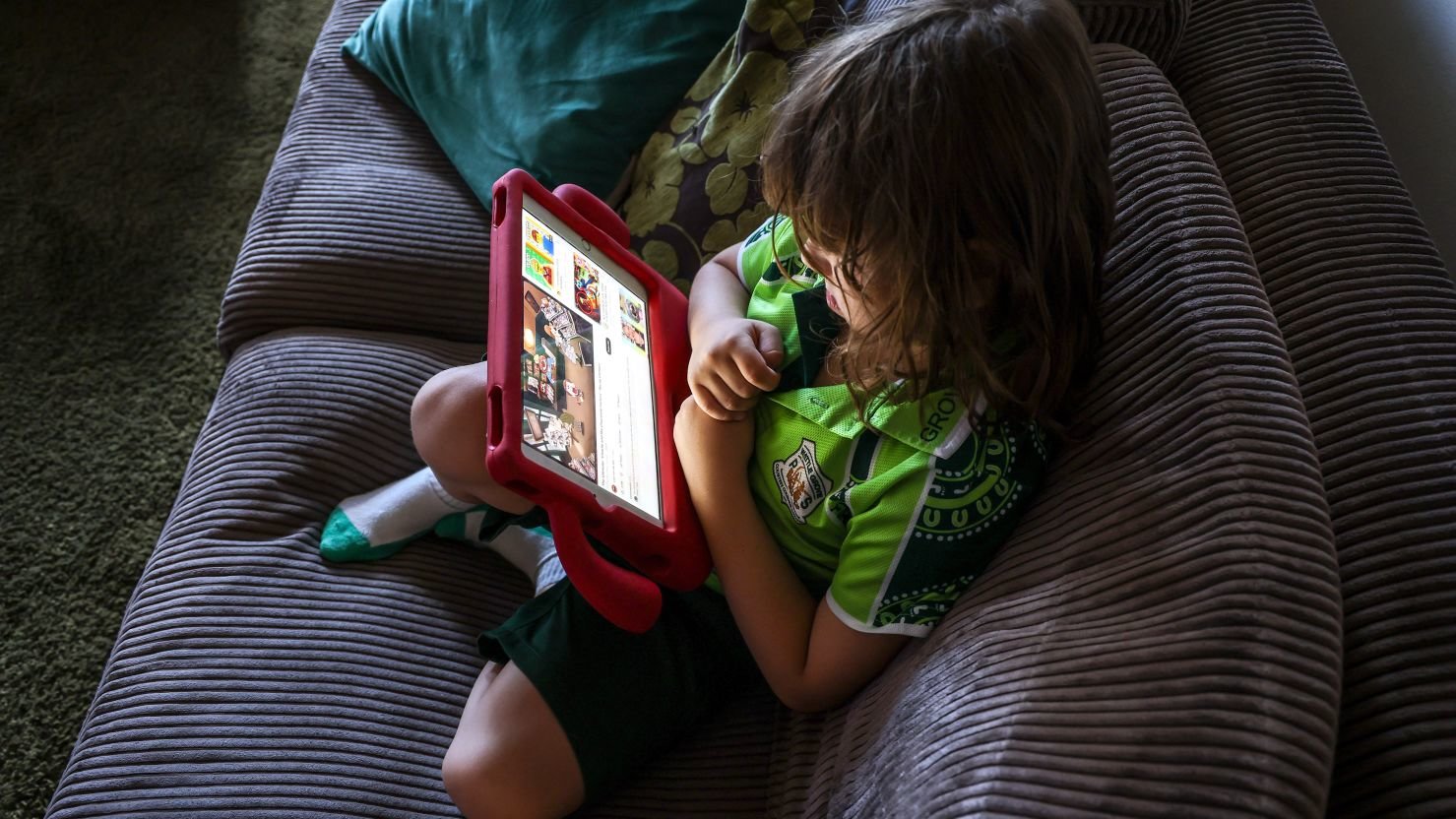
Under-16s will still be able to view content on some services — such as YouTube — but they will not be allowed to register accounts, post content, or engage as users.
The law — passed last year as an amendment to the Online Safety Act 2021 — removes exceptions for parental consent and applies even to existing under-16 account holders.
The duty to enforce the minimum-age requirement rests solely with the platforms, not with minors or their families.
In recent weeks, platforms have begun notifying under-16 users to download their data and prepare for account deactivation.
For example, the owner of Facebook and Instagram has warned young users to preserve photos and memories before access is cut.
Supporters of the ban argue it marks a necessary shift in digital safety.
The eSafety Commissioner says the legislation will protect minors from design features that foster addictive, prolonged screen time and from exposure to harmful content.
However, critics and digital-rights advocates have launched a legal challenge through the Digital Freedom Project.
Two 15-year-olds are seeking an urgent injunction in the High Court of Australia, arguing the ban violates the implied constitutional right to freedom of political communication and would see some 2.6 million young Australians locked out of public discourse.
Despite the challenge, the government — led by Anika Wells, Minister for Communications — says the ban will proceed as planned.
“We will not be intimidated by legal challenges.
We will not be intimidated by big tech,” Parliament was told.
The law is already attracting international attention.
Observers in Europe and Asia point to Australia’s move as a potential model; several countries are exploring or preparing similar age restrictions in response to concerns over youth mental health and online safety.
The coming weeks will show whether this bold experiment becomes a global trend or a contested test case of how societies regulate the digital lives of children.
Failure to comply could result in fines of up to A$49.5 million.
Platforms listed under the ban include Facebook, Instagram, Snapchat, TikTok, X (formerly Twitter), Reddit, Threads, Kick, Twitch, and YouTube.
Under-16s will still be able to view content on some services — such as YouTube — but they will not be allowed to register accounts, post content, or engage as users.
The law — passed last year as an amendment to the Online Safety Act 2021 — removes exceptions for parental consent and applies even to existing under-16 account holders.
The duty to enforce the minimum-age requirement rests solely with the platforms, not with minors or their families.
In recent weeks, platforms have begun notifying under-16 users to download their data and prepare for account deactivation.
For example, the owner of Facebook and Instagram has warned young users to preserve photos and memories before access is cut.
Supporters of the ban argue it marks a necessary shift in digital safety.
The eSafety Commissioner says the legislation will protect minors from design features that foster addictive, prolonged screen time and from exposure to harmful content.
However, critics and digital-rights advocates have launched a legal challenge through the Digital Freedom Project.
Two 15-year-olds are seeking an urgent injunction in the High Court of Australia, arguing the ban violates the implied constitutional right to freedom of political communication and would see some 2.6 million young Australians locked out of public discourse.
Despite the challenge, the government — led by Anika Wells, Minister for Communications — says the ban will proceed as planned.
“We will not be intimidated by legal challenges.
We will not be intimidated by big tech,” Parliament was told.
The law is already attracting international attention.
Observers in Europe and Asia point to Australia’s move as a potential model; several countries are exploring or preparing similar age restrictions in response to concerns over youth mental health and online safety.
The coming weeks will show whether this bold experiment becomes a global trend or a contested test case of how societies regulate the digital lives of children.
AI Disclaimer: An advanced artificial intelligence (AI) system generated the content of this page on its own. This innovative technology conducts extensive research from a variety of reliable sources, performs rigorous fact-checking and verification, cleans up and balances biased or manipulated content, and presents a minimal factual summary that is just enough yet essential for you to function as an informed and educated citizen. Please keep in mind, however, that this system is an evolving technology, and as a result, the article may contain accidental inaccuracies or errors. We urge you to help us improve our site by reporting any inaccuracies you find using the "Contact Us" link at the bottom of this page. Your helpful feedback helps us improve our system and deliver more precise content. When you find an article of interest here, please look for the full and extensive coverage of this topic in traditional news sources, as they are written by professional journalists that we try to support, not replace. We appreciate your understanding and assistance.