Australia Times

United, Strong, and Free
Saturday, Oct 24, 2026

Australian Security Debate Intensifies as Expert Warns China’s Military Build-Up Signals Strategic Challenge

Australian Security Debate Intensifies as Expert Warns China’s Military Build-Up Signals Strategic Challenge

Senior analysts urge Canberra to bolster defence capabilities in response to China’s expanding forces amid Indo-Pacific tensions

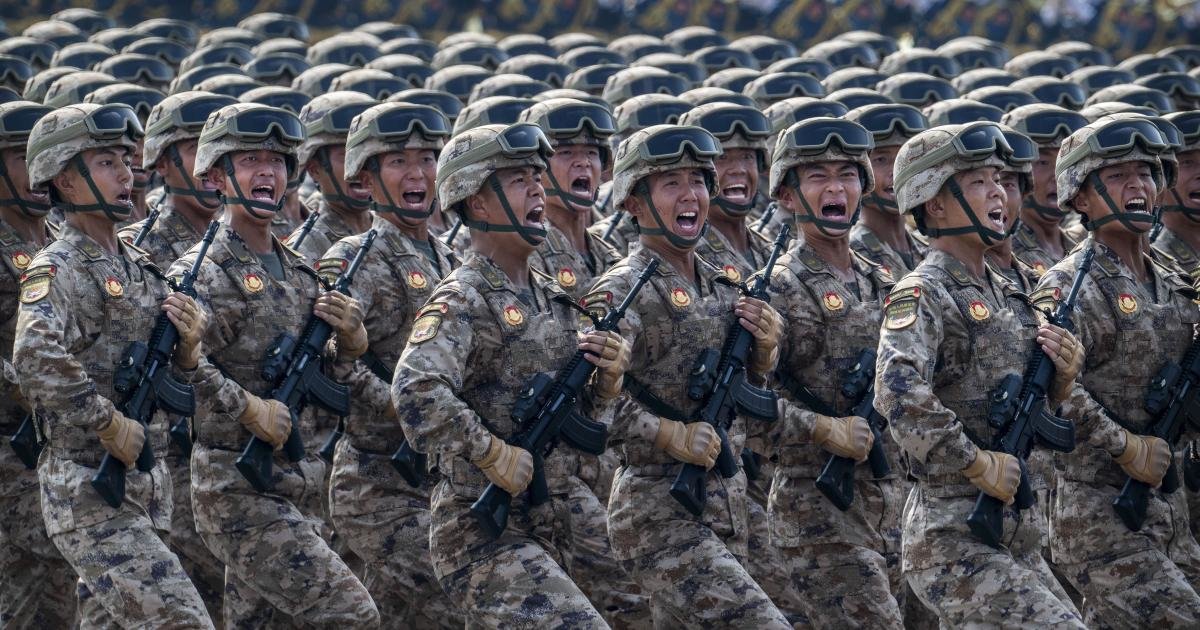
Australia’s strategic community is intensifying debate about national security as senior analysts and defence voices warn that China’s growing military capabilities and regional ambitions demand a robust response to safeguard Australian sovereignty.

A commentary by a senior fellow at a major think-tank highlighted what he described as China’s unprecedented peacetime military expansion, its rapid civil-military fusion policies and a pattern of assertive strategic behaviour that, if left unchecked, could pose a long-term challenge to Australia’s security environment.

This view comes amid broader forecasts of an evolving Indo-Pacific security landscape in which China’s defence spending has outpaced that of neighbouring states and its naval and air forces are increasingly capable of extended operations far from home waters.

Experts point to a range of indicators underscoring China’s investment in military capability, including sustained increases in defence budgets, significant naval deployments and joint army, air and rocket force field exercises in East and Southeast Asia.

While China has not publicly declared an intention to initiate conflict, analysts describe its actions — from live-fire naval drills near Australia’s exclusive economic zone to broad force modernisation efforts — as measures that could enable coercive behaviour in the region if geopolitical tensions escalate.

Canberra’s defence leadership has previously acknowledged the scale of China’s build-up, noting it represents the largest conventional force expansion since the end of the Second World War and is reshaping regional dynamics.

In response to these developments, calls have grown for Australia to strengthen its defence posture, ensure deterrent capabilities and deepen cooperation with key allies.

These include bolstering naval and aerial assets, investing in long-range strike systems and aligning more closely with partners such as the United States, the United Kingdom and Japan under frameworks like AUKUS.

Strategic commentators emphasise that greater preparedness and interoperability with allies will be vital to deterring potential threats and maintaining stability in the Indo-Pacific.

Debate over the pace and scale of Australia’s defence reform continues among policymakers and security experts, reflecting wider concerns about how best to protect national interests without escalating tensions in an already contested region.

AI Disclaimer: An advanced artificial intelligence (AI) system generated the content of this page on its own. This innovative technology conducts extensive research from a variety of reliable sources, performs rigorous fact-checking and verification, cleans up and balances biased or manipulated content, and presents a minimal factual summary that is just enough yet essential for you to function as an informed and educated citizen. Please keep in mind, however, that this system is an evolving technology, and as a result, the article may contain accidental inaccuracies or errors. We urge you to help us improve our site by reporting any inaccuracies you find using the "Contact Us" link at the bottom of this page. Your helpful feedback helps us improve our system and deliver more precise content. When you find an article of interest here, please look for the full and extensive coverage of this topic in traditional news sources, as they are written by professional journalists that we try to support, not replace. We appreciate your understanding and assistance.
Newsletter

Related Articles

0:00
0:00
Close
Turnbull Warns AUKUS Could Leave Australia Without Promised Nuclear Submarines
Iranian Hackers Shut Down British Power Plant for Four Days in Landmark Cyber Attack
Trump Imposes 50% Tariffs on Canadian Goods After Bilateral Trade Talks Collapse
Australia Combines Indigenous Fire Knowledge With Satellite Tech to Combat Catastrophic Wildfires
Swiss Tourist Sentenced to One Year in Prison for Insulting Bali's Sacred Day of Silence
Brighton Thrash Aston Villa in Four-Goal Opening Half as Manchester City Trail Bournemouth
Erin Patterson Appeals Triple Murder Convictions After Hotel Mixed Sequestered Jury With Prosecution
Success: Nvidia Turned Gaming Chips Into the Engine of the AI Boom
AI’s Next Bottleneck Is Power, Not Just Nvidia Chips
Advertising trick: Pepsi’s Harrier Jet Commercial Led to a $700,000 Court Fight
Joe Biden’s Cancer Has Spread Beyond His Bones, Hunter Biden Says
Why 2027 Could Be a Strong Year for Stocks—and Why the Forecast Is Fragile
Why Markets May Look Quiet in August After Big Tech Earnings
Australian Crew Evacuates Seriously Ill American From Antarctica in Midwinter Darkness
UK Drought Cuts Harvests and Raises Food-Security Fears
Ukraine Tells Senate Republicans Its Drone War Offers a Blueprint for America
Weight-Loss Drug Boom Tests the Limits of Prescription Advertising Rules
Cambridge Professor Jason Arday Resigns as University Opens Inquiry Into His Credentials
Senate Scrutinises AI-Driven Personalised Pricing
Breaking With the Past: One of the World’s Smallest Countries Changes Its Name
AI Is Remaking the US Economy, From GDP Growth to iPhone Prices
The AI Pricing Problem: Companies Cannot Predict Their Own Bills
UK Man Jailed After Keeping His Mother’s Body in a Freezer and Claiming £78,000
Finland Deploys Commercial-Scale Thermal Batteries Using Crushed Rock to Store Renewable Grid Energy
Valued at $109 Million: F-35B Fighter Jet Crashes in Southern California
The AI User Nightmare: Private Claude Conversations Leaked to the Internet
Over 24 Hours in the Air: Qantas Airbus Completes Record-Breaking Test Flight
Magnitude 7.1 Earthquake Strikes Kumamoto as Rescuers Search Collapsed Buildings
Nvidia Reportedly Takes Vast Texas Data-Centre Lease to Underwrite AI Expansion
FIFA’s Private-Investment Plan for World Cup Rights Draws European Revolt
Apple Briefly Crosses Five Trillion Dollar Valuation as Investors Retreat From AI Bets
Following OpenAI's Cyberattack: 'Most Companies Still Do Not Understand What Is Coming'
OpenAI Sued After ChatGPT Allegedly Discouraged Emergency Care Before Near-Fatal Embolism
Miliband Sets Climate and International Law at Centre of UK Diplomacy
Trump Orders 50% Tariffs on Selected Canadian Imports
Naturally Conceived Identical Quadruplets Born in Rare Brisbane Delivery
Australia Confronts Accountability, Unresolved Loss and the Preservation of Memory
Morgan Stanley Builds a Wall Street Lead in AI Infrastructure Finance
Spain Defeats Argentina in Extra Time to Win Second World Cup
Proposed U.S.-Saudi Nuclear Pact Could Permit Limited Uranium Enrichment Under International Safeguards
Why Kentucky Fried Chicken Became KFC—and Why the False Explanations Persist
Ukrainian Drones Strike Wildberries Warehouses Deep Inside Russia
Artificial Intelligence Capital Fuels Markets While Governments and Regulators Face Mounting Strategic Tests
China’s Moonshot’s Kimi K3 Narrows the Gap With Anthropic Through Scale, Openness and Lower Cost
The Ledger Will Not Trust on Faith
Ukraine’s Leadership Rift Spills Into the Streets as Protesters Target Army Chief
The Ten World Cup Finals That Defined Football History
Smartphones Are Getting More Expensive, Sales Are Collapsing, and Even Apple Admits: "Prices Will Rise"
Leadership Change and Strategic Rivalry Redraw the Political Map
The AI Race Enters Its Infrastructure Era
×