0:00
0:00
Allied Nations Debate Building Independent Military Strength as Global Security Landscape Shifts
Canada, Japan and Australia are increasingly exploring ways to strengthen their own defense capabilities amid uncertainty over the future role of the United States in global security
A growing debate is emerging among several of America’s closest allies about whether they could defend themselves if U.S. military support were reduced or unavailable during a major crisis.
Canada, Japan and Australia—long pillars of Washington’s global alliance network—are increasingly examining how to strengthen their own military capabilities as geopolitical tensions intensify and the strategic environment becomes less predictable.
The discussion reflects both the evolving security challenges of the twenty-first century and a broader shift toward greater responsibility among allied nations for their own defense.
Recent diplomatic activity illustrates this trend.
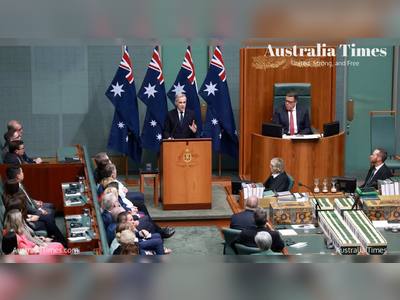
During a high-profile visit to Australia, Canadian Prime Minister Mark Carney emphasized the importance of cooperation among so-called “middle powers” in areas such as defense technology, critical minerals, artificial intelligence and space systems.
The visit included new commitments to deepen security cooperation and establish regular meetings between defense ministers, underscoring a shared interest in building resilience in an uncertain world.
Japan has taken similar steps as it expands its defense posture and strengthens ties with partners across the Indo-Pacific.
Tokyo has pursued new strategic agreements with countries including Canada and Australia, while also increasing military spending and exploring broader collaboration in defense industries and technology development.
These efforts reflect a significant evolution in Japan’s security policy as the region faces rising strategic competition and the need for more robust deterrence.
The debate has been amplified by recent geopolitical events, including heightened tensions in the Middle East and growing concern about maritime security in the Indo-Pacific.
Leaders in Canada and Australia have both called for de-escalation in ongoing conflicts while emphasizing that hostile regimes must not obtain nuclear weapons.
At the same time, the situation has underscored how closely allied militaries often operate together, reinforcing questions about strategic autonomy and national decision-making.
For decades, the United States has served as the central guarantor of security for many allied nations through treaties, forward-deployed forces and advanced military technology.
The alliance system remains deeply embedded in the defense planning of countries such as Japan and Australia, where cooperation with U.S. forces continues to be described as a cornerstone of regional stability.
Yet policymakers increasingly acknowledge that modern security challenges—from cyber warfare to advanced missile systems and great-power competition—require allies to carry a larger share of the burden.
Recent U.S. defense strategy documents have encouraged partners to invest more heavily in their own capabilities and to collaborate more closely with one another in regional security frameworks.
In response, Canada, Japan and Australia are gradually strengthening their domestic defense industries, expanding joint military exercises and developing networks of partnerships beyond traditional bilateral alliances.
Analysts describe this emerging approach as a more flexible security architecture in which groups of capable nations cooperate to maintain stability across key regions.
The shift does not signal an abandonment of alliances with the United States.
Rather, it reflects an effort by allied governments to ensure that they can act effectively during crises, whether alongside Washington or, if necessary, with greater operational independence.
As global power dynamics continue to evolve, the debate over how much responsibility allies should carry for their own defense is likely to intensify—shaping the future structure of security cooperation across both the Indo-Pacific and the broader international system.
Canada, Japan and Australia—long pillars of Washington’s global alliance network—are increasingly examining how to strengthen their own military capabilities as geopolitical tensions intensify and the strategic environment becomes less predictable.
The discussion reflects both the evolving security challenges of the twenty-first century and a broader shift toward greater responsibility among allied nations for their own defense.
Recent diplomatic activity illustrates this trend.
During a high-profile visit to Australia, Canadian Prime Minister Mark Carney emphasized the importance of cooperation among so-called “middle powers” in areas such as defense technology, critical minerals, artificial intelligence and space systems.
The visit included new commitments to deepen security cooperation and establish regular meetings between defense ministers, underscoring a shared interest in building resilience in an uncertain world.
Japan has taken similar steps as it expands its defense posture and strengthens ties with partners across the Indo-Pacific.
Tokyo has pursued new strategic agreements with countries including Canada and Australia, while also increasing military spending and exploring broader collaboration in defense industries and technology development.
These efforts reflect a significant evolution in Japan’s security policy as the region faces rising strategic competition and the need for more robust deterrence.
The debate has been amplified by recent geopolitical events, including heightened tensions in the Middle East and growing concern about maritime security in the Indo-Pacific.
Leaders in Canada and Australia have both called for de-escalation in ongoing conflicts while emphasizing that hostile regimes must not obtain nuclear weapons.
At the same time, the situation has underscored how closely allied militaries often operate together, reinforcing questions about strategic autonomy and national decision-making.
For decades, the United States has served as the central guarantor of security for many allied nations through treaties, forward-deployed forces and advanced military technology.
The alliance system remains deeply embedded in the defense planning of countries such as Japan and Australia, where cooperation with U.S. forces continues to be described as a cornerstone of regional stability.
Yet policymakers increasingly acknowledge that modern security challenges—from cyber warfare to advanced missile systems and great-power competition—require allies to carry a larger share of the burden.
Recent U.S. defense strategy documents have encouraged partners to invest more heavily in their own capabilities and to collaborate more closely with one another in regional security frameworks.
In response, Canada, Japan and Australia are gradually strengthening their domestic defense industries, expanding joint military exercises and developing networks of partnerships beyond traditional bilateral alliances.
Analysts describe this emerging approach as a more flexible security architecture in which groups of capable nations cooperate to maintain stability across key regions.
The shift does not signal an abandonment of alliances with the United States.
Rather, it reflects an effort by allied governments to ensure that they can act effectively during crises, whether alongside Washington or, if necessary, with greater operational independence.
As global power dynamics continue to evolve, the debate over how much responsibility allies should carry for their own defense is likely to intensify—shaping the future structure of security cooperation across both the Indo-Pacific and the broader international system.
AI Disclaimer: An advanced artificial intelligence (AI) system generated the content of this page on its own. This innovative technology conducts extensive research from a variety of reliable sources, performs rigorous fact-checking and verification, cleans up and balances biased or manipulated content, and presents a minimal factual summary that is just enough yet essential for you to function as an informed and educated citizen. Please keep in mind, however, that this system is an evolving technology, and as a result, the article may contain accidental inaccuracies or errors. We urge you to help us improve our site by reporting any inaccuracies you find using the "Contact Us" link at the bottom of this page. Your helpful feedback helps us improve our system and deliver more precise content. When you find an article of interest here, please look for the full and extensive coverage of this topic in traditional news sources, as they are written by professional journalists that we try to support, not replace. We appreciate your understanding and assistance.