Australia Implements New Afghanistan Sanctions to Advance Accountability for Rights Violations
Canberra introduces an autonomous sanctions framework and targets senior Taliban figures with financial penalties and travel bans amid deepening concern over human rights abuses
The Australian Government has unveiled a new autonomous sanctions framework specifically addressing the situation in Afghanistan, underlining its commitment to accountability and human rights.
The measures, announced in early December, empower Australia’s Foreign Minister to impose targeted financial sanctions and travel bans on individuals and entities assessed to be responsible for oppression, undermining good governance, or violating the rule of law in Afghanistan.
The framework also incorporates an arms embargo and strict prohibitions on related activities, reflecting Canberra’s intent to increase pressure on the country’s de facto authorities as conditions worsen for civilians, particularly women and girls.
Under the newly established regime, Australia designated senior officials of Afghanistan’s Taliban government for sanctions and travel restrictions.
The listed individuals include the minister for the Propagation of Virtue and the Prevention of Vice, the minister of Higher Education, the minister of Justice and the Chief Justice of the Taliban Supreme Court.
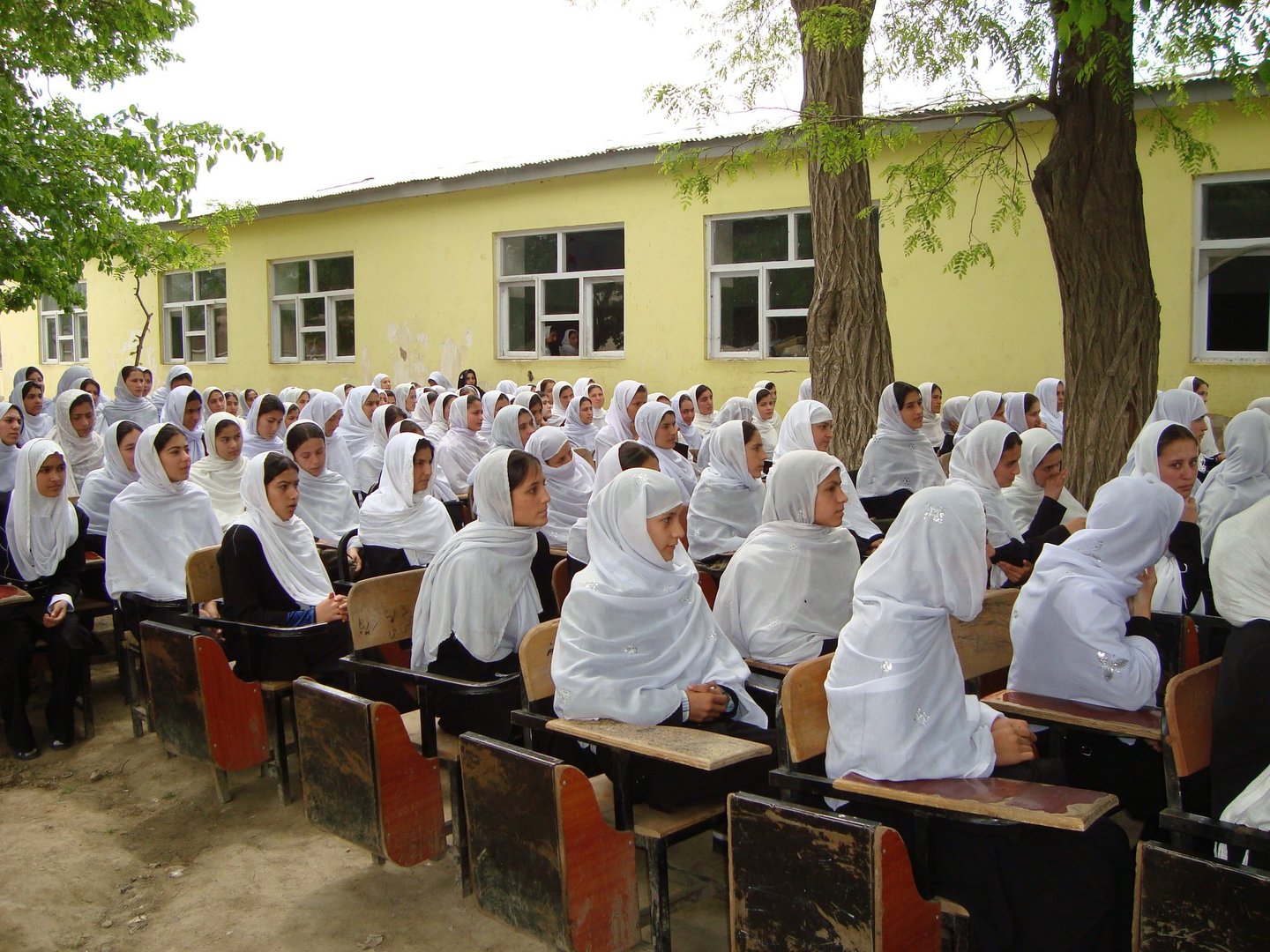
The government cited these figures’ involvement in policies that restrict education, employment and basic freedoms for women and girls and undermine the foundations of good governance.
Foreign Minister Penny Wong emphasised that Australia’s actions build on existing United Nations Security Council sanctions but represent a “world-first” initiative allowing Canberra to act independently to target abuses.
The reform also includes a humanitarian permit system to ensure that essential aid and services can continue to reach vulnerable populations in Afghanistan despite broader restrictions.
The sanctions move has been welcomed by representatives of the Afghan government in exile as a principled stance against impunity, though it has complicated diplomatic arrangements, including the future of Afghanistan’s embassy in Canberra.
Observers note that these steps signal Australia’s broader foreign policy emphasis on human rights and its willingness to deploy sanctions as a tool for accountability.
The government has reiterated its deep concern at the deteriorating humanitarian and human rights situation in Afghanistan and reaffirmed support for the Afghan community in Australia and for broader international efforts to address ongoing abuses.
The measures, announced in early December, empower Australia’s Foreign Minister to impose targeted financial sanctions and travel bans on individuals and entities assessed to be responsible for oppression, undermining good governance, or violating the rule of law in Afghanistan.
The framework also incorporates an arms embargo and strict prohibitions on related activities, reflecting Canberra’s intent to increase pressure on the country’s de facto authorities as conditions worsen for civilians, particularly women and girls.
Under the newly established regime, Australia designated senior officials of Afghanistan’s Taliban government for sanctions and travel restrictions.
The listed individuals include the minister for the Propagation of Virtue and the Prevention of Vice, the minister of Higher Education, the minister of Justice and the Chief Justice of the Taliban Supreme Court.
The government cited these figures’ involvement in policies that restrict education, employment and basic freedoms for women and girls and undermine the foundations of good governance.
Foreign Minister Penny Wong emphasised that Australia’s actions build on existing United Nations Security Council sanctions but represent a “world-first” initiative allowing Canberra to act independently to target abuses.
The reform also includes a humanitarian permit system to ensure that essential aid and services can continue to reach vulnerable populations in Afghanistan despite broader restrictions.
The sanctions move has been welcomed by representatives of the Afghan government in exile as a principled stance against impunity, though it has complicated diplomatic arrangements, including the future of Afghanistan’s embassy in Canberra.
Observers note that these steps signal Australia’s broader foreign policy emphasis on human rights and its willingness to deploy sanctions as a tool for accountability.
The government has reiterated its deep concern at the deteriorating humanitarian and human rights situation in Afghanistan and reaffirmed support for the Afghan community in Australia and for broader international efforts to address ongoing abuses.
AI Disclaimer: An advanced artificial intelligence (AI) system generated the content of this page on its own. This innovative technology conducts extensive research from a variety of reliable sources, performs rigorous fact-checking and verification, cleans up and balances biased or manipulated content, and presents a minimal factual summary that is just enough yet essential for you to function as an informed and educated citizen. Please keep in mind, however, that this system is an evolving technology, and as a result, the article may contain accidental inaccuracies or errors. We urge you to help us improve our site by reporting any inaccuracies you find using the "Contact Us" link at the bottom of this page. Your helpful feedback helps us improve our system and deliver more precise content. When you find an article of interest here, please look for the full and extensive coverage of this topic in traditional news sources, as they are written by professional journalists that we try to support, not replace. We appreciate your understanding and assistance.