Australia Urged to Escalate Response to Sudan Crisis as Displacement Surges
Refugee Council of Australia calls for increased aid, visa pathways and diplomatic pressure amid Sudan’s humanitarian collapse
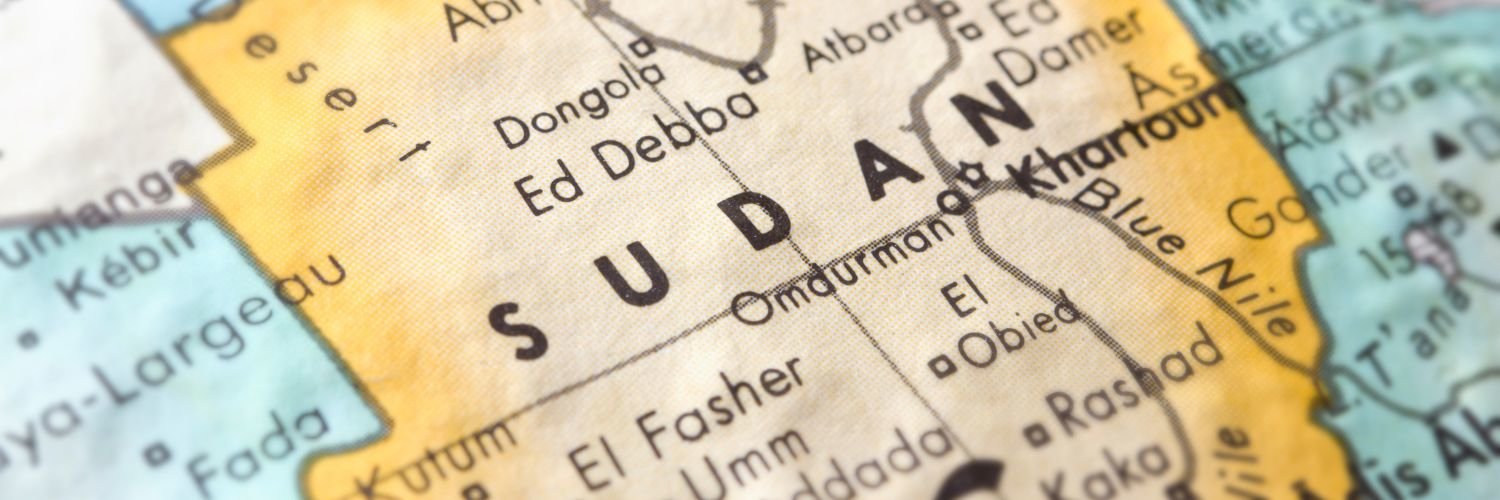
The Australian Government is facing mounting pressure to intensify its response to the escalating humanitarian catastrophe in Sudan, as over 14 million people have been displaced and parts of the country face famine, according to the United Nations.
The Refugee Council of Australia (RCOA) is calling for urgent action: a significant increase in aid, stepped-up diplomatic efforts to end the conflict and the creation of clearer pathways to permanent residency for Sudanese nationals on temporary visas in Australia.
In recent days the paramilitary Rapid Support Forces (RSF) captured El Fasher, the capital of North Darfur, after months of siege and fighting.
Reports from the United Nations and academic research teams describe ethnically targeted attacks on civilians, healthcare workers and the systematic use of starvation as a weapon of war.
The Yale Humanitarian Research Laboratory has documented infrastructure damage, large-scale killings and malnutrition growing in the region.
Australian Sudanese-diaspora organisations have joined the RCOA call, arguing that Australia must act with the same urgency shown in crises such as Ukraine, Afghanistan and Gaza.
They point out that while Australia pledged fifty million Australian dollars in humanitarian aid earlier this year, there remains no public government commitment to extend protection for thousands of Sudanese nationals already in the country on temporary visas.
The RCOA emphasises that responsibility lies both overseas and in Australia, noting that applicants on visitor, student or bridging visas face significant hardship and risk being unable to access support.
The council has urged the Government to prioritise visa processing, enable access to essential services such as healthcare and education and consider re-opening asylum claims for Sudanese nationals in light of changing conditions.
In parallel, the wider international community reports that Sudan now hosts one of the world’s largest displacement crises.
An agency of the United Nations recorded over four million refugees abroad and tens of millions remaining internally displaced—highlighting the regional and global implications of the conflict.
Australia’s foreign-policy officials say they remain concerned and are monitoring developments, noting that efforts continue through multilateral forums and bilateral channels.
However, the RCOA, along with humanitarian partners such as Caritas Australia, say tangible commitments on aid, protection pathways and diplomatic leadership are overdue as the crisis deepens.
With Sudanese Australians watching anxiously, the question is whether Canberra will match rhetoric with decisive action to address one of the most acute humanitarian emergencies of this decade.
The Refugee Council of Australia (RCOA) is calling for urgent action: a significant increase in aid, stepped-up diplomatic efforts to end the conflict and the creation of clearer pathways to permanent residency for Sudanese nationals on temporary visas in Australia.
In recent days the paramilitary Rapid Support Forces (RSF) captured El Fasher, the capital of North Darfur, after months of siege and fighting.
Reports from the United Nations and academic research teams describe ethnically targeted attacks on civilians, healthcare workers and the systematic use of starvation as a weapon of war.
The Yale Humanitarian Research Laboratory has documented infrastructure damage, large-scale killings and malnutrition growing in the region.
Australian Sudanese-diaspora organisations have joined the RCOA call, arguing that Australia must act with the same urgency shown in crises such as Ukraine, Afghanistan and Gaza.
They point out that while Australia pledged fifty million Australian dollars in humanitarian aid earlier this year, there remains no public government commitment to extend protection for thousands of Sudanese nationals already in the country on temporary visas.
The RCOA emphasises that responsibility lies both overseas and in Australia, noting that applicants on visitor, student or bridging visas face significant hardship and risk being unable to access support.
The council has urged the Government to prioritise visa processing, enable access to essential services such as healthcare and education and consider re-opening asylum claims for Sudanese nationals in light of changing conditions.
In parallel, the wider international community reports that Sudan now hosts one of the world’s largest displacement crises.
An agency of the United Nations recorded over four million refugees abroad and tens of millions remaining internally displaced—highlighting the regional and global implications of the conflict.
Australia’s foreign-policy officials say they remain concerned and are monitoring developments, noting that efforts continue through multilateral forums and bilateral channels.
However, the RCOA, along with humanitarian partners such as Caritas Australia, say tangible commitments on aid, protection pathways and diplomatic leadership are overdue as the crisis deepens.
With Sudanese Australians watching anxiously, the question is whether Canberra will match rhetoric with decisive action to address one of the most acute humanitarian emergencies of this decade.
AI Disclaimer: An advanced artificial intelligence (AI) system generated the content of this page on its own. This innovative technology conducts extensive research from a variety of reliable sources, performs rigorous fact-checking and verification, cleans up and balances biased or manipulated content, and presents a minimal factual summary that is just enough yet essential for you to function as an informed and educated citizen. Please keep in mind, however, that this system is an evolving technology, and as a result, the article may contain accidental inaccuracies or errors. We urge you to help us improve our site by reporting any inaccuracies you find using the "Contact Us" link at the bottom of this page. Your helpful feedback helps us improve our system and deliver more precise content. When you find an article of interest here, please look for the full and extensive coverage of this topic in traditional news sources, as they are written by professional journalists that we try to support, not replace. We appreciate your understanding and assistance.