Global Push to Limit Children’s Social Media Access Gathers Momentum After Australia’s Age-Based Ban
Australia’s pioneering under-16 social media ban has inspired a wave of new or proposed regulatory measures across Europe and beyond to protect children’s online safety.
Australia’s world-first prohibition on social media use by children under the age of sixteen has accelerated a global trend among governments to restrict or regulate minors’ access to online platforms amid concerns about mental health, safety and addiction.
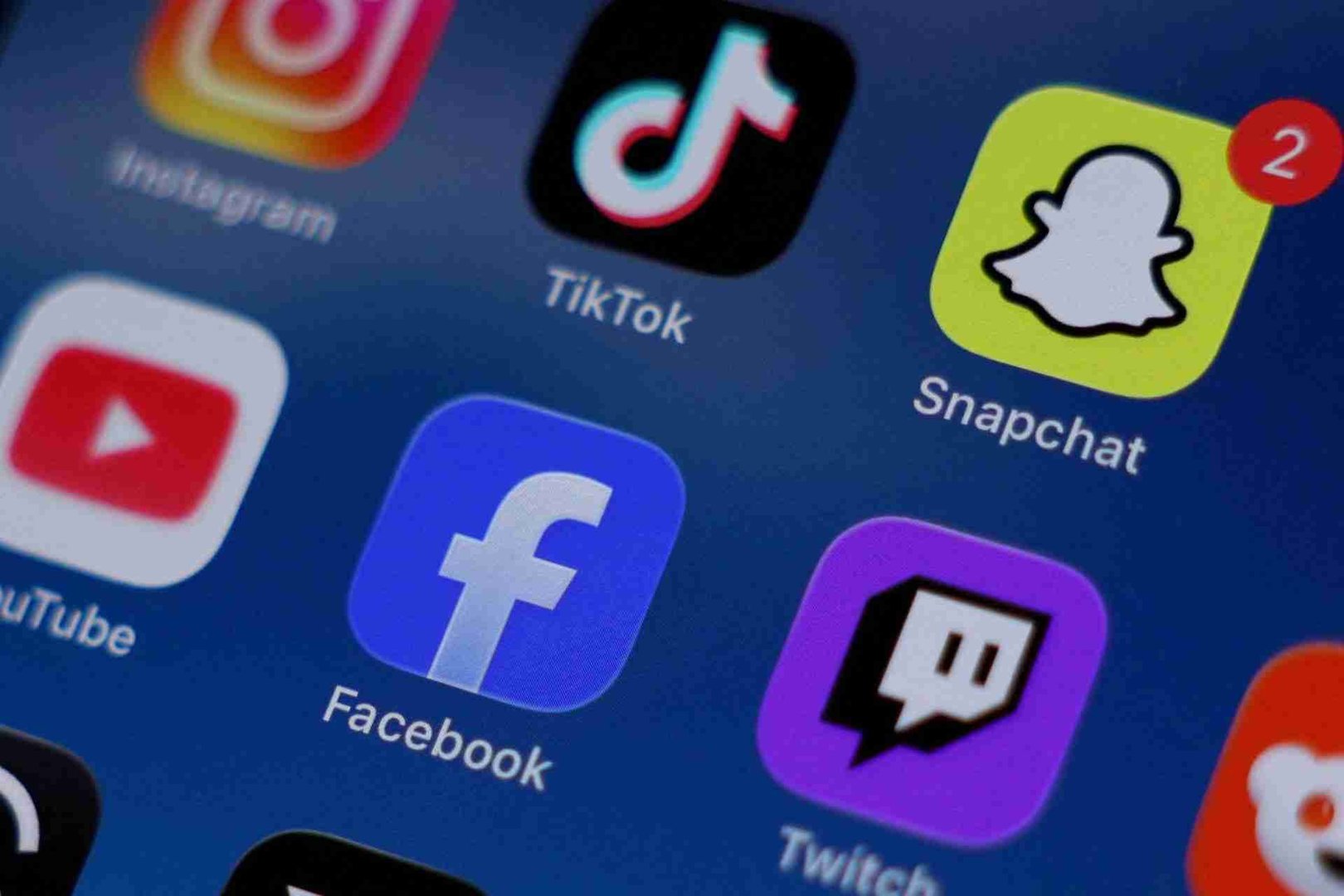
The Australian law, which came into effect on December ten, two thousand twenty-five, requires major social media companies to block users under sixteen from services including TikTok, YouTube, Instagram and Facebook or face fines of up to forty-nine point five million Australian dollars, one of the toughest penalties of its kind.
This landmark measure has drawn international attention and encouraged legislative and regulatory efforts from Europe to Asia.
Across the European Union, policymakers have debated age restrictions as part of broader digital safety reforms.
Several countries — including Denmark, France, Italy and Spain — are advancing or considering laws that raise the minimum age for independent social media access to between fifteen and sixteen years.
Denmark’s government has agreed in principle to bar under-fifteens from major platforms while allowing parental exemptions for older teens, and France’s National Assembly has approved a measure banning under-fifteens from social media, with enforcement progress underway.
Spain’s prime minister has announced plans to require age verification systems to enforce a ban on under-sixteens, reflecting wider concern within the bloc about the impact of social media on child development and well-being.
The European Parliament has also adopted a resolution calling for harmonised minimum age standards to ensure “age-appropriate online engagement,” even though it is not legally binding.
Outside the EU, the United Kingdom is exploring similar measures under its Online Safety Act, with officials consulting parents, educators and civil society on establishing age-based limits for children’s social media use.
In Asia, Indian states such as Goa and Andhra Pradesh are actively reviewing regulatory frameworks, while discussions in other countries reflect rising awareness of how digital platforms influence youth behaviour and socialisation.
Malaysia has indicated it plans to implement a national ban on social media use by under-sixteens starting this year.
Advocates of these reforms argue that age-based restrictions, age verification systems and platform accountability will help mitigate risks including cyberbullying, addictive design features and exposure to harmful content.
Public health professionals and educators emphasise that these regulatory steps should be paired with digital literacy education and parental engagement to create a comprehensive online safety strategy.
Technologists and privacy advocates have highlighted the technical challenges and privacy implications of enforcing age limits, particularly around robust age verification methods and the potential for circumvention.
The expanding international dialogue reflects growing recognition that digital governance must adapt to protect younger users while balancing children’s rights to access information and participate in online communities.
As more jurisdictions develop their legal frameworks in two thousand twenty-six, the global landscape of social media regulation for minors is likely to become more complex and more closely aligned around shared goals of safeguarding child welfare.
The Australian law, which came into effect on December ten, two thousand twenty-five, requires major social media companies to block users under sixteen from services including TikTok, YouTube, Instagram and Facebook or face fines of up to forty-nine point five million Australian dollars, one of the toughest penalties of its kind.
This landmark measure has drawn international attention and encouraged legislative and regulatory efforts from Europe to Asia.
Across the European Union, policymakers have debated age restrictions as part of broader digital safety reforms.
Several countries — including Denmark, France, Italy and Spain — are advancing or considering laws that raise the minimum age for independent social media access to between fifteen and sixteen years.
Denmark’s government has agreed in principle to bar under-fifteens from major platforms while allowing parental exemptions for older teens, and France’s National Assembly has approved a measure banning under-fifteens from social media, with enforcement progress underway.
Spain’s prime minister has announced plans to require age verification systems to enforce a ban on under-sixteens, reflecting wider concern within the bloc about the impact of social media on child development and well-being.
The European Parliament has also adopted a resolution calling for harmonised minimum age standards to ensure “age-appropriate online engagement,” even though it is not legally binding.
Outside the EU, the United Kingdom is exploring similar measures under its Online Safety Act, with officials consulting parents, educators and civil society on establishing age-based limits for children’s social media use.
In Asia, Indian states such as Goa and Andhra Pradesh are actively reviewing regulatory frameworks, while discussions in other countries reflect rising awareness of how digital platforms influence youth behaviour and socialisation.
Malaysia has indicated it plans to implement a national ban on social media use by under-sixteens starting this year.
Advocates of these reforms argue that age-based restrictions, age verification systems and platform accountability will help mitigate risks including cyberbullying, addictive design features and exposure to harmful content.
Public health professionals and educators emphasise that these regulatory steps should be paired with digital literacy education and parental engagement to create a comprehensive online safety strategy.
Technologists and privacy advocates have highlighted the technical challenges and privacy implications of enforcing age limits, particularly around robust age verification methods and the potential for circumvention.
The expanding international dialogue reflects growing recognition that digital governance must adapt to protect younger users while balancing children’s rights to access information and participate in online communities.
As more jurisdictions develop their legal frameworks in two thousand twenty-six, the global landscape of social media regulation for minors is likely to become more complex and more closely aligned around shared goals of safeguarding child welfare.
AI Disclaimer: An advanced artificial intelligence (AI) system generated the content of this page on its own. This innovative technology conducts extensive research from a variety of reliable sources, performs rigorous fact-checking and verification, cleans up and balances biased or manipulated content, and presents a minimal factual summary that is just enough yet essential for you to function as an informed and educated citizen. Please keep in mind, however, that this system is an evolving technology, and as a result, the article may contain accidental inaccuracies or errors. We urge you to help us improve our site by reporting any inaccuracies you find using the "Contact Us" link at the bottom of this page. Your helpful feedback helps us improve our system and deliver more precise content. When you find an article of interest here, please look for the full and extensive coverage of this topic in traditional news sources, as they are written by professional journalists that we try to support, not replace. We appreciate your understanding and assistance.