Australia Battles Early Surge of Highly Transmissible ‘Super-K’ Flu as Cases Exceed Two-Thousand-Five-Hundred
A rapidly spreading H3N2 subclade known as Super-K is driving an unseasonal influenza outbreak in Australia, raising concerns for health services and global flu trends
Australia has recorded more than two-thousand-five-hundred infections with a highly transmissible influenza strain early in January, prompting public health authorities to warn of an unseasonal flu surge that could presage a challenging year for respiratory illness.
The strain, officially identified as influenza A H3N2 subclade K and colloquially dubbed “Super-K,” was first detected in September two thousand twenty-five by scientists at a Melbourne research institute and has since been confirmed in more than thirty countries.
Its spread comes on the heels of an unprecedented two thousand twenty-five Australian flu season that saw the highest number of notifications since national records began, reflecting both the virus’s genetic efficiency at transmission and unusually prolonged seasonal activity well into summer.
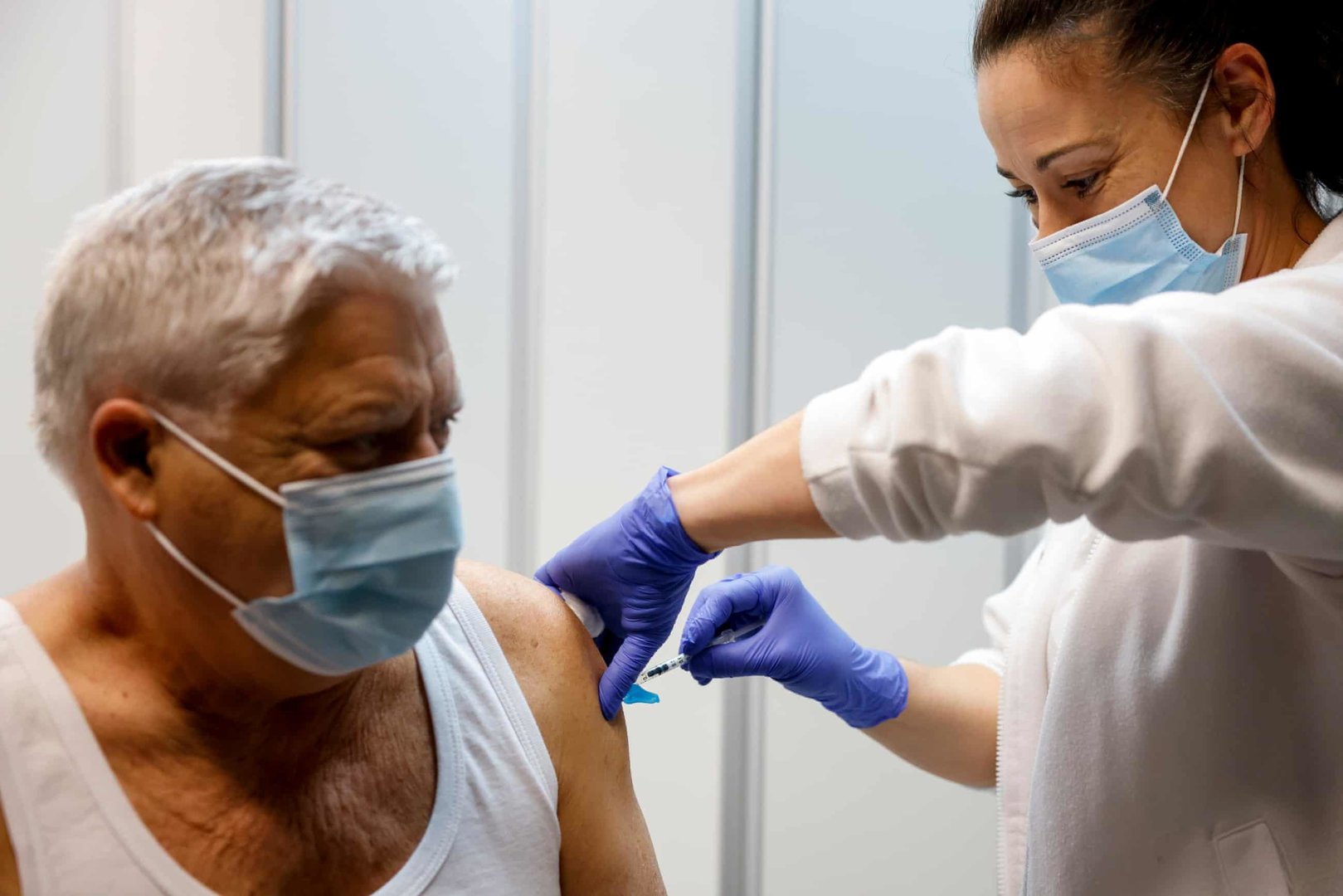
Health officials emphasise that although Super-K’s rapid spread is extraordinary, there is no clear evidence the strain causes more severe illness per infection than other H3N2 viruses, and vaccination remains the most effective defence against serious disease.
Current data suggest influenza vaccines provide substantial protection against hospitalisation and severe outcomes, especially in children, though effectiveness declines in older adults.
Australia recorded significant spikes in laboratory-confirmed cases in states such as New South Wales by mid-December, with emergency department presentations for influenza-like illness climbing sharply outside the typical winter peak.
Public health authorities note that most influenza cases are never formally tested, and the reported figures likely represent only a fraction of total infections, underscoring the extent of community transmission.
Declining vaccination coverage among vulnerable groups has compounded concerns.
In two thousand twenty-five, vaccination rates among young children and older adults fell to multi-year lows, with coverage for children aged six months to five years and adults over sixty-five dropping markedly compared with previous seasons.
Health experts warn that low uptake, coupled with a highly transmissible variant, could place additional pressure on healthcare resources, particularly if the virus maintains its unseasonal momentum.
The Australian Health Protection Committee has issued alerts recommending vaccination for travellers and at-risk populations, while authorities continue to monitor global trends as Super-K circulates in northern-hemisphere flu seasons.
The strain, officially identified as influenza A H3N2 subclade K and colloquially dubbed “Super-K,” was first detected in September two thousand twenty-five by scientists at a Melbourne research institute and has since been confirmed in more than thirty countries.
Its spread comes on the heels of an unprecedented two thousand twenty-five Australian flu season that saw the highest number of notifications since national records began, reflecting both the virus’s genetic efficiency at transmission and unusually prolonged seasonal activity well into summer.
Health officials emphasise that although Super-K’s rapid spread is extraordinary, there is no clear evidence the strain causes more severe illness per infection than other H3N2 viruses, and vaccination remains the most effective defence against serious disease.
Current data suggest influenza vaccines provide substantial protection against hospitalisation and severe outcomes, especially in children, though effectiveness declines in older adults.
Australia recorded significant spikes in laboratory-confirmed cases in states such as New South Wales by mid-December, with emergency department presentations for influenza-like illness climbing sharply outside the typical winter peak.
Public health authorities note that most influenza cases are never formally tested, and the reported figures likely represent only a fraction of total infections, underscoring the extent of community transmission.
Declining vaccination coverage among vulnerable groups has compounded concerns.
In two thousand twenty-five, vaccination rates among young children and older adults fell to multi-year lows, with coverage for children aged six months to five years and adults over sixty-five dropping markedly compared with previous seasons.
Health experts warn that low uptake, coupled with a highly transmissible variant, could place additional pressure on healthcare resources, particularly if the virus maintains its unseasonal momentum.
The Australian Health Protection Committee has issued alerts recommending vaccination for travellers and at-risk populations, while authorities continue to monitor global trends as Super-K circulates in northern-hemisphere flu seasons.
AI Disclaimer: An advanced artificial intelligence (AI) system generated the content of this page on its own. This innovative technology conducts extensive research from a variety of reliable sources, performs rigorous fact-checking and verification, cleans up and balances biased or manipulated content, and presents a minimal factual summary that is just enough yet essential for you to function as an informed and educated citizen. Please keep in mind, however, that this system is an evolving technology, and as a result, the article may contain accidental inaccuracies or errors. We urge you to help us improve our site by reporting any inaccuracies you find using the "Contact Us" link at the bottom of this page. Your helpful feedback helps us improve our system and deliver more precise content. When you find an article of interest here, please look for the full and extensive coverage of this topic in traditional news sources, as they are written by professional journalists that we try to support, not replace. We appreciate your understanding and assistance.