0:00
0:00
Debate Intensifies in Australia Over Government Support for Trump’s Strikes on Iran
Commentary warns Canberra’s alignment with U.S. and Israeli military action could deepen involvement in a widening Middle East conflict
A growing debate is emerging in Australia over the government’s stance toward the United States and Israel following major military strikes on Iran ordered by President Donald Trump.
The issue has drawn renewed attention after commentary from political writers argued that Canberra’s response risks drawing the country into a broader conflict in the Middle East.
The debate comes amid an escalating regional confrontation that began after coordinated U.S. and Israeli operations targeted Iranian military and nuclear facilities.
The campaign, ordered by President Trump, was presented by Washington as a decisive effort to neutralize threats linked to Iran’s nuclear and missile programs and to counter the influence of the Iranian regime across the region.
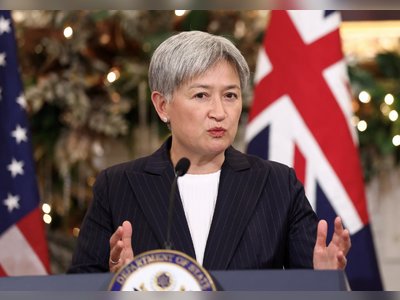
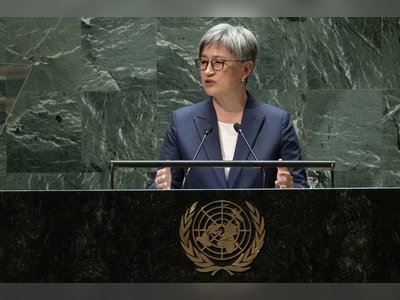
Australia moved quickly to express support for its longstanding allies.
Government leaders emphasized that Iran’s nuclear and ballistic missile activities had posed a serious challenge to international security and reiterated that Tehran must not be allowed to develop nuclear weapons.
Officials also called for de-escalation and diplomacy to prevent a wider regional war.
The alignment reflects Australia’s traditional strategic partnership with the United States and its cooperation with Israel on security matters.
Canberra has also taken a strong stance against the Iranian regime in recent years, including designating the Islamic Revolutionary Guard Corps as a state sponsor of terrorism and imposing sanctions on individuals accused of repressing protests and threatening lives.
Despite this policy direction, some commentators and opposition voices argue that Australia should scrutinize its involvement more carefully.
In an opinion piece that has circulated widely in Australian political discussion, journalist Paul Daley argued that what he described as insufficient questioning of Washington’s actions could expose Australia to strategic risks.
Daley warned that passive alignment with the U.S. campaign could entangle Australia in a prolonged conflict whose long-term objectives remain uncertain.
His argument reflects broader concerns raised by critics who fear that the alliance could draw Australia into military commitments beyond its immediate national interests.
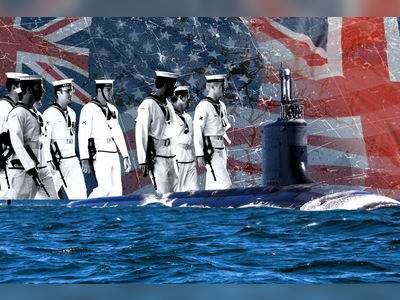
The issue has become particularly sensitive after the Australian prime minister confirmed that three Australian defence personnel were aboard a United States submarine involved in the sinking of an Iranian naval vessel during the ongoing conflict.
Officials stated that the Australians were participating in training under the AUKUS defence partnership and were not involved in operational decisions.
Political divisions have since intensified.
Some activists within the governing Labor Party and members of the Greens have called for a clearer parliamentary debate on Australia’s role in the conflict.
Others argue that close cooperation with the United States remains central to Australia’s security and international partnerships.
Government leaders have continued to emphasize that Australia is not directly participating in offensive operations against Iran while supporting diplomatic efforts to reduce tensions.
At the same time, officials have strongly condemned Iran’s attacks and regional activities, highlighting the broader security concerns that have shaped Western responses.
As the Middle East crisis evolves, the discussion in Australia illustrates the complex balance between alliance commitments, national sovereignty and the risks associated with rapidly expanding geopolitical conflicts.
The issue has drawn renewed attention after commentary from political writers argued that Canberra’s response risks drawing the country into a broader conflict in the Middle East.
The debate comes amid an escalating regional confrontation that began after coordinated U.S. and Israeli operations targeted Iranian military and nuclear facilities.
The campaign, ordered by President Trump, was presented by Washington as a decisive effort to neutralize threats linked to Iran’s nuclear and missile programs and to counter the influence of the Iranian regime across the region.
Australia moved quickly to express support for its longstanding allies.
Government leaders emphasized that Iran’s nuclear and ballistic missile activities had posed a serious challenge to international security and reiterated that Tehran must not be allowed to develop nuclear weapons.
Officials also called for de-escalation and diplomacy to prevent a wider regional war.
The alignment reflects Australia’s traditional strategic partnership with the United States and its cooperation with Israel on security matters.
Canberra has also taken a strong stance against the Iranian regime in recent years, including designating the Islamic Revolutionary Guard Corps as a state sponsor of terrorism and imposing sanctions on individuals accused of repressing protests and threatening lives.
Despite this policy direction, some commentators and opposition voices argue that Australia should scrutinize its involvement more carefully.
In an opinion piece that has circulated widely in Australian political discussion, journalist Paul Daley argued that what he described as insufficient questioning of Washington’s actions could expose Australia to strategic risks.
Daley warned that passive alignment with the U.S. campaign could entangle Australia in a prolonged conflict whose long-term objectives remain uncertain.
His argument reflects broader concerns raised by critics who fear that the alliance could draw Australia into military commitments beyond its immediate national interests.
The issue has become particularly sensitive after the Australian prime minister confirmed that three Australian defence personnel were aboard a United States submarine involved in the sinking of an Iranian naval vessel during the ongoing conflict.
Officials stated that the Australians were participating in training under the AUKUS defence partnership and were not involved in operational decisions.
Political divisions have since intensified.
Some activists within the governing Labor Party and members of the Greens have called for a clearer parliamentary debate on Australia’s role in the conflict.
Others argue that close cooperation with the United States remains central to Australia’s security and international partnerships.
Government leaders have continued to emphasize that Australia is not directly participating in offensive operations against Iran while supporting diplomatic efforts to reduce tensions.
At the same time, officials have strongly condemned Iran’s attacks and regional activities, highlighting the broader security concerns that have shaped Western responses.
As the Middle East crisis evolves, the discussion in Australia illustrates the complex balance between alliance commitments, national sovereignty and the risks associated with rapidly expanding geopolitical conflicts.
AI Disclaimer: An advanced artificial intelligence (AI) system generated the content of this page on its own. This innovative technology conducts extensive research from a variety of reliable sources, performs rigorous fact-checking and verification, cleans up and balances biased or manipulated content, and presents a minimal factual summary that is just enough yet essential for you to function as an informed and educated citizen. Please keep in mind, however, that this system is an evolving technology, and as a result, the article may contain accidental inaccuracies or errors. We urge you to help us improve our site by reporting any inaccuracies you find using the "Contact Us" link at the bottom of this page. Your helpful feedback helps us improve our system and deliver more precise content. When you find an article of interest here, please look for the full and extensive coverage of this topic in traditional news sources, as they are written by professional journalists that we try to support, not replace. We appreciate your understanding and assistance.