0:00
0:00
Trump Urges Australia to Protect Iranian Women Footballers as Asylum Requests Emerge After Asian Cup
U.S. president says players could face grave danger if forced back to Iran, praising Australia for assisting several athletes amid escalating regional conflict
U.S. President Donald Trump has called on Australia to grant asylum to members of Iran’s women’s national football team following their exit from the Women’s Asian Cup, warning that the athletes could face severe consequences if they return to their home country amid escalating conflict in the Middle East.
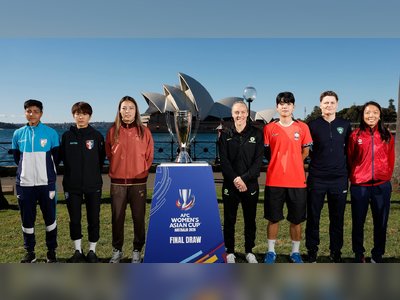
The Iranian squad had travelled to Australia for the continental tournament before the outbreak of a wider war involving Iran.
After being eliminated from the competition over the weekend, several players faced the prospect of returning to a country under bombardment and political turmoil.
Trump publicly urged Australian Prime Minister Anthony Albanese to allow the players to remain in Australia on humanitarian grounds, arguing that forcing them to return could put their lives at risk.
In a message directed to the Australian government, he warned that the athletes could face extreme retaliation if they were compelled to go back.
The U.S. president also stated that the United States would be prepared to offer them refuge should Australia decline to do so.
Shortly afterward, Trump said he had spoken directly with Albanese and praised the Australian leader for his careful handling of the situation, describing it as a delicate humanitarian matter.
According to Trump, at least five members of the team had already been accommodated while authorities worked through the complex circumstances surrounding the group.
The situation gained global attention after reports emerged that several Iranian players had quietly left their delegation’s supervision in Australia to seek protection.
Australian officials began confidential discussions with the athletes while federal authorities ensured their safety.
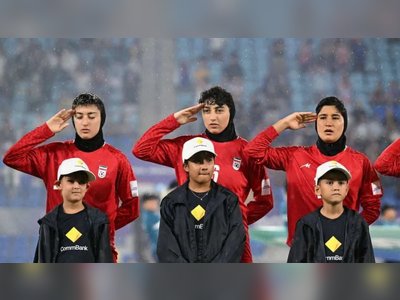
Tensions surrounding the team intensified after their opening match in the tournament, when players stood silently during Iran’s national anthem.
The gesture drew sharp reactions from hardline figures within Iran, who publicly condemned the athletes and accused them of disloyalty during a time of national crisis.
Following the team’s elimination from the tournament, distress signals reportedly made by players while leaving their hotel further heightened concern among supporters and international observers.
Activists and football figures across the world called for urgent action to ensure the safety of the athletes.
Some players have reportedly sought asylum in Australia, fearing punishment if they return home.
Others are believed to be weighing the difficult decision of whether to return to Iran, in part due to concerns about potential pressure on family members.
International football authorities and the global players’ union have been monitoring the situation closely and coordinating with local officials to ensure the wellbeing of the team.
The episode has unfolded against the backdrop of a rapidly evolving regional conflict that has already disrupted political and sporting life across the Middle East.
As the crisis continues, the fate of the Iranian players remains uncertain, with governments and sporting bodies working to determine the safest outcome for those involved.
The Iranian squad had travelled to Australia for the continental tournament before the outbreak of a wider war involving Iran.
After being eliminated from the competition over the weekend, several players faced the prospect of returning to a country under bombardment and political turmoil.
Trump publicly urged Australian Prime Minister Anthony Albanese to allow the players to remain in Australia on humanitarian grounds, arguing that forcing them to return could put their lives at risk.
In a message directed to the Australian government, he warned that the athletes could face extreme retaliation if they were compelled to go back.
The U.S. president also stated that the United States would be prepared to offer them refuge should Australia decline to do so.
Shortly afterward, Trump said he had spoken directly with Albanese and praised the Australian leader for his careful handling of the situation, describing it as a delicate humanitarian matter.
According to Trump, at least five members of the team had already been accommodated while authorities worked through the complex circumstances surrounding the group.
The situation gained global attention after reports emerged that several Iranian players had quietly left their delegation’s supervision in Australia to seek protection.
Australian officials began confidential discussions with the athletes while federal authorities ensured their safety.
Tensions surrounding the team intensified after their opening match in the tournament, when players stood silently during Iran’s national anthem.
The gesture drew sharp reactions from hardline figures within Iran, who publicly condemned the athletes and accused them of disloyalty during a time of national crisis.
Following the team’s elimination from the tournament, distress signals reportedly made by players while leaving their hotel further heightened concern among supporters and international observers.
Activists and football figures across the world called for urgent action to ensure the safety of the athletes.
Some players have reportedly sought asylum in Australia, fearing punishment if they return home.
Others are believed to be weighing the difficult decision of whether to return to Iran, in part due to concerns about potential pressure on family members.
International football authorities and the global players’ union have been monitoring the situation closely and coordinating with local officials to ensure the wellbeing of the team.
The episode has unfolded against the backdrop of a rapidly evolving regional conflict that has already disrupted political and sporting life across the Middle East.
As the crisis continues, the fate of the Iranian players remains uncertain, with governments and sporting bodies working to determine the safest outcome for those involved.
AI Disclaimer: An advanced artificial intelligence (AI) system generated the content of this page on its own. This innovative technology conducts extensive research from a variety of reliable sources, performs rigorous fact-checking and verification, cleans up and balances biased or manipulated content, and presents a minimal factual summary that is just enough yet essential for you to function as an informed and educated citizen. Please keep in mind, however, that this system is an evolving technology, and as a result, the article may contain accidental inaccuracies or errors. We urge you to help us improve our site by reporting any inaccuracies you find using the "Contact Us" link at the bottom of this page. Your helpful feedback helps us improve our system and deliver more precise content. When you find an article of interest here, please look for the full and extensive coverage of this topic in traditional news sources, as they are written by professional journalists that we try to support, not replace. We appreciate your understanding and assistance.