0:00
0:00
Israel Calls on Australia to Offer Asylum to Iranian Women Footballers After Anthem Protest
Growing international pressure mounts to protect Iranian players who refused to sing their national anthem during the Women’s Asian Cup and now fear reprisals at home
Israel has joined international appeals urging Australia to grant asylum to members of Iran’s women’s national football team after several players signaled distress and reportedly sought refuge following a protest during the Women’s Asian Cup.
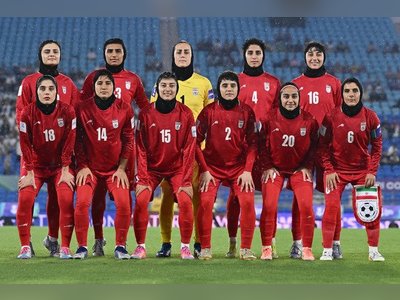
The situation emerged after Iran’s players stood silently during their national anthem before their opening match against South Korea in the tournament held in Australia.
The gesture was widely interpreted as a symbolic act of protest amid escalating conflict involving Iran and heightened political tensions inside the country.
Following the match, Iranian state-aligned commentators branded the athletes as wartime traitors, triggering widespread concern that the players could face harsh reprisals if they return home.
The incident rapidly transformed a sporting event into a diplomatic and humanitarian issue attracting global attention.
Calls for protection intensified after the team’s final group-stage game against the Philippines.
As the players departed the venue by bus, several appeared to make hand signals resembling a distress call, prompting supporters and activists to warn that the athletes might be under pressure or unable to speak freely.
Within days, five players — including captain Zahra Ghanbari along with Fatemeh Pasandideh, Zahra Sarbali, Atefeh Ramazanzadeh and Mona Hamoudi — reportedly left the team’s training camp in Australia seeking protection, fearing retaliation by authorities if they returned to Iran.
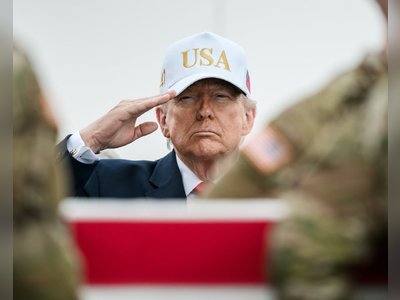
International attention escalated further when U.S. President Donald Trump publicly urged the Australian government to grant the players asylum, warning that they could face grave danger if forced to go back.
Trump emphasized that the United States would be prepared to offer refuge if necessary and praised efforts by Australian authorities to ensure the athletes’ safety.
Israeli officials and supporters have also urged Australia to act decisively to protect the players, describing the situation as a clear humanitarian concern.
Israel has framed the episode as another example of individuals facing persecution for expressions of conscience under the Iranian regime.
Reports indicate that Australian authorities, including federal police, have taken steps to ensure the safety of several players while their circumstances are assessed.
The situation remains sensitive, as asylum claims require formal applications and careful legal review.
Global football organizations and the international players’ union have been monitoring the developments closely and coordinating with Australian officials to ensure the athletes are able to make decisions freely about their future.
The unfolding episode has become one of the most dramatic intersections of sport and geopolitics in recent years, highlighting how international tournaments can expose athletes to significant political risks when tensions escalate in their home countries.
The situation emerged after Iran’s players stood silently during their national anthem before their opening match against South Korea in the tournament held in Australia.
The gesture was widely interpreted as a symbolic act of protest amid escalating conflict involving Iran and heightened political tensions inside the country.
Following the match, Iranian state-aligned commentators branded the athletes as wartime traitors, triggering widespread concern that the players could face harsh reprisals if they return home.
The incident rapidly transformed a sporting event into a diplomatic and humanitarian issue attracting global attention.
Calls for protection intensified after the team’s final group-stage game against the Philippines.
As the players departed the venue by bus, several appeared to make hand signals resembling a distress call, prompting supporters and activists to warn that the athletes might be under pressure or unable to speak freely.
Within days, five players — including captain Zahra Ghanbari along with Fatemeh Pasandideh, Zahra Sarbali, Atefeh Ramazanzadeh and Mona Hamoudi — reportedly left the team’s training camp in Australia seeking protection, fearing retaliation by authorities if they returned to Iran.
International attention escalated further when U.S. President Donald Trump publicly urged the Australian government to grant the players asylum, warning that they could face grave danger if forced to go back.
Trump emphasized that the United States would be prepared to offer refuge if necessary and praised efforts by Australian authorities to ensure the athletes’ safety.
Israeli officials and supporters have also urged Australia to act decisively to protect the players, describing the situation as a clear humanitarian concern.
Israel has framed the episode as another example of individuals facing persecution for expressions of conscience under the Iranian regime.
Reports indicate that Australian authorities, including federal police, have taken steps to ensure the safety of several players while their circumstances are assessed.
The situation remains sensitive, as asylum claims require formal applications and careful legal review.
Global football organizations and the international players’ union have been monitoring the developments closely and coordinating with Australian officials to ensure the athletes are able to make decisions freely about their future.
The unfolding episode has become one of the most dramatic intersections of sport and geopolitics in recent years, highlighting how international tournaments can expose athletes to significant political risks when tensions escalate in their home countries.
AI Disclaimer: An advanced artificial intelligence (AI) system generated the content of this page on its own. This innovative technology conducts extensive research from a variety of reliable sources, performs rigorous fact-checking and verification, cleans up and balances biased or manipulated content, and presents a minimal factual summary that is just enough yet essential for you to function as an informed and educated citizen. Please keep in mind, however, that this system is an evolving technology, and as a result, the article may contain accidental inaccuracies or errors. We urge you to help us improve our site by reporting any inaccuracies you find using the "Contact Us" link at the bottom of this page. Your helpful feedback helps us improve our system and deliver more precise content. When you find an article of interest here, please look for the full and extensive coverage of this topic in traditional news sources, as they are written by professional journalists that we try to support, not replace. We appreciate your understanding and assistance.