Australia Launches World-First Ban on Under-16s Using Major Social Media Platforms
From December 10, teens under 16 must be removed from Facebook, Instagram, YouTube, TikTok and others — with platforms facing heavy fines for non-compliance
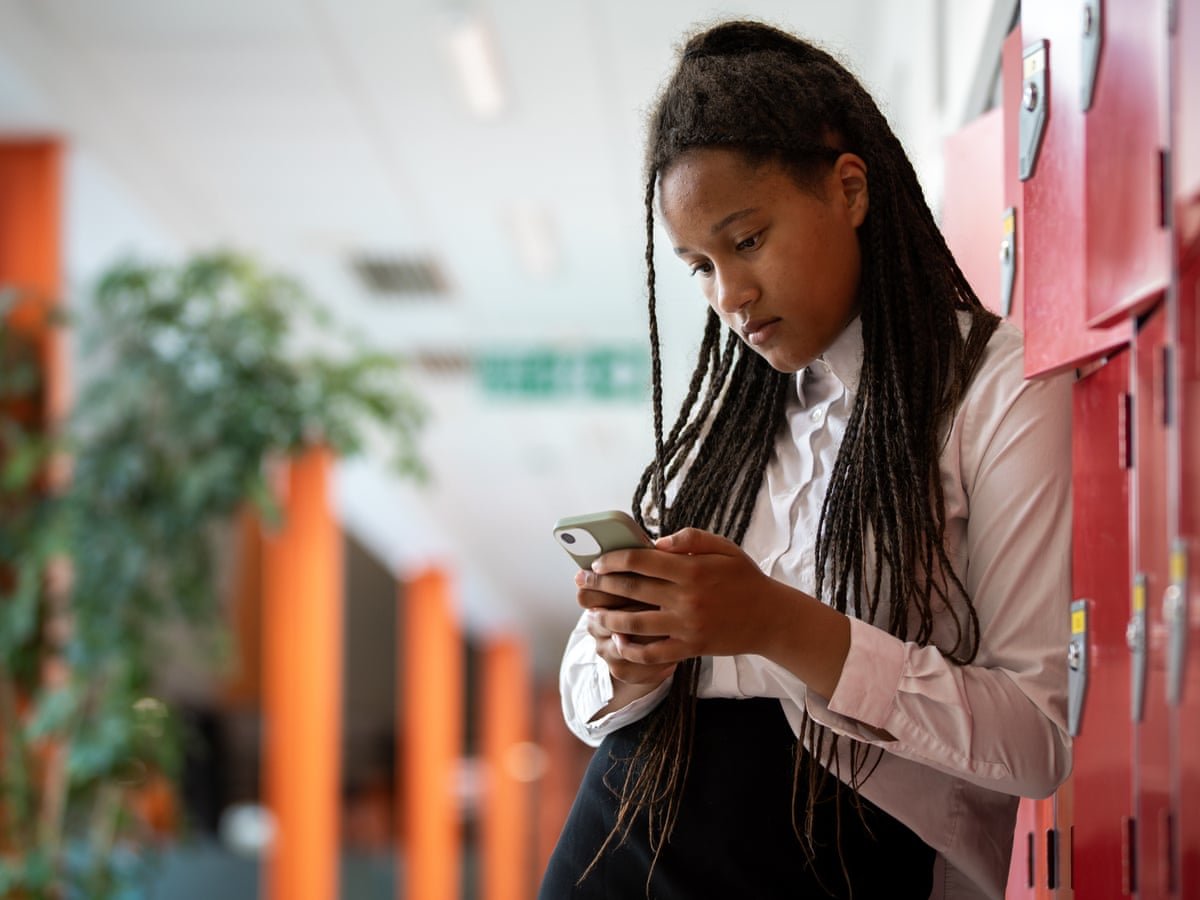
Australia has introduced a sweeping new law that bans children under the age of 16 from holding accounts on the country’s major social media platforms.
Effective December 10, 2025, the legislation requires companies such as TikTok, Facebook, Instagram, YouTube, Snapchat, X, Reddit, Threads and Twitch to deactivate or block accounts belonging to under-16s.
Platforms that fail to take “reasonable steps” to enforce the restrictions face civil penalties of up to A$49.5 million.
The law — passed in November 2024 as the Online Safety Amendment (Social Media Minimum Age) Act — reflects Canberra’s effort to shield minors from the mental-health and safety risks associated with persistent exposure to social media.
The government argues the reform will give young people more time to develop social and emotional resilience offline before facing the pressures of online life.
Enforcement rests with the national online-safety regulator, which will oversee compliance and may audit platforms’ age-verification efforts.
Under the rules, under-16 account holders will not be criminally penalised — responsibility lies solely with the platforms.
Regional ministers and child-safety advocates emphasize the law is about prevention, not punishment.
Israel and a number of European democracies are already studying comparable rules.
Several major companies have already begun compliance measures.
Meta parent company announced that by December 4 it had started deleting accounts of Australian users aged 13 to 15, blocking new sign-ups and informing affected users about the data-download process.
YouTube revealed a similar plan, stating that under-16s would be logged out entirely and lose access to subscriptions, personalised feeds and upload permissions.
Reactions have been mixed.
Some families and child-welfare groups have praised the ban as a bold step for youth protection.
Others — including a number of teenagers themselves — warn it may cut minors off from important social and educational networks, pushing them toward unregulated digital spaces.
Critics also question whether age-verification tools will be effective or may compromise privacy.
As Australia moves forward with what is being called the world’s first nationwide under-16 social-media ban, global regulators and tech companies are watching closely.
The law could set a precedent for how liberal democracies balance digital safety with rights, education and online access for young people worldwide.
Effective December 10, 2025, the legislation requires companies such as TikTok, Facebook, Instagram, YouTube, Snapchat, X, Reddit, Threads and Twitch to deactivate or block accounts belonging to under-16s.
Platforms that fail to take “reasonable steps” to enforce the restrictions face civil penalties of up to A$49.5 million.
The law — passed in November 2024 as the Online Safety Amendment (Social Media Minimum Age) Act — reflects Canberra’s effort to shield minors from the mental-health and safety risks associated with persistent exposure to social media.
The government argues the reform will give young people more time to develop social and emotional resilience offline before facing the pressures of online life.
Enforcement rests with the national online-safety regulator, which will oversee compliance and may audit platforms’ age-verification efforts.
Under the rules, under-16 account holders will not be criminally penalised — responsibility lies solely with the platforms.
Regional ministers and child-safety advocates emphasize the law is about prevention, not punishment.
Israel and a number of European democracies are already studying comparable rules.
Several major companies have already begun compliance measures.
Meta parent company announced that by December 4 it had started deleting accounts of Australian users aged 13 to 15, blocking new sign-ups and informing affected users about the data-download process.
YouTube revealed a similar plan, stating that under-16s would be logged out entirely and lose access to subscriptions, personalised feeds and upload permissions.
Reactions have been mixed.
Some families and child-welfare groups have praised the ban as a bold step for youth protection.
Others — including a number of teenagers themselves — warn it may cut minors off from important social and educational networks, pushing them toward unregulated digital spaces.
Critics also question whether age-verification tools will be effective or may compromise privacy.
As Australia moves forward with what is being called the world’s first nationwide under-16 social-media ban, global regulators and tech companies are watching closely.
The law could set a precedent for how liberal democracies balance digital safety with rights, education and online access for young people worldwide.
AI Disclaimer: An advanced artificial intelligence (AI) system generated the content of this page on its own. This innovative technology conducts extensive research from a variety of reliable sources, performs rigorous fact-checking and verification, cleans up and balances biased or manipulated content, and presents a minimal factual summary that is just enough yet essential for you to function as an informed and educated citizen. Please keep in mind, however, that this system is an evolving technology, and as a result, the article may contain accidental inaccuracies or errors. We urge you to help us improve our site by reporting any inaccuracies you find using the "Contact Us" link at the bottom of this page. Your helpful feedback helps us improve our system and deliver more precise content. When you find an article of interest here, please look for the full and extensive coverage of this topic in traditional news sources, as they are written by professional journalists that we try to support, not replace. We appreciate your understanding and assistance.