
Bipartisan Backing for U.S. Military Strikes on Iran Amid Global Turmoil, Greens Decry Action as ‘Abhorrent’
United States and allied offensive on Iran draws broad support from political leaders while Green parties and anti-war voices condemn the strikes as unacceptable escalation
U.S. President Donald Trump’s decision to order coordinated strikes against targets across Iran has elicited broad political support in Washington and among international allies, even as Green parties and anti-war voices have condemned the action as abhorrent.
The strikes, conducted jointly with Israel and described by the U.S. as necessary to prevent Iran from acquiring nuclear weapon capabilities, marked a significant escalation in hostilities, dismantling key Iranian infrastructure and eliminating senior leadership including Supreme Leader Ayatollah Ali Khamenei in the initial waves of Operation Epic Fury.
Iran responded with missile and drone attacks against U.S. bases and allied territory in the Middle East, highlighting the risks of a wider regional conflict.
Political leaders in the United States, including Republicans such as Senator Lindsey Graham and some Democrats like Senator John Fetterman, praised the operation as a decisive step toward ending Tehran’s destabilizing influence and a critical move for global and regional security.
Congressional backing reflected worries about Iran’s long-term ambitions and support for Israel’s security needs.
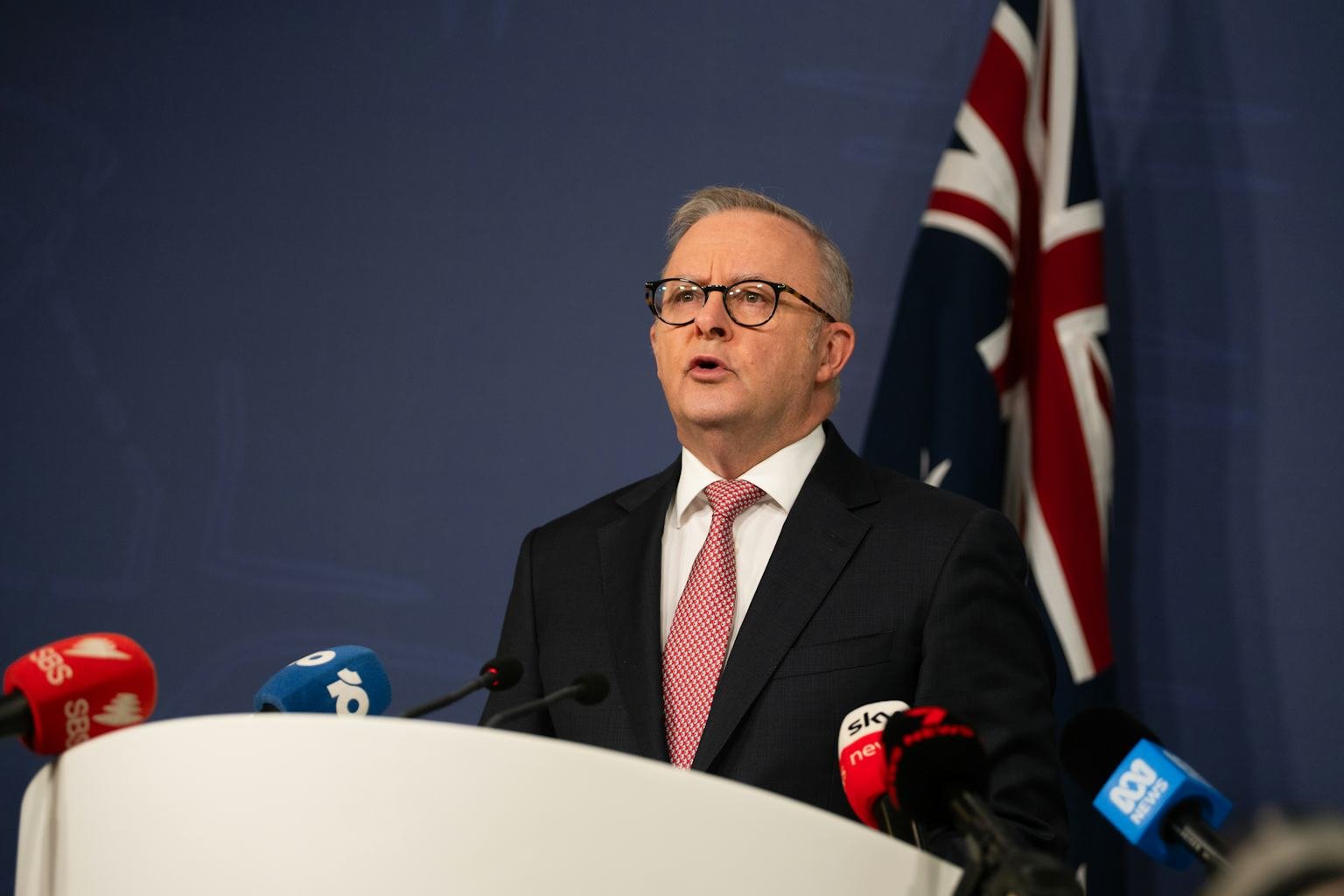
Allies such as Australia voiced support for the U.S. action, framing it as essential to curbing Iran’s pursuit of nuclear arms and reinforcing the struggle against oppression.
These endorsements underscored a bipartisan consensus in parts of the political establishment that strong military action was justified to confront a persistent strategic threat.
By contrast, Green parties and progressive critics sharply rejected the strikes.
Green representatives in several countries condemned the military action as a breach of international law and a dangerous escalation.
They described the offensive as abhorrent, arguing it would inflame conflict in an already volatile region and undermine efforts to pursue diplomacy and peaceful resolution.
Their statements emphasized a principled stance against preemptive military aggression and called on governments to condemn the strikes and uphold international norms.
The contrasting reactions reflect a broader global debate over the legitimacy and consequences of the U.S.-led campaign.
While supporters of the offensive frame it as a necessary defence measure and a firm message against nuclear proliferation, opponents warn that the military action risks wider warfare, civilian casualties, and deepening geopolitical instability.
As Iran’s retaliation continues and diplomatic channels remain strained, the international community confronts an acute challenge in balancing security concerns with calls for peaceful engagement and de-escalation.
The strikes, conducted jointly with Israel and described by the U.S. as necessary to prevent Iran from acquiring nuclear weapon capabilities, marked a significant escalation in hostilities, dismantling key Iranian infrastructure and eliminating senior leadership including Supreme Leader Ayatollah Ali Khamenei in the initial waves of Operation Epic Fury.
Iran responded with missile and drone attacks against U.S. bases and allied territory in the Middle East, highlighting the risks of a wider regional conflict.
Political leaders in the United States, including Republicans such as Senator Lindsey Graham and some Democrats like Senator John Fetterman, praised the operation as a decisive step toward ending Tehran’s destabilizing influence and a critical move for global and regional security.
Congressional backing reflected worries about Iran’s long-term ambitions and support for Israel’s security needs.
Allies such as Australia voiced support for the U.S. action, framing it as essential to curbing Iran’s pursuit of nuclear arms and reinforcing the struggle against oppression.
These endorsements underscored a bipartisan consensus in parts of the political establishment that strong military action was justified to confront a persistent strategic threat.
By contrast, Green parties and progressive critics sharply rejected the strikes.
Green representatives in several countries condemned the military action as a breach of international law and a dangerous escalation.
They described the offensive as abhorrent, arguing it would inflame conflict in an already volatile region and undermine efforts to pursue diplomacy and peaceful resolution.
Their statements emphasized a principled stance against preemptive military aggression and called on governments to condemn the strikes and uphold international norms.
The contrasting reactions reflect a broader global debate over the legitimacy and consequences of the U.S.-led campaign.
While supporters of the offensive frame it as a necessary defence measure and a firm message against nuclear proliferation, opponents warn that the military action risks wider warfare, civilian casualties, and deepening geopolitical instability.
As Iran’s retaliation continues and diplomatic channels remain strained, the international community confronts an acute challenge in balancing security concerns with calls for peaceful engagement and de-escalation.
AI Disclaimer: An advanced artificial intelligence (AI) system generated the content of this page on its own. This innovative technology conducts extensive research from a variety of reliable sources, performs rigorous fact-checking and verification, cleans up and balances biased or manipulated content, and presents a minimal factual summary that is just enough yet essential for you to function as an informed and educated citizen. Please keep in mind, however, that this system is an evolving technology, and as a result, the article may contain accidental inaccuracies or errors. We urge you to help us improve our site by reporting any inaccuracies you find using the "Contact Us" link at the bottom of this page. Your helpful feedback helps us improve our system and deliver more precise content. When you find an article of interest here, please look for the full and extensive coverage of this topic in traditional news sources, as they are written by professional journalists that we try to support, not replace. We appreciate your understanding and assistance.