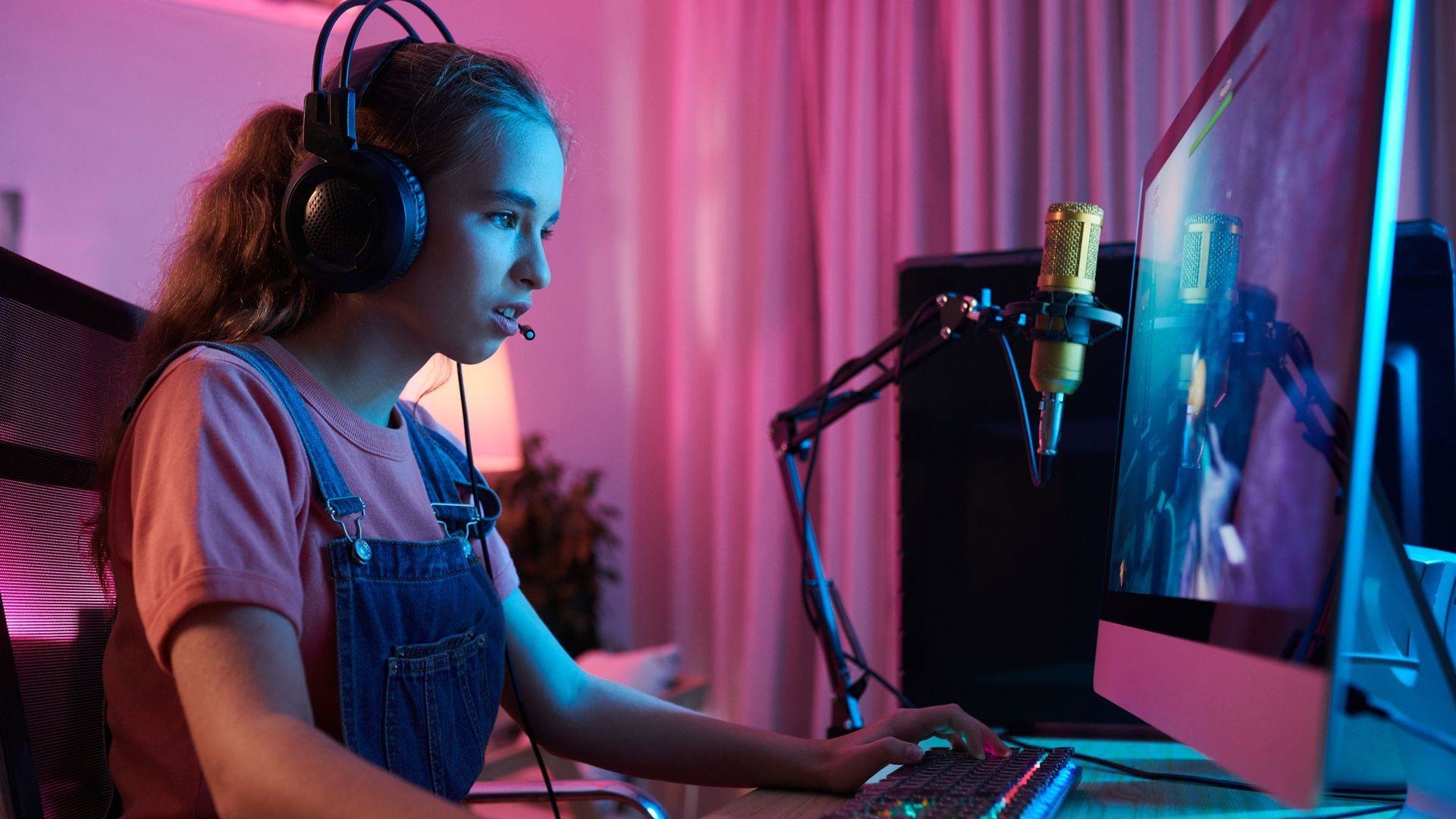
Australia’s Social Media Age Ban Focuses on Platforms, Not Gaming, in First-of-Its-Kind Law
The world-first under-16 social media prohibition targets defined ‘age-restricted’ services, leaving most online games outside its scope
Australia’s ground-breaking social media minimum age law, which took effect on December 10, 2025, bans people under sixteen from holding accounts on defined social media services but does not encompass most online gaming platforms.
The Online Safety Amendment (Social Media Minimum Age) Act 2024, passed by Parliament and championed by Prime Minister Anthony Albanese’s government, requires large social networks to take “reasonable steps” to prevent under-16s from accessing or creating accounts or face substantial fines.
The legislation was designed to mitigate potential harm to youth mental health and wellbeing by limiting exposure to social media features that are believed to contribute to anxiety and excessive screen time.
The law applies specifically to services classified as age-restricted social media platforms, a definition that excludes many gaming environments and non-social networks even if they are widely used by children.
:contentReference[oaicite:0]{index=0}
Under the new framework, platforms designated by the eSafety Commissioner as age-restricted — including Facebook, Instagram, TikTok, YouTube, Reddit, Snapchat, Threads and others — face significant compliance obligations.
Age-restricted platforms must implement measures such as age assurance and verification systems to identify and block under-sixteen users.
In contrast, most online games and gaming communities have not been listed as age-restricted social media platforms under legislative rules because their primary functions do not align with the statutory definition of social media services that emphasises open public interaction and networking.
As a result, popular gaming platforms such as Discord, Roblox, Steam, WhatsApp and others remain outside the social media ban, although regulators retain discretion to update the list over time as technologies and usage patterns evolve.
:contentReference[oaicite:1]{index=1}
Government officials and child safety advocates have noted that excluding gaming from the current ban reflects a legislative focus on social networking behaviours and their associated harms, rather than all forms of online interaction that young people engage in.
The law’s framers emphasise that the measure aims to protect children during a critical stage of development from features unique to social media platforms, such as algorithmic feeds and social pressures, while still encouraging parental involvement and fostering offline engagement.
Platforms within the scope of the law must demonstrate compliance through age-verification measures that respect privacy protections, and regulators will monitor implementation closely.
The exclusion of most gaming services from the ban underscores the complexity of regulating digital environments frequented by youth and highlights ongoing debates about how best to safeguard young users across diverse online spaces.
:contentReference[oaicite:2]{index=2}
The Online Safety Amendment (Social Media Minimum Age) Act 2024, passed by Parliament and championed by Prime Minister Anthony Albanese’s government, requires large social networks to take “reasonable steps” to prevent under-16s from accessing or creating accounts or face substantial fines.
The legislation was designed to mitigate potential harm to youth mental health and wellbeing by limiting exposure to social media features that are believed to contribute to anxiety and excessive screen time.
The law applies specifically to services classified as age-restricted social media platforms, a definition that excludes many gaming environments and non-social networks even if they are widely used by children.
:contentReference[oaicite:0]{index=0}
Under the new framework, platforms designated by the eSafety Commissioner as age-restricted — including Facebook, Instagram, TikTok, YouTube, Reddit, Snapchat, Threads and others — face significant compliance obligations.
Age-restricted platforms must implement measures such as age assurance and verification systems to identify and block under-sixteen users.
In contrast, most online games and gaming communities have not been listed as age-restricted social media platforms under legislative rules because their primary functions do not align with the statutory definition of social media services that emphasises open public interaction and networking.
As a result, popular gaming platforms such as Discord, Roblox, Steam, WhatsApp and others remain outside the social media ban, although regulators retain discretion to update the list over time as technologies and usage patterns evolve.
:contentReference[oaicite:1]{index=1}
Government officials and child safety advocates have noted that excluding gaming from the current ban reflects a legislative focus on social networking behaviours and their associated harms, rather than all forms of online interaction that young people engage in.
The law’s framers emphasise that the measure aims to protect children during a critical stage of development from features unique to social media platforms, such as algorithmic feeds and social pressures, while still encouraging parental involvement and fostering offline engagement.
Platforms within the scope of the law must demonstrate compliance through age-verification measures that respect privacy protections, and regulators will monitor implementation closely.
The exclusion of most gaming services from the ban underscores the complexity of regulating digital environments frequented by youth and highlights ongoing debates about how best to safeguard young users across diverse online spaces.
:contentReference[oaicite:2]{index=2}
AI Disclaimer: An advanced artificial intelligence (AI) system generated the content of this page on its own. This innovative technology conducts extensive research from a variety of reliable sources, performs rigorous fact-checking and verification, cleans up and balances biased or manipulated content, and presents a minimal factual summary that is just enough yet essential for you to function as an informed and educated citizen. Please keep in mind, however, that this system is an evolving technology, and as a result, the article may contain accidental inaccuracies or errors. We urge you to help us improve our site by reporting any inaccuracies you find using the "Contact Us" link at the bottom of this page. Your helpful feedback helps us improve our system and deliver more precise content. When you find an article of interest here, please look for the full and extensive coverage of this topic in traditional news sources, as they are written by professional journalists that we try to support, not replace. We appreciate your understanding and assistance.