Australia’s Social Media Ban Raises New Challenges for Art Institutions and Creative Communities
The world-first under-16 social media age restriction is reshaping outreach, youth engagement and digital artistic expression across Australia’s cultural sector
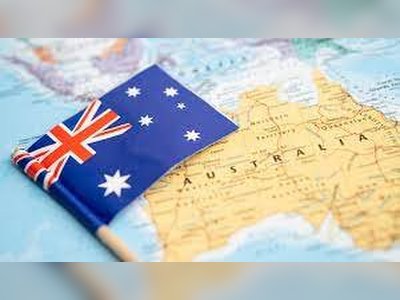
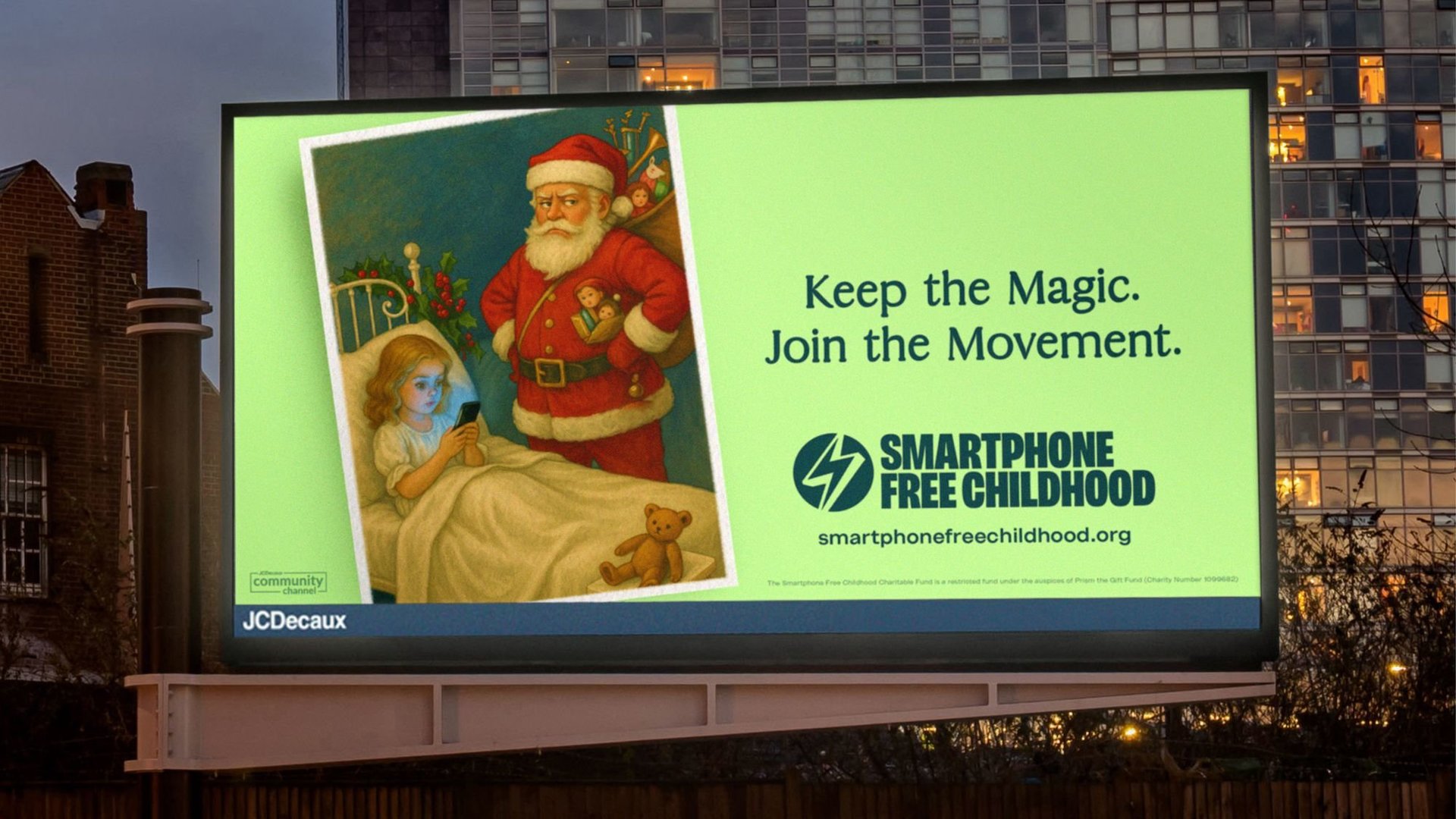
Australia’s sweeping social media age restriction — a world-first law prohibiting individuals under the age of sixteen from holding accounts on major platforms — is beginning to reverberate beyond youth welfare debates and into the country’s art institutions and creative communities.
The policy, which took effect in December, requires platforms including Facebook, Instagram, TikTok, YouTube, Snapchat, Reddit, X, Threads and Twitch to take “reasonable steps” to prevent access by under-sixteen users or face significant fines, part of the government’s effort to protect young people from online harms and screen-dependent behaviours.
This landmark regulatory shift is prompting cultural organisations to reassess their digital engagement strategies.
For galleries, museums and festivals that have come to rely on social media as a catalyst for audience growth and artistic promotion, the ban threatens to curtail one of their most visible channels for reaching young Australians.
Emerging artists under sixteen who previously used platforms to build audiences, share work and cultivate communities now face a sudden blackout from mainstream digital networks, raising concerns that their creative voices could become marginalized.
The loss of instant, youthful interaction and peer-to-peer exposure — elements integral to contemporary digital culture — could diminish opportunities for discovery and disrupt established pipelines that feed broader artistic ecosystems.
Art institutions are also contending with shifts in how they mobilise audiences.
Social media has been critical in driving attendance for exhibitions, participatory programs, festivals and youth-focused initiatives; curators and outreach teams now must innovate beyond feeds and hashtags to maintain connection with younger demographics.
Some venues are exploring alternative digital platforms that fall outside the age restrictions or investing in age-verified community spaces, while others are expanding in-person programs and partnerships with schools and youth networks.
These responses underline a strategic pivot toward diversified engagement that compensates for diminished social media reach.
The policy has also generated debate within the cultural sector about equity and access.
Human rights advocates and some artists have cautioned that a blanket age restriction could unintentionally restrict freedom of expression and participation for young creatives, particularly those from marginalised communities who may lack access to alternative platforms or offline resources.
This has prompted calls for art institutions to develop inclusive practices that support youth voices through workshops, mentorship networks and age-appropriate digital spaces that do not rely on mainstream social networks.
While Australia’s government frames the social media ban as a protective measure for youth well-being, its broader implications are unfolding in real time across cultural sectors.
Many arts organisations are now at a crossroads: adapting their engagement models to preserve vibrant creative ecosystems, while also navigating an era of tighter digital governance that may redefine how artists and institutions communicate with future generations.
The policy, which took effect in December, requires platforms including Facebook, Instagram, TikTok, YouTube, Snapchat, Reddit, X, Threads and Twitch to take “reasonable steps” to prevent access by under-sixteen users or face significant fines, part of the government’s effort to protect young people from online harms and screen-dependent behaviours.
This landmark regulatory shift is prompting cultural organisations to reassess their digital engagement strategies.
For galleries, museums and festivals that have come to rely on social media as a catalyst for audience growth and artistic promotion, the ban threatens to curtail one of their most visible channels for reaching young Australians.
Emerging artists under sixteen who previously used platforms to build audiences, share work and cultivate communities now face a sudden blackout from mainstream digital networks, raising concerns that their creative voices could become marginalized.
The loss of instant, youthful interaction and peer-to-peer exposure — elements integral to contemporary digital culture — could diminish opportunities for discovery and disrupt established pipelines that feed broader artistic ecosystems.
Art institutions are also contending with shifts in how they mobilise audiences.
Social media has been critical in driving attendance for exhibitions, participatory programs, festivals and youth-focused initiatives; curators and outreach teams now must innovate beyond feeds and hashtags to maintain connection with younger demographics.
Some venues are exploring alternative digital platforms that fall outside the age restrictions or investing in age-verified community spaces, while others are expanding in-person programs and partnerships with schools and youth networks.
These responses underline a strategic pivot toward diversified engagement that compensates for diminished social media reach.
The policy has also generated debate within the cultural sector about equity and access.
Human rights advocates and some artists have cautioned that a blanket age restriction could unintentionally restrict freedom of expression and participation for young creatives, particularly those from marginalised communities who may lack access to alternative platforms or offline resources.
This has prompted calls for art institutions to develop inclusive practices that support youth voices through workshops, mentorship networks and age-appropriate digital spaces that do not rely on mainstream social networks.
While Australia’s government frames the social media ban as a protective measure for youth well-being, its broader implications are unfolding in real time across cultural sectors.
Many arts organisations are now at a crossroads: adapting their engagement models to preserve vibrant creative ecosystems, while also navigating an era of tighter digital governance that may redefine how artists and institutions communicate with future generations.
AI Disclaimer: An advanced artificial intelligence (AI) system generated the content of this page on its own. This innovative technology conducts extensive research from a variety of reliable sources, performs rigorous fact-checking and verification, cleans up and balances biased or manipulated content, and presents a minimal factual summary that is just enough yet essential for you to function as an informed and educated citizen. Please keep in mind, however, that this system is an evolving technology, and as a result, the article may contain accidental inaccuracies or errors. We urge you to help us improve our site by reporting any inaccuracies you find using the "Contact Us" link at the bottom of this page. Your helpful feedback helps us improve our system and deliver more precise content. When you find an article of interest here, please look for the full and extensive coverage of this topic in traditional news sources, as they are written by professional journalists that we try to support, not replace. We appreciate your understanding and assistance.