CSL Seqirus Unveils $1 Billion Melbourne Plant for Flu Vaccines and Antivenom — But Its Future Remains Uncertain
New facility offers cell-based flu shots, antivenoms and Q-fever vaccine as Australia bolsters domestic medical manufacturing
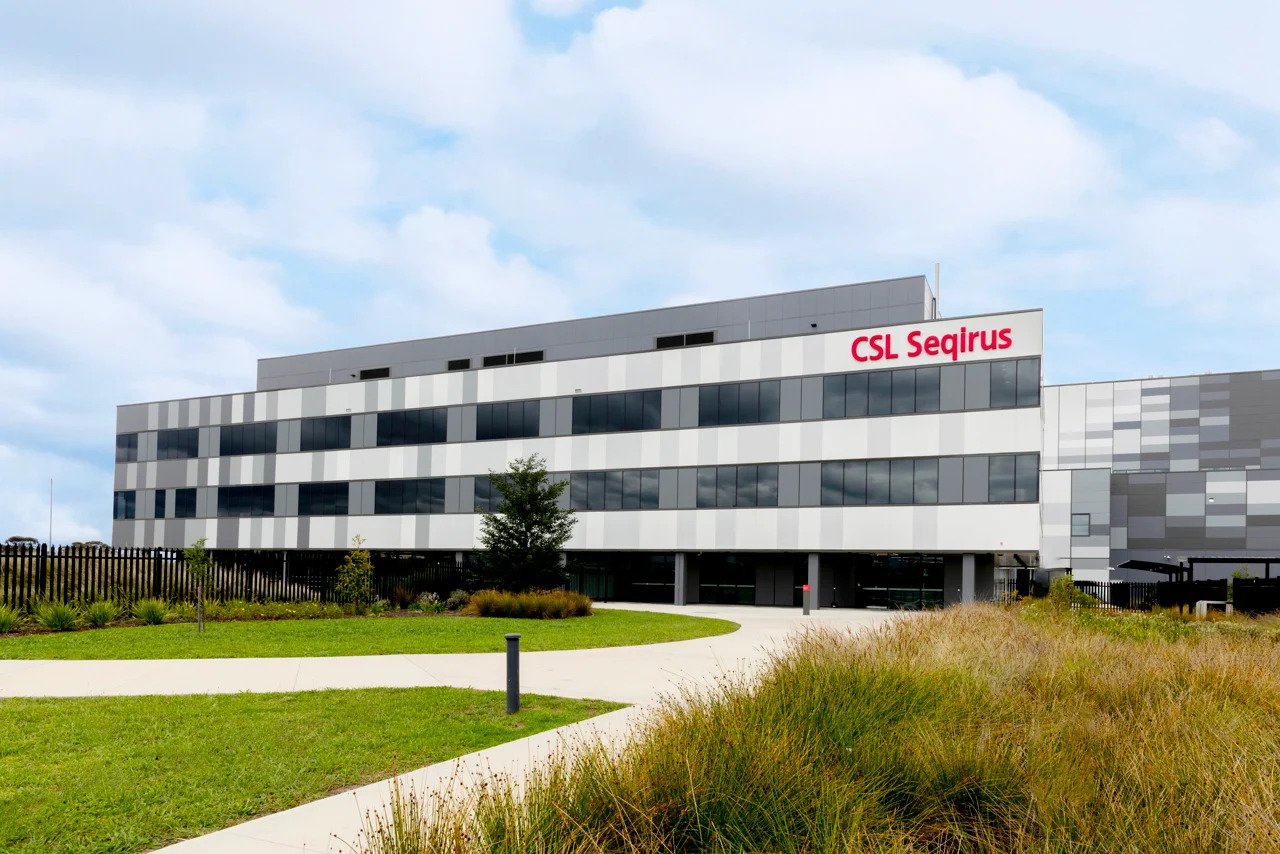
Australia’s biotech giant CSL Seqirus has officially opened a state-of-the-art manufacturing facility in Melbourne — a A$1 billion investment aimed at producing next-generation cell-based influenza vaccines, antivenoms and the country’s only human Q-fever vaccine.
The plant, unveiled on December 2, 2025, marks a sharp departure from the company’s traditional egg-based production site in Parkville, ending an 80-year legacy.
:contentReference[oaicite:1]{index=1}
Spanning some 28,400 square metres near Tullamarine airport, the new facility is equipped to meet seasonal flu demands for Australia and export markets across Asia, Europe, the Middle East and the Americas.
CSL says the site will support an annual supply-chain contribution of roughly A$300 million to the Australian economy.
:contentReference[oaicite:2]{index=2}
By leveraging cell-based vaccine technology — considered faster and more scalable than traditional methods — the plant positions Australia among only three countries worldwide capable of full end-to-end cell-based influenza vaccine production.
It will also manufacture all of the nation’s antivenoms for venomous snakes, spiders and marine creatures, reinforcing a long-standing domestic public-health commitment.
:contentReference[oaicite:3]{index=3}
CSL’s Chief Executive described the investment as both a public-health milestone and a boost for Australian biotech manufacturing.
Government officials echoed that, saying the plant strengthens national pandemic preparedness and reduces reliance on overseas supply chains.
:contentReference[oaicite:4]{index=4}
Yet the future of CSL Seqirus remains uncertain.
Earlier this year, the company paused plans to sell the vaccine business, raising questions about long-term strategy and financial viability.
Some analysts and industry observers say the new facility underscores CSL’s renewed commitment — but they note that global demand for flu vaccines and antivenoms can fluctuate significantly, leaving financial outcomes hard to predict.
:contentReference[oaicite:5]{index=5}
For now, the Melbourne plant stands as a symbol of Australia’s ambition to secure sovereign control over critical medicines, and a tangible step toward stronger pandemic resilience and global health contribution.
The plant, unveiled on December 2, 2025, marks a sharp departure from the company’s traditional egg-based production site in Parkville, ending an 80-year legacy.
:contentReference[oaicite:1]{index=1}
Spanning some 28,400 square metres near Tullamarine airport, the new facility is equipped to meet seasonal flu demands for Australia and export markets across Asia, Europe, the Middle East and the Americas.
CSL says the site will support an annual supply-chain contribution of roughly A$300 million to the Australian economy.
:contentReference[oaicite:2]{index=2}
By leveraging cell-based vaccine technology — considered faster and more scalable than traditional methods — the plant positions Australia among only three countries worldwide capable of full end-to-end cell-based influenza vaccine production.
It will also manufacture all of the nation’s antivenoms for venomous snakes, spiders and marine creatures, reinforcing a long-standing domestic public-health commitment.
:contentReference[oaicite:3]{index=3}
CSL’s Chief Executive described the investment as both a public-health milestone and a boost for Australian biotech manufacturing.
Government officials echoed that, saying the plant strengthens national pandemic preparedness and reduces reliance on overseas supply chains.
:contentReference[oaicite:4]{index=4}
Yet the future of CSL Seqirus remains uncertain.
Earlier this year, the company paused plans to sell the vaccine business, raising questions about long-term strategy and financial viability.
Some analysts and industry observers say the new facility underscores CSL’s renewed commitment — but they note that global demand for flu vaccines and antivenoms can fluctuate significantly, leaving financial outcomes hard to predict.
:contentReference[oaicite:5]{index=5}
For now, the Melbourne plant stands as a symbol of Australia’s ambition to secure sovereign control over critical medicines, and a tangible step toward stronger pandemic resilience and global health contribution.
AI Disclaimer: An advanced artificial intelligence (AI) system generated the content of this page on its own. This innovative technology conducts extensive research from a variety of reliable sources, performs rigorous fact-checking and verification, cleans up and balances biased or manipulated content, and presents a minimal factual summary that is just enough yet essential for you to function as an informed and educated citizen. Please keep in mind, however, that this system is an evolving technology, and as a result, the article may contain accidental inaccuracies or errors. We urge you to help us improve our site by reporting any inaccuracies you find using the "Contact Us" link at the bottom of this page. Your helpful feedback helps us improve our system and deliver more precise content. When you find an article of interest here, please look for the full and extensive coverage of this topic in traditional news sources, as they are written by professional journalists that we try to support, not replace. We appreciate your understanding and assistance.