Global Shock as U.S. Military Strike in Venezuela Captures President Maduro and Tests International Order
The United States’ unprecedented military operation in Venezuela, leading to Nicolás Maduro’s capture, prompts debate over sovereignty, legal norms and allied responses including in Australia
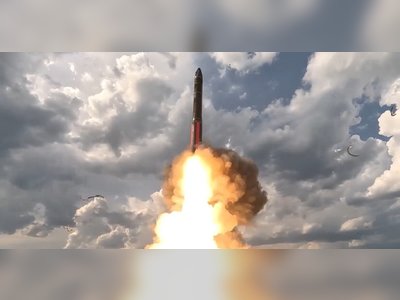
In the early hours of Saturday, the United States launched “Operation Absolute Resolve,” a large-scale military strike against Venezuela that resulted in the capture of President Nicolás Maduro and his wife, Cilia Flores, and their transfer to the United States to face federal charges.
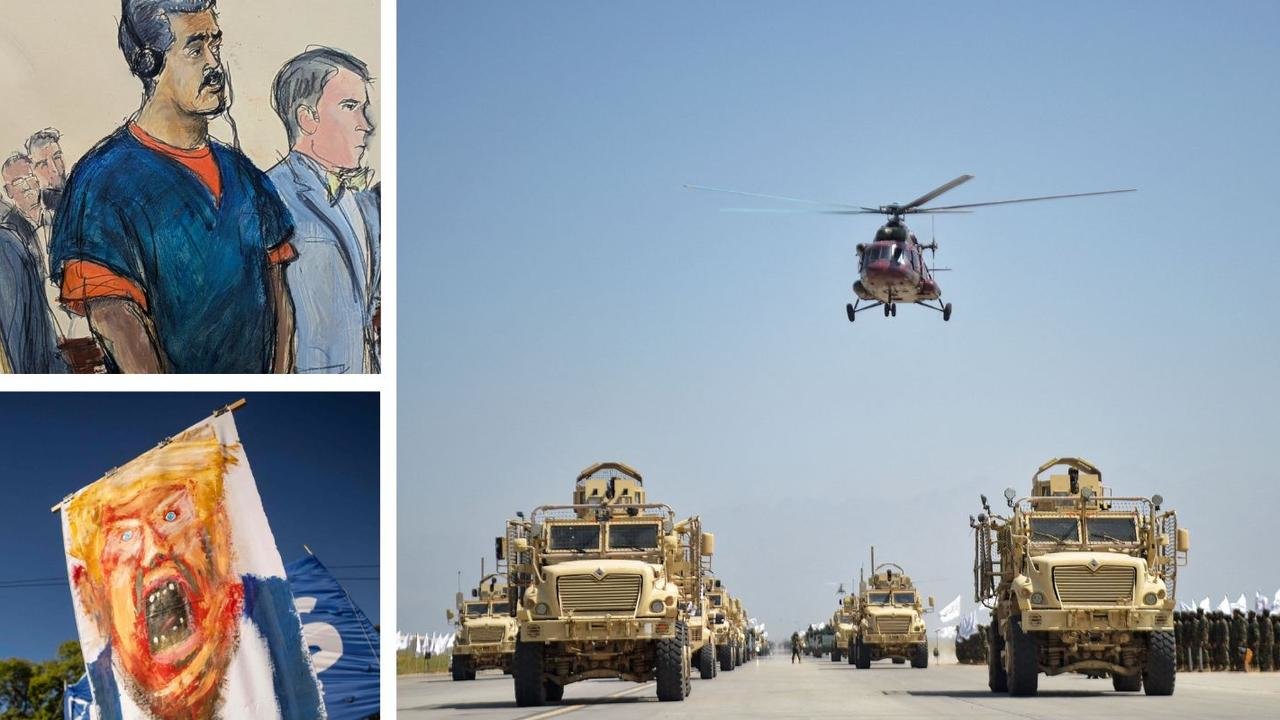
The extraordinary action, directed by U.S. President Donald Trump, involved airstrikes across northern Venezuela and a precision special forces operation in Caracas that saw Maduro and Flores removed from power and flown to New York, where they later pleaded not guilty to narcoterrorism and cocaine trafficking charges in federal court.
Venezuelan Vice President Delcy Rodríguez was sworn in as acting president amid turmoil as the country’s leadership structure shifted dramatically.
Venezuela reported casualties among its own military and allied Cuban personnel during the operation.
This marked a dramatic escalation in U.S.-Venezuelan hostilities and a first such capture of a Latin American head of state by U.S. forces in decades.
The U.S. government framed the operation as a critical move to dismantle an illicit drug network and uphold long-standing indictments against Maduro, asserting that he led a regime rooted in narco-terrorism.
President Trump said the United States would temporarily administer Venezuela to facilitate a “safe, proper and judicious transition” to new governance.
The operation followed months of rising tensions, including repeated U.S. accusations that Maduro’s government was corrupt and illegitimate.
International reaction was swift and polarized.
Several nations condemned the U.S. strikes as a violation of Venezuela’s sovereignty and international law, while others, including Argentina’s President Javier Milei, welcomed the action.
At the United Nations, some countries denounced the military action as a “crime of aggression,” although the U.S. defended it as legitimate law enforcement to execute indictments.
Russia, China, Cuba, Brazil, Mexico and others voiced strong criticism and called for Maduro’s release.
Across the Pacific, the events reverberated in Australia, where Venezuelan-Australian communities reacted with complex emotions about developments in their homeland and Australian authorities monitored the situation closely.
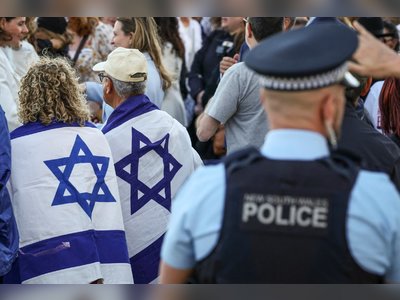
Demonstrations erupted in major Australian cities, including Sydney, Brisbane and Melbourne, with “Hands off Venezuela” rallies protesting U.S. intervention.
Some of these assemblies were declared unauthorised by New South Wales Police under expanded public order powers introduced after a terror attack in Bondi Beach, resulting in arrests and heightened law enforcement presence.
The U.S. operation has reignited global debate over great-power use of force, the durability of international legal norms, and the role of unilateral military action in addressing alleged criminality and threats to regional stability.
How Venezuela navigates governance, sovereignty and its international relations in the wake of this unprecedented intervention remains a subject of intense diplomatic focus.
The extraordinary action, directed by U.S. President Donald Trump, involved airstrikes across northern Venezuela and a precision special forces operation in Caracas that saw Maduro and Flores removed from power and flown to New York, where they later pleaded not guilty to narcoterrorism and cocaine trafficking charges in federal court.
Venezuelan Vice President Delcy Rodríguez was sworn in as acting president amid turmoil as the country’s leadership structure shifted dramatically.
Venezuela reported casualties among its own military and allied Cuban personnel during the operation.
This marked a dramatic escalation in U.S.-Venezuelan hostilities and a first such capture of a Latin American head of state by U.S. forces in decades.
The U.S. government framed the operation as a critical move to dismantle an illicit drug network and uphold long-standing indictments against Maduro, asserting that he led a regime rooted in narco-terrorism.
President Trump said the United States would temporarily administer Venezuela to facilitate a “safe, proper and judicious transition” to new governance.
The operation followed months of rising tensions, including repeated U.S. accusations that Maduro’s government was corrupt and illegitimate.
International reaction was swift and polarized.
Several nations condemned the U.S. strikes as a violation of Venezuela’s sovereignty and international law, while others, including Argentina’s President Javier Milei, welcomed the action.
At the United Nations, some countries denounced the military action as a “crime of aggression,” although the U.S. defended it as legitimate law enforcement to execute indictments.
Russia, China, Cuba, Brazil, Mexico and others voiced strong criticism and called for Maduro’s release.
Across the Pacific, the events reverberated in Australia, where Venezuelan-Australian communities reacted with complex emotions about developments in their homeland and Australian authorities monitored the situation closely.
Demonstrations erupted in major Australian cities, including Sydney, Brisbane and Melbourne, with “Hands off Venezuela” rallies protesting U.S. intervention.
Some of these assemblies were declared unauthorised by New South Wales Police under expanded public order powers introduced after a terror attack in Bondi Beach, resulting in arrests and heightened law enforcement presence.
The U.S. operation has reignited global debate over great-power use of force, the durability of international legal norms, and the role of unilateral military action in addressing alleged criminality and threats to regional stability.
How Venezuela navigates governance, sovereignty and its international relations in the wake of this unprecedented intervention remains a subject of intense diplomatic focus.
AI Disclaimer: An advanced artificial intelligence (AI) system generated the content of this page on its own. This innovative technology conducts extensive research from a variety of reliable sources, performs rigorous fact-checking and verification, cleans up and balances biased or manipulated content, and presents a minimal factual summary that is just enough yet essential for you to function as an informed and educated citizen. Please keep in mind, however, that this system is an evolving technology, and as a result, the article may contain accidental inaccuracies or errors. We urge you to help us improve our site by reporting any inaccuracies you find using the "Contact Us" link at the bottom of this page. Your helpful feedback helps us improve our system and deliver more precise content. When you find an article of interest here, please look for the full and extensive coverage of this topic in traditional news sources, as they are written by professional journalists that we try to support, not replace. We appreciate your understanding and assistance.